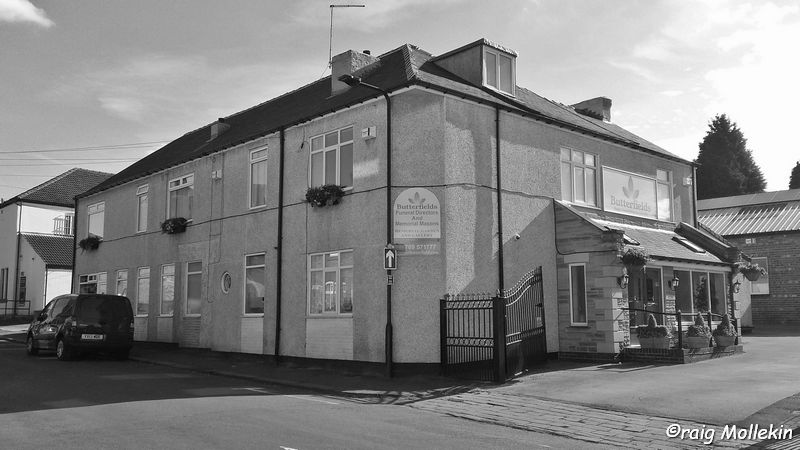
Butterfields, Swinton

Butterfields, Swinton

Butterfields, Swinton

This business can be traced back to 1874 and was started by John Butterfield who was born in 1849 and set off in the wheel and wagon works trade. To supplement his income, John began making coffins etc. As a result of circumstances resulting from World War One, the business was left to John’s son, Charles Thompson Butterfield, to run. It is in this era that the business began to concentrate on Undertaking as its core business. The business is currently based on Wood Street and has connections to this site dating back to the 19th Century. The business is still family owned and is in its fifth generation.
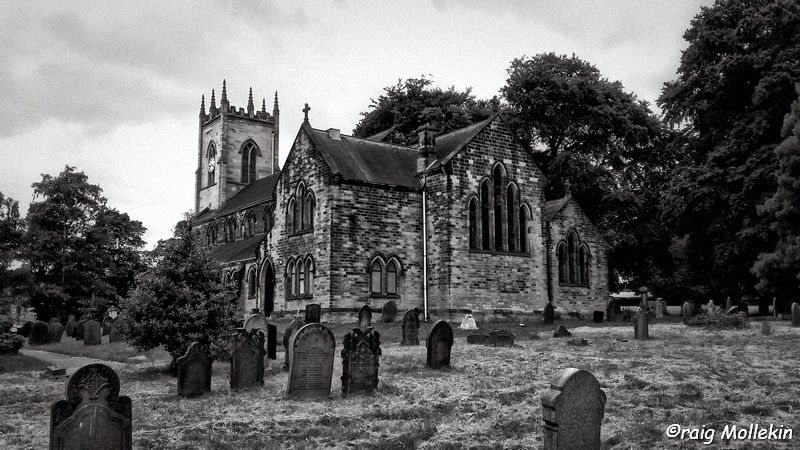
Saint Margaret’s Church, Swinton

Saint Margaret's Church, Swinton

Saint Margaret’s Church, Swinton

Saint Margaret’s Church was designed by Mr. Pritchard of York at a cost of around £6,000. Earl Fitzwilliam of Wentworth paid for most of this cost. Saint Margarets’ and the adjoining Churchyard were consecrated on 15th June 1817. Sadly, in 1897, there was a devastating fire in the Church – the tower being the only feature to be saved. The rest of the Church was subsequently rebuilt in a larger form which reopened in 1898.

Creighton Wood, Swinton

Lychgate, Swinton

Creighton Wood, Swinton

In 1948, Swinton Council purchased 22 acres of woodland stretching from Warren Vale Road to Piccadilly Road from Earl Fitzwilliam. This wood contains oaks and beeches planted late in the 18th Century. The wood was made in honour of the Creighton family due to their public service to Swinton and long association with the wood – the Creighton family were head gardeners living in the wood. A lychgate was erected in the 1940s and was gifted by Miss E.K.L. Harrop in memory of the men who served in the wars.

Creighton Wood was originally formed by the creation of a number of different plantations, the names of which have now fallen into disuse, but included, Chain Bar Plantation, Long Plantation, Piccadilly Wood, Stake Hole Plantation and Swinton Nursery.

Carnegie Library, Swinton

Carnegie Library, Swinton

Carnegie Library, Swinton

A grant of £3,000 was made by the Scottish born philanthropist, Andrew Carnegie, which resulted in this library opening in June 1906. As well as being a library, social functions were hosted upstairs. A new library was opened in the 1970s and the Carnegie library was eventually converted into flats.

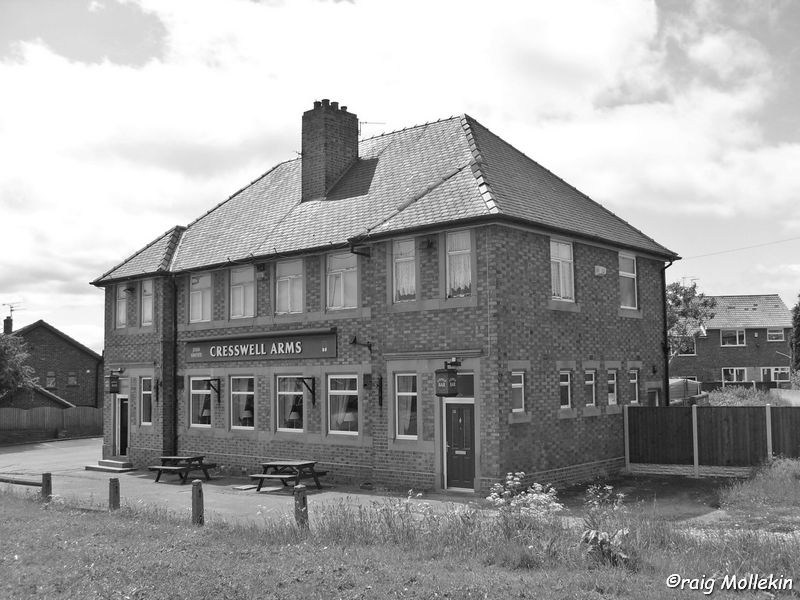
Cresswell Arms, Swinton

Cresswell Arms, Swinton

Cresswell Arms, Swinton

The current structure was built in the 1940s having replaced at least one earlier building.

Landlords have included:-

  • Jonah Jones – 1890s
  • Fred Walker – Early 1900s
  • Joseph Cooper – Early 1900s
  • Mr. Jarvis – 1950s
  • John Franney – 1970s
  • Arthur & Pat Jones – 1970s to 1980s?
  • Karen & Malc Wilkinson – 1990s
  • Ernie & Rita Law – 1995 to 2007
  • Sharon & Trev Mace – Since 2007

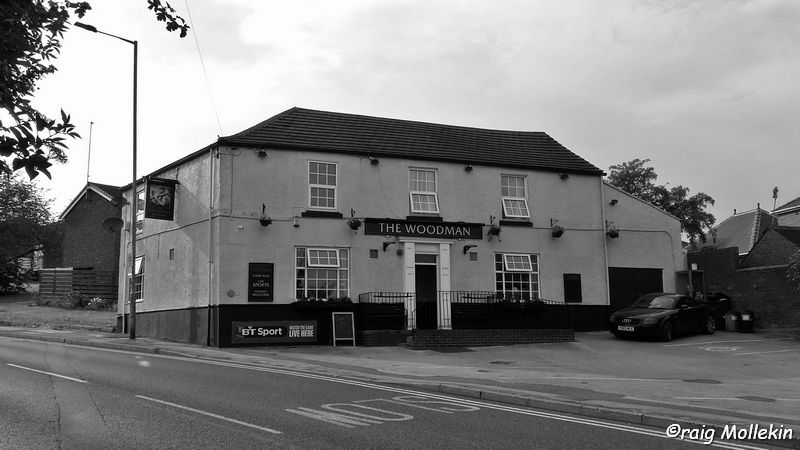
Woodman Inn, Swinton

Woodman, Swinton

Woodman Inn, Swinton

The Woodman Inn is a 19th century building and originally had terraced housing attached.

Landlords have included:-

  • Bill & Florence Western – 1950s to 1970s?
  • Anthea & Gordon Walker – 1970s?
  • Rita & Tom Prescott – 1980s?*

*Tom sadly suffered a heart attack and passed away in the tap room of the pub, circa 1985.

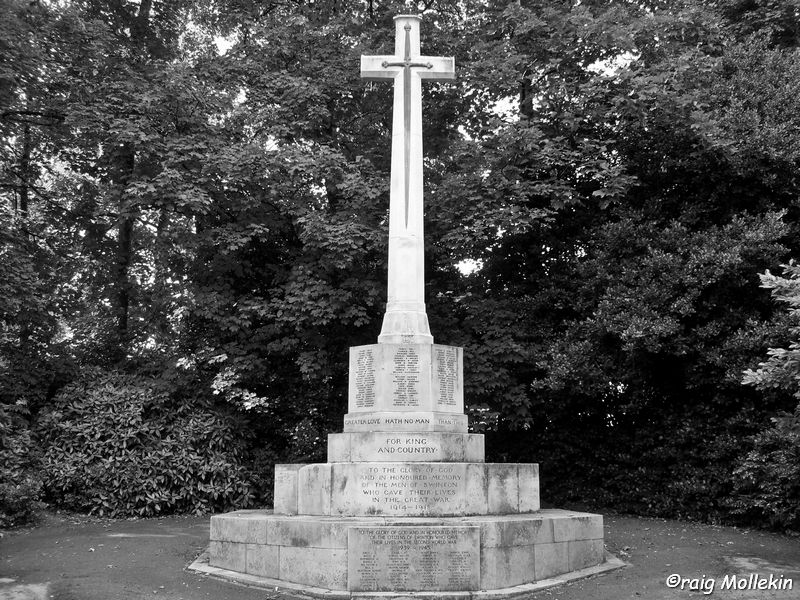
War Memorial, Swinton

War Memorial, Swinton - 23.07.08 (8)

Swinton’s War Memorial

Swinton’s war memorial was constructed in 1921 and was designed by Sir Reginald Bloomfield.

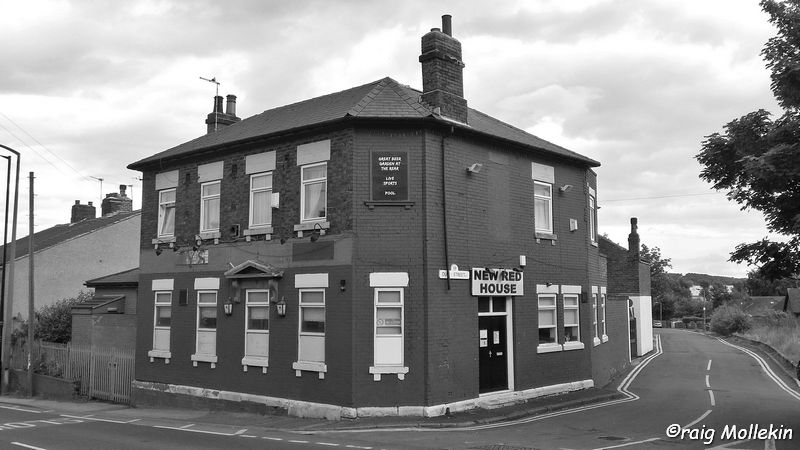
Red House, Swinton

Red House, Swinton

Red House, Swinton

This public house was named as such due to it being a regular for the nearby glass blowers. In the 2000s, its name changed to Bridge Bar and closed for business in early 2012. It reopened in 2013 under the name of Nautical Decades. In 2016, its name changed again, to, New Red House.

Landlords have included:-

  • Gertrude & James Phillips – Circa 1925 to circa 1933
  • Don Wall – 1960s?
  • Joan Stead – 1970s?
  • ‘Conway’ – 1990s?
  • Brett Jones – 2000s?

According to Donald Hancock, Joan ran the pub for 21 years and the clock in the bar was 21 minutes fast (1 minute for each year that she was in the pub) before selling it back to the brewery who then modernised it.

Bethesda Methodist Church, Rotherham

bethesda-methodist-church-tenter-street-rotherham-10-08-08

Bethesda Church Methodist Church

The Bethesda Methodist Church and Sunday School, on Tenter Street, Rotherham, opened on Thursday 18th October 1928. The Architect was Mr. J. Amory Teathes of Sheffield and the contractors were Messrs. John Esheby and Son, of Spring Street, Sheffield.

For the fifty previous years, the United Methodists of Thornhill and district met in an inadequate building at the back of Hope Street which originally belonged to the Wesleyan reformers before being purchased by the Methodist New Connexion. It closed in 2001 when it merged with Eastwood Mission Church.

At some point between 2004 and 2008, the Church was purchased and became the Camelot Play Castle which is a children’s soft play area. The spire was subsequently removed with bricks being aligned around the top of the tower to give the illusion of it being a castle keep with battlements.