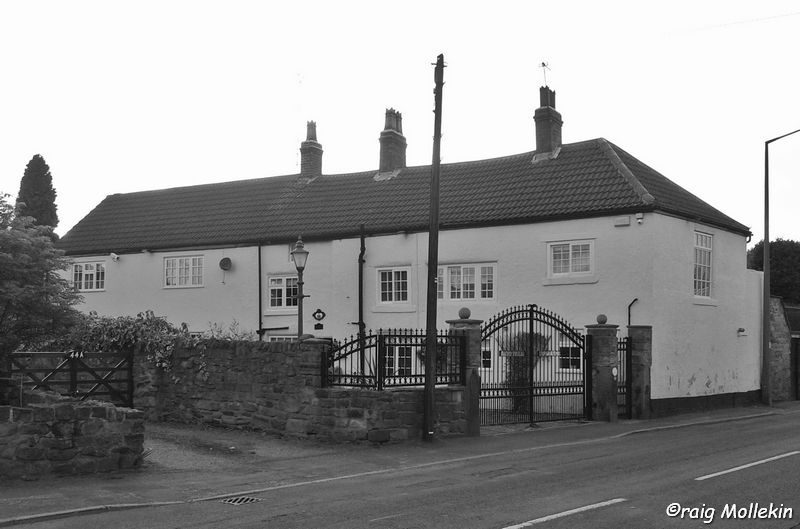
Queens Foundry, Swinton

Queens Foundry, Swinton

Queens Foundry, Swinton

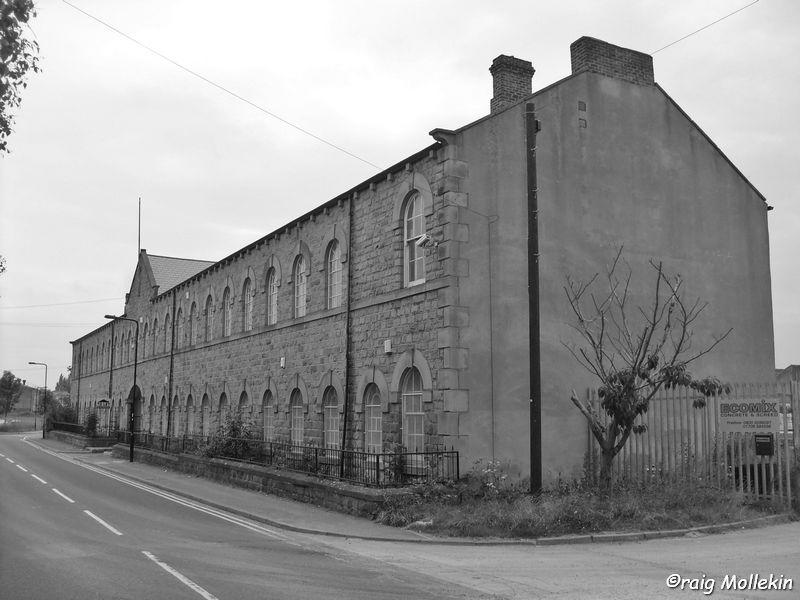
Following the great Sheffield flood of 1864, Thomas and Charles Hattersley relocated their iron foundry at the end of Queen Street in 1864 and called the premises, Queens Foundry. These premises were demolished in 1936. The business was moved to much larger premises in 1869. These works provided employment for hundreds of Swinton people and produced stoves and grates. At some point in the 20th century, the works were acquired by the Stelrad company who specialise in the production of domestic radiators. In the 1990s, the building was divided into small units in order to cater for small businesses.
24 Bridge Street, Swinton

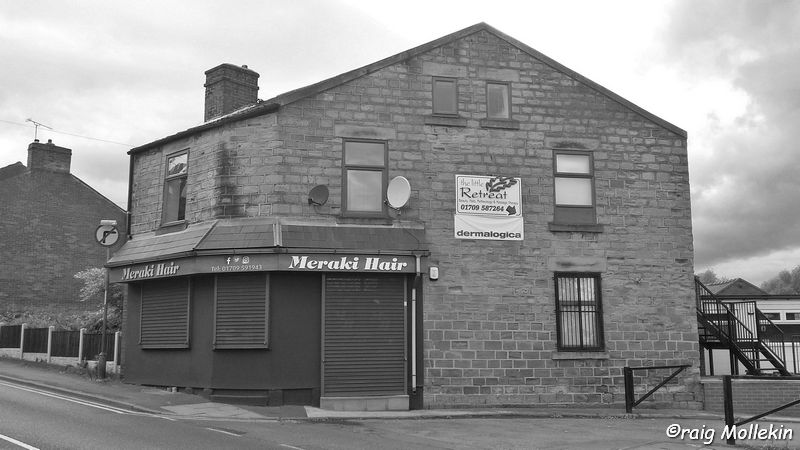
Meraki Hair, Bridge Street, Swinton - 30.05.17

24 Bridge Street, Swinton

24 Bridge Street is currently the location of ‘Meraki Hair’. In earlier years it had been occupied by Harold Lowe and at the back was a slaughterhouse. Before or after Harold Lowe, it was a Chemist’s shop. Later, it became a motorbike shop belonging to Peter Cresswell. Pete was fond of dogs and even owned a black Labrador that would suck a dummy outside of the shop on the pavement. When Pete died in 1989, many people attended his funeral on motorbikes. Pete’s wife, Margaret, kept the shop open for a few more years. Until last year, the building was occupied by ‘Barrons Hair Salon’.

The General Electric Company, Swinton

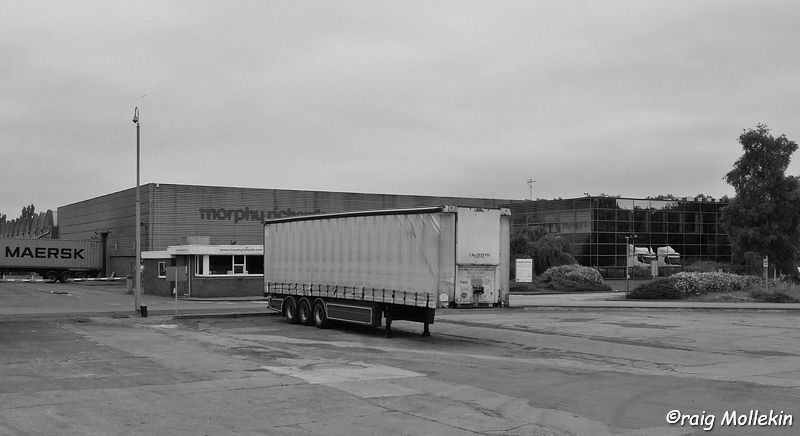
Morphy Richards, Talbot Road, Swinton - 20.06.17

Morphy Richards, Swinton

The presence of this company in Swinton began at the end of World War Two, on land off Talbot Road. The Birmingham Cooker Works of the General Electric Company (G.E.C.) acquired a former munitions factory and at its peak, it occupied some 24 acres, and employed 1200 people, exclusively producing electric cookers. The company was later acquired by Morphy Richards and is still in operation today.

Mad Ron, Swinton

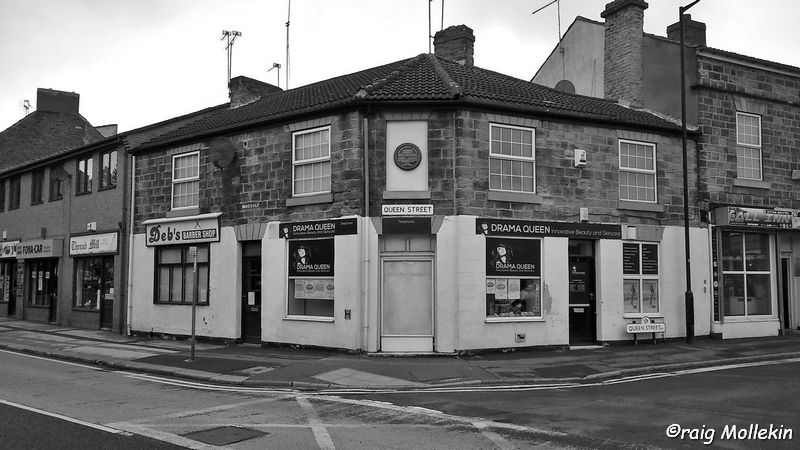
Church Street, Queen Street & Station Street Junction - 13.06.15 (2)

Queen Street Junction, Swinton

2 Church Street is currently occupied by ‘Deb’s Barber Shop’. Previously, a very well known Swinton barber had traded from there who was known as ‘Mad Ron’. Ron was quite a character who anybody having had their hair cut by him knows. Before Ron, there was another eccentric, Scottish, barber trading from the same premises, called Joe Alexander, who lived on Queen Street and would sometimes make cat-like noises whilst cutting hair. Mr. Alexander’s shop was once robbed but the Police caught the culprits on the top deck of a bus on Racecourse Road.

The Picture House, Swinton


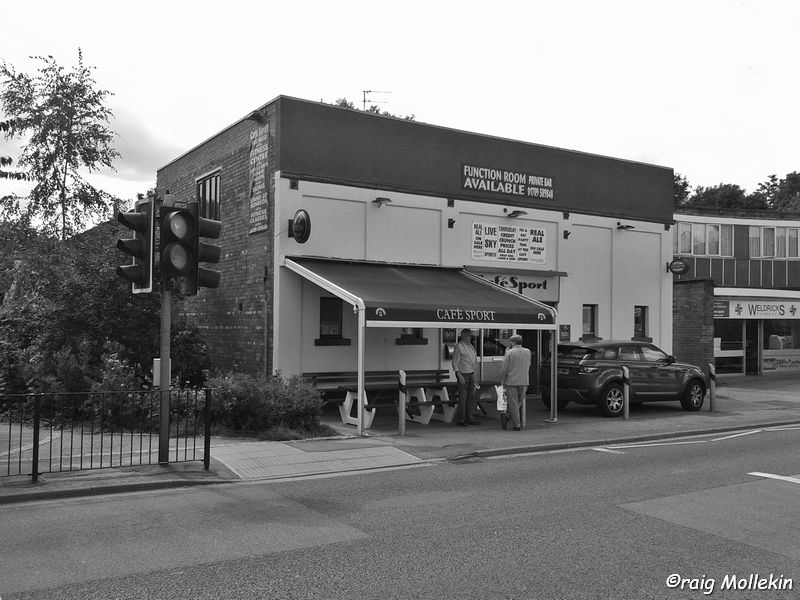
Cafe Sport, Swinton

Cafe Sport, Swinton

This cinema, built in 1929, could seat 1100 people and was opened in 1929 with ‘Battle of the Sexes’ after being built by Wade & Sons of Wath. In 1961, bingo began to played here on up to three days per week. It finally closed as a cinema in the 1970s but reopened as a skate boarding venue, then became Swinton Squash Club before finally being converted into a health gym with a bar, called, Cafe Sport.

Miners Arms, Swinton

Fitzwilliam Street, Swinton - 23.11.08 (10)

Fitzwilliam Street, Swinton

This public house was located at 87 Fitzwilliam Street and on the 1901 Census was occupied by Joseph Purcell and his family.

Greno House, Swinton

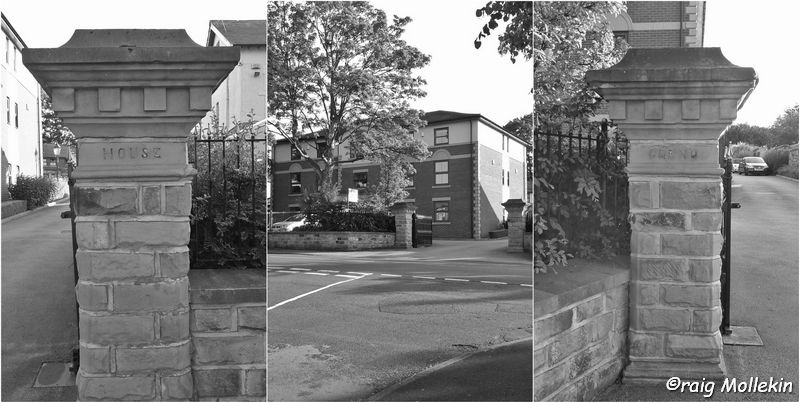
Location of Greno House, Swinton - 06.07.13

Location of Greno House

In the 1870s, Thomas Hattersley (one of the founders of the Queens Foundry on White Lee Road) arranged for Greno House to be built on Fitzwilliam Street. Greno House was still occupied by the Hattersley family as late as the 1950s. Circa 2000, Greno House was demolished to make way for a new block of apartments.

Cliffield House, Swinton

Cliffield House, Swinton

Cliffield House, Swinton

This house is located on Station Street. It was converted into a residential home for the elderly a number of years ago. Recently, the house was bought by a different company and renamed to Swinton Grange.

In 1891, Cliffield House was the home of Isaac Widdop who was an Iron Works Manager.

Perhaps the most well-known person to reside in this house, was Doctor Campbell, who lived until his death in the 1980s.

Mirfield Cottage, Swinton

Mirfield Cottage, Swinton

Mirfield Cottage, Swinton

This is a 18th-century cottage located on Fitzwilliam Street and is believed to be the oldest building in Swinton still standing.

Brookfield House, Swinton

This house was located on Fitzwilliam Street and on the 1891 Census was occupied by Charles Hawley and his family.