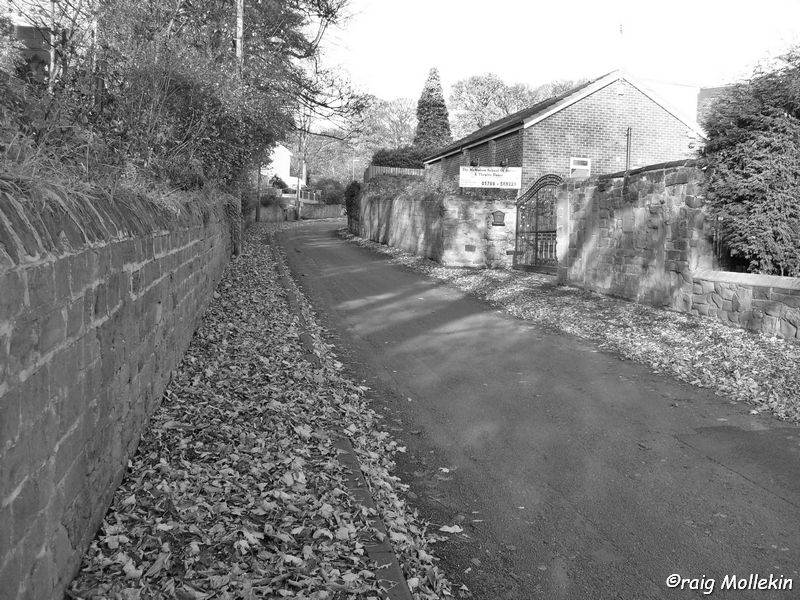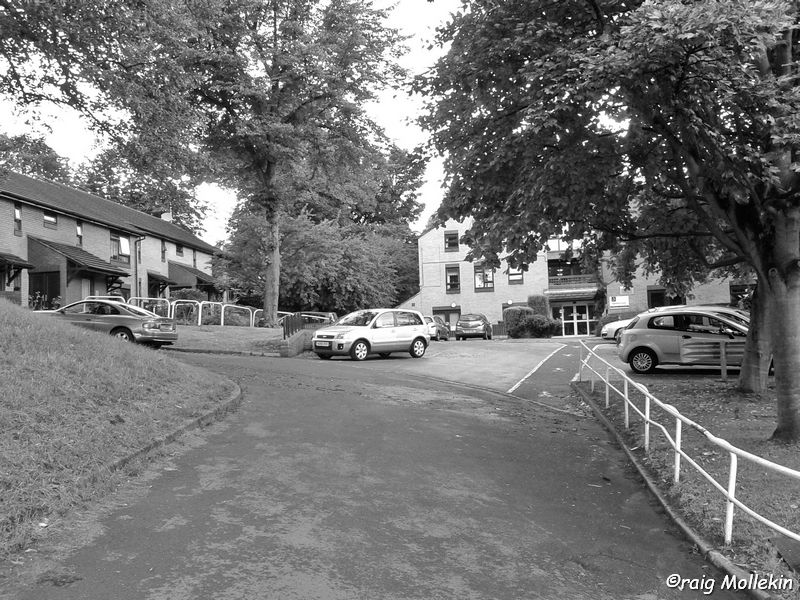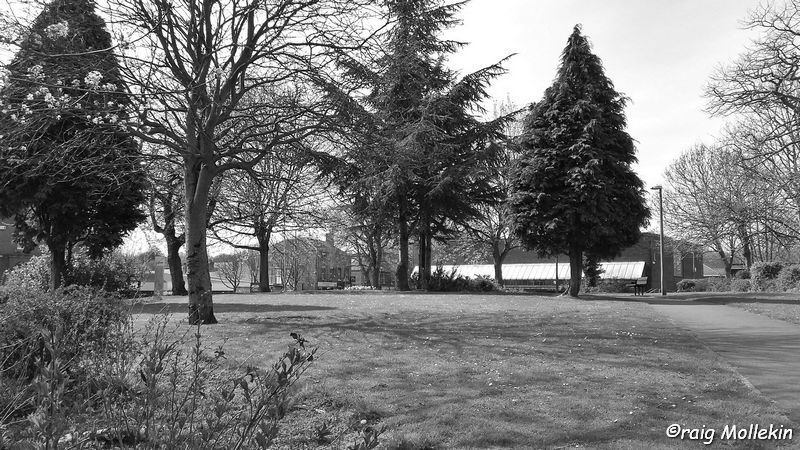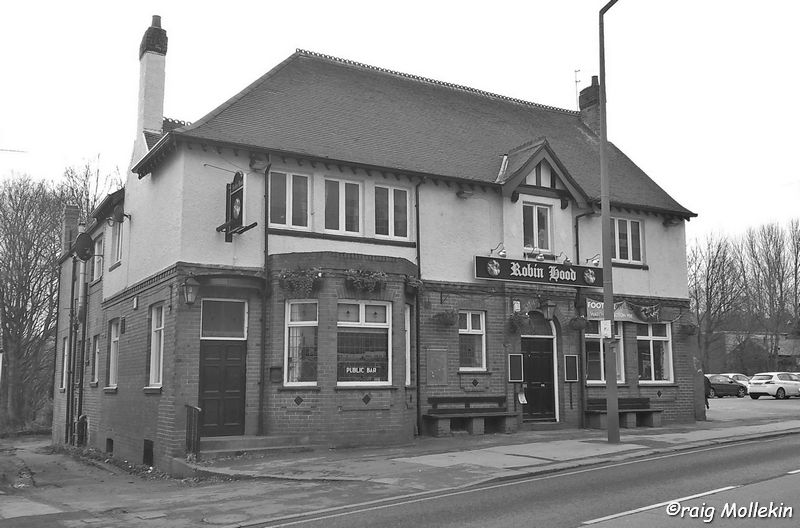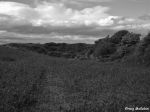
Dale Brown Social Club, Swinton

Dale Brown Social Club, Swinton (site of) - 21.07.13

Site on the Dale Brown Social Club, Swinton

This club was connected to the Dale and Brown glass works that was located nearby. This club closed 1995/1996 and the snooker tables were sold to Bowbroom W.M.C. The club buildings have since been demolished. Football is still played on the sports ground which was connected to the club.

Swinton Common Colliery

Swinton Common Colliery (site of) - 12.05.11 (33)

Swinton Common Colliery Shaft Marker

Swinton Common Colliery (site of) - 12.05.11 (12)

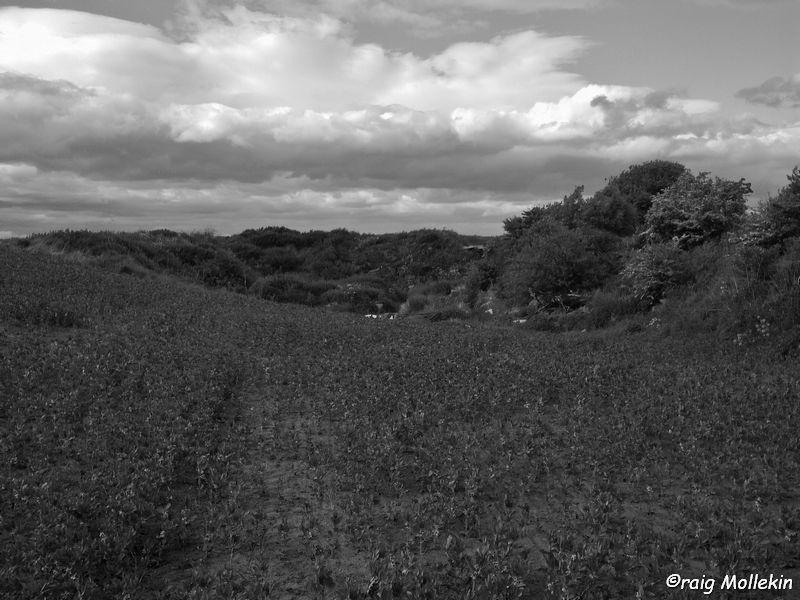
Old Swinton Common Colliery Workings

Most people know about South Yorkshire’s coal heritage and many from the area will have heard the names of Manvers Main and Wath Main coal mines which were in operation in Wath Upon Dearne during the 19th and 20th centuries. However, most people are perhaps not aware that there used to be coal mining activity in Swinton.

Most of Swinton’s inhabitants will be familiar with Creighton Woods and have probably walked in there and seen the Sister’s Lynch-gate at the entrance but probably aren’t aware that there used to be a coal mine in close proximity to this entrance. This coal mine was called Swinton Common Colliery and would have been a relatively small affair in comparison to the likes of Manvers Main and Wath Main.

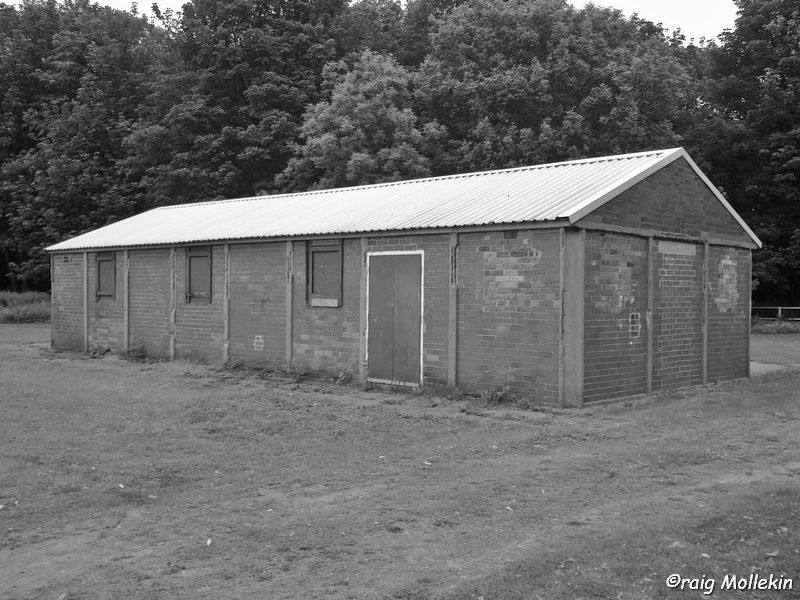
Former Scout hut, Swinton - 25.06.10 (3)

Former Scout Hut

Swinton Common Colliery closed in the 1920’s and was demolished soon afterwards.

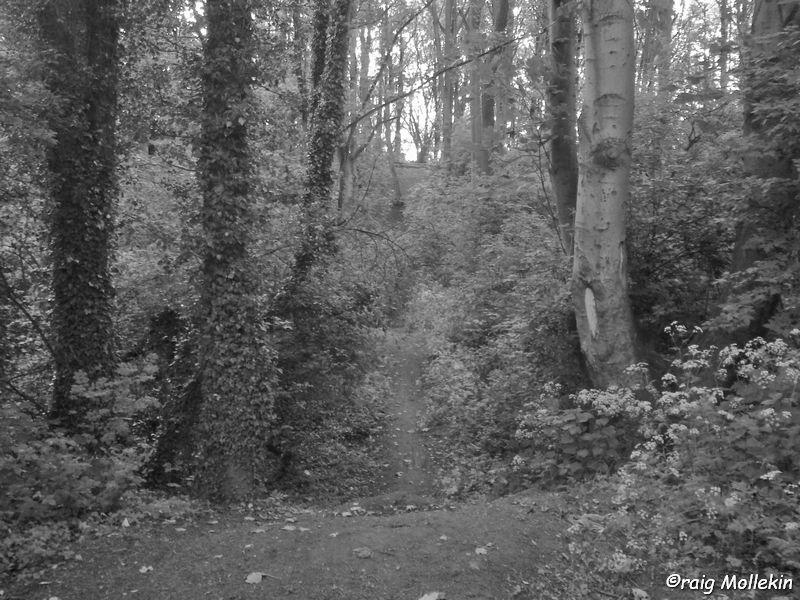
Evidence of Swinton Common Colliery’s mining activities is still present in the surrounding landscape in the form of dips, holes and mini canyons which in the present day seem to be a venue of recreational activities for bikers. All of this man made damage however now seems perman-madeatural in its environment and has been covered and filled by trees and undergrowth over the course of 90 years since the closure of the coal mine.

The location of the mine’s actual pit shaft is easy to locate as there is a concrete marker on the spot and is situated on open grassland bordering Creighton Woods on Woodland Crescent.

There is also a brick building still standing that was used by the coal mine. It’s last use was as a Scout hut.

New England Quarry, Mexborough

New England Quarry, Mexborough - 30.05.10 (9)

New England Quarry, Mexborough

Approximately one mile north-west of Mexborough Train Station lies the remains of what was called, New England Quarry. This was a sandstone quarry and after studying maps of the area, I can make the assertion that the quarry was in operation in 1855 and was still in operation in 1893 but had fallen into disuse by 1903.

After visiting this location in May 2010, I believed I’d stumbled across the remains of High Wood Farm. I thought that the large indentation in the ground was perhaps where the foundations of the farm had been.

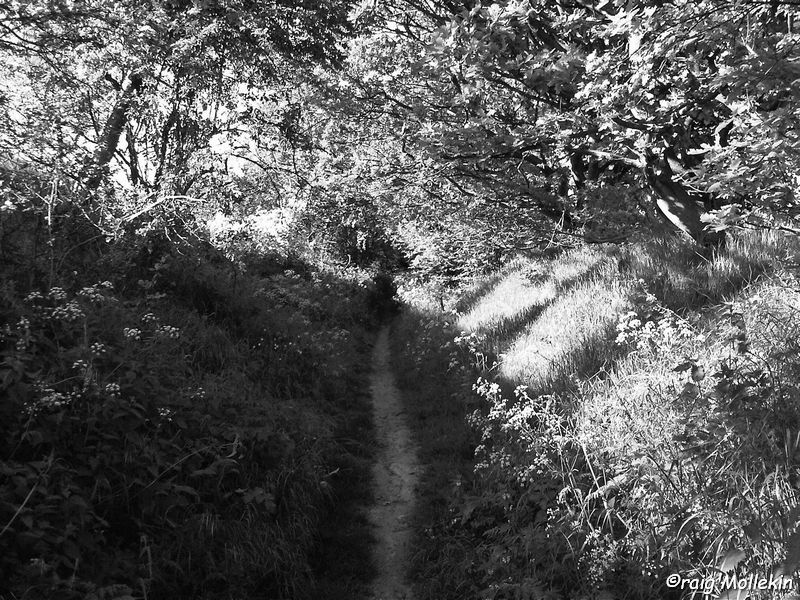
New England Quarry is situated on what is now described only as a bridleway. However, on early maps, this bridleway is called Quarry Lane which links what is now the Highwoods housing estate (built sometime in the mid 20th century) and Crow Tree Lane in Adwick upon Dearne. A small network of overgrown, presumably unused, lanes/dirt paths is present near the disused quarry. This little network would presumably have facilitated access to the fields by the owners of High Woods Farm.
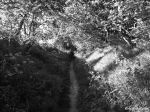
Quarry Lane, Adwick - 26.05.12 (1)

Quarry Lane, Adwick

The Bridleway/Quarry Lane would no doubt have provided access to the quarry for the workers.

There were actually two quarries in very close proximity to each other. One was a large quarry and one smaller and with no name on any of the maps that I’ve looked at. I am presuming that the location that I found was New England Quarry although it is possible that I located the smaller, unnamed quarry.

The sandstone excavated from the quarry would no doubt have been used in the construction of local buildings, perhaps most probably in Adwick upon Dearne.

This is a revised version of a post which was originally published on my previous Blogspot on 01/07/2010 and republished on Mollekin Portalite on 05/05/2011.
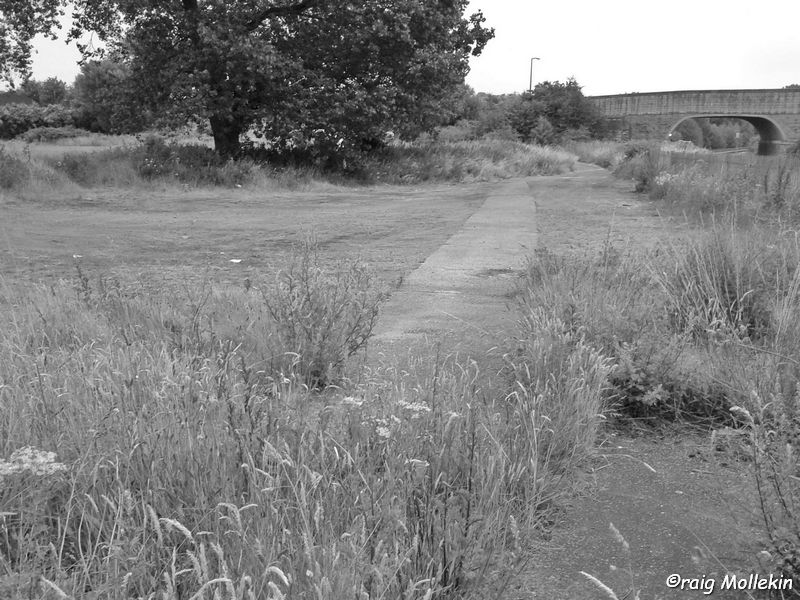
Gaping Goose Inn, Swinton

Gaping Goose (remains of), Fitzwilliam Street, Swinton - 16.11.08 (3)

Location of the Gaping Goose on Fitzwilliam Street, Swinton

This public house, also known as the Swan with Two Necks, was a Coaching Inn but was eventually converted into a house. Families called Jenkinson and Kemp lived here. It was demolished in the early years of the 20th century.

Highfield House, Swinton

Highfield Court, Swinton - 28.07.13 (1)

Highfield Court, Swinton

This house was built on Fitzwilliam Street. Thomas Brameld, a partner in the Rockingham Pottery business, lived here. After the death of Thomas, Swinton Council purchased the house and used it for their offices. The house and gardens disappeared circa 1980 and are now the site of Highfield Court. On the 1891 Census, Frederick Harrop and his family are living here.

Rock House & Harrop Gardens, Swinton

Harrop Gardens, Swinton - 21.04.16 (2)

Harrop Gardens, Swinton

Rock House in Station Street was originally the home of Edwin Thomas Harrop. In 1932, this house was purchased by Swinton Council and for a time used for educational and child welfare purposes. The Misses Harrop, granddaughters of Edwin, donated the grounds of the house to the Council with the intention of them being used by the elderly people of Swinton. In the 1960s, this house and the gardens were removed to make way for Swinton Precinct, municipal buildings and a pocket park called Harrop Gardens.

Robin Hood Inn, Swinton

Robin Hood, Swinton - 27.01.16

Robin Hood, Swinton

This early 20th century building appears to have replaced an earlier structure named the, Robin Hood & Little John Inn.

Landlords have included:-

  • Frank Goodwin – 1936
  • Mr. Jarvis – 1950s
  • Dennis & Marlene Wicks – 1980s
  • George Jowett – 1990s
  • Terry & Sue McGowan – 1990s / Early 2000s
  • Jason & Rhiannon Cassidy

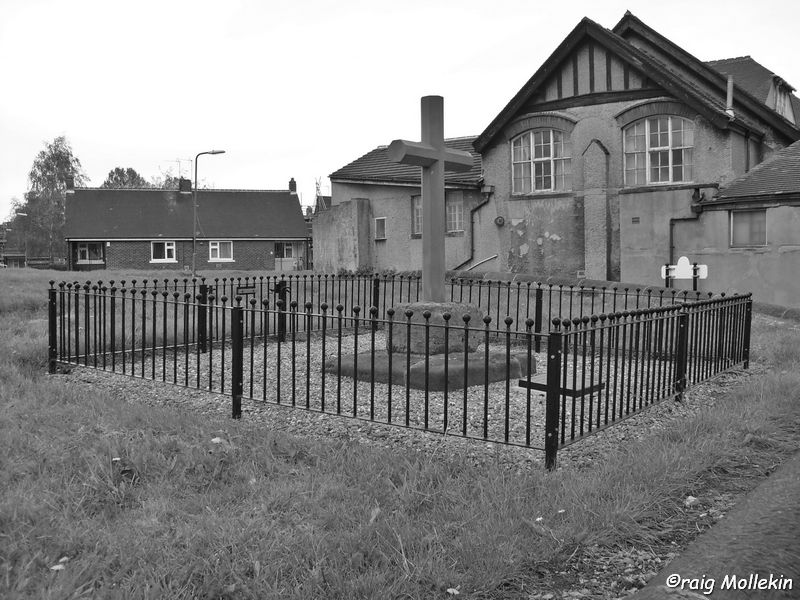
Butter Cross, Swinton

Butter Cross, Swinton - 13.05.12 (3)

Butter Cross, Swinton

This Butter Cross would have provided a meeting place and a location to trade goods. The actual cross was probably destroyed in the 16th or 17th centuries and all that survives is a plinth and a base. It was removed from its original location of Chapel Hill to the Church and finally back to Chapel Hill again in 2004 when a new cross was added in an attempt to recreate how it perhaps had originally looked.

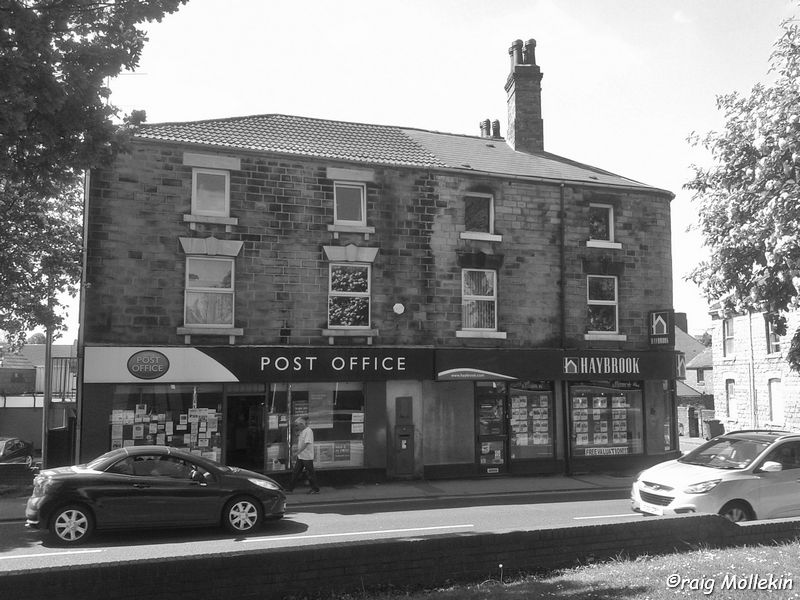
Swinton Post Office

Post Office, Swinton

Swinton Post Office

The Post Office on Station Street occupied the building it was in for all or most of the time it has been standing. In 2014, it closed and relocated to a nearby Spar convenience store, also on Station Street. It is now occupied by the B.A.R.C. animal charity shop.

The Darby family ran the above Post Office in the 1970s.

Most of the other Post Offices in the area have also closed:-

Highthorn Post Office in Kilnhurst closed in January 2004.
Roman Terrace Post Office closed in the 1990s.
Swinton Common Post Office closed in February 2004.
Victoria Street Post Office in Kilnhurst closed in February 2004.

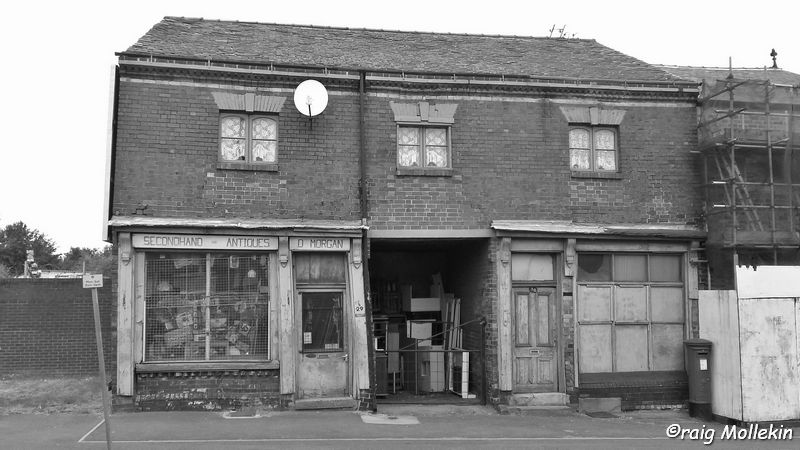
Another Post Office, in Swinton, that closed many decades ago, was on Bridge Street, in the building to the right of the bric-a-brac shop in the photo below on Bridge Street.

Dolly Morgans', Swinton

Dolly Morgans’ (left) & Former Post Office (right)

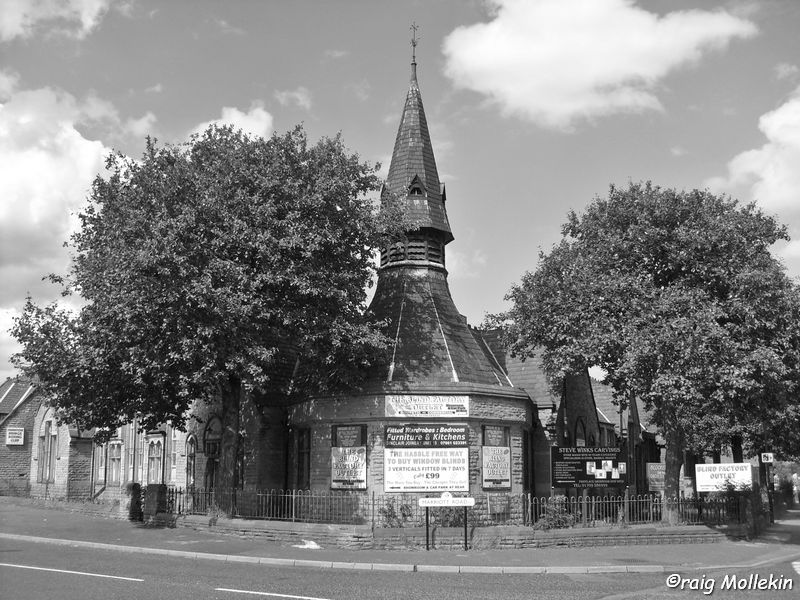
Swinton Bridge School

Swinton Bridge School, Swinton - 29.07.08 (5)

Swinton Bridge School

This was a Board School built in 1878 and is currently occupied by a number of business units. It closed as a school in 1981 and the tower was removed in January 2017.

Teachers at this school have included (please supply service years if known):-

Mr. Boswell – 1970s
Mrs. Bouley
Mrs. Carr – 1970s
Mrs. Chappell – 1970s
Mr. Drury – 1970s
Mrs. Eady – 1970s
Mrs. Gibson (Head Teacher) – 1970s
Mrs. Horsley
Mrs. King
Mrs. Ingham (Head Teacher) – 1960s
Mr. Jones (Deputy Head Teacher)
Mrs. Lockwood – 1970s
Mrs. Loyd
Miss Pontefract – 1970s
Mr. Randerson

Other staff included (please supply service years if known):-

Mrs. Wagstaff (Dinner Lady) – 1970s