Frederick Ambrose Early

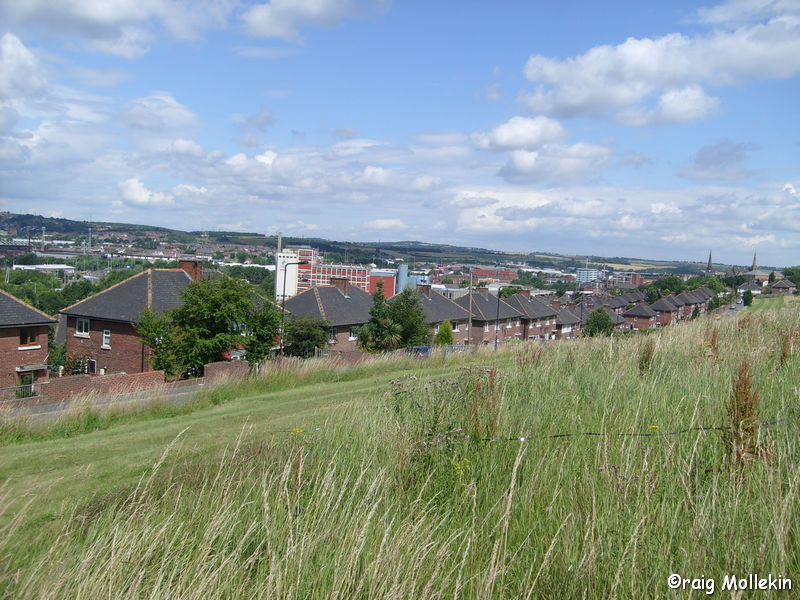
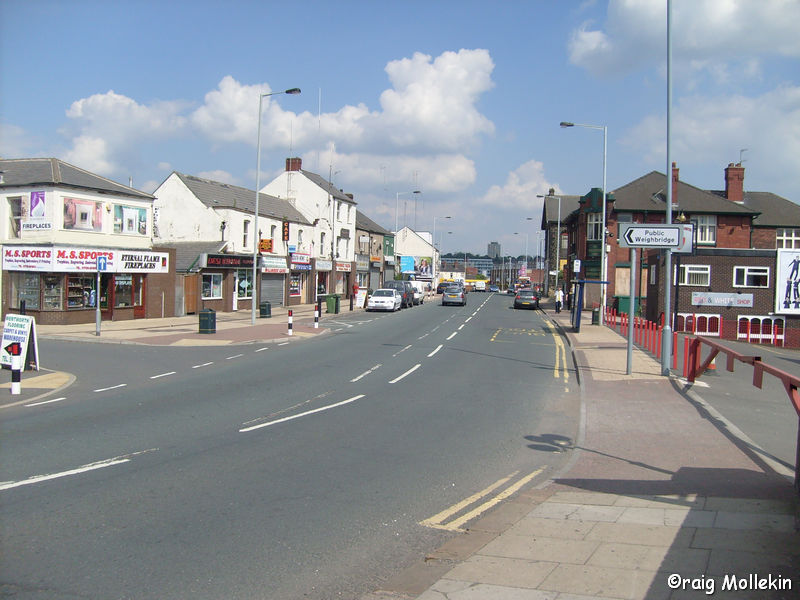
Rotherham Road

Rotherham Road

Frederick Ambrose Early, born in 1875 in Rotherham, is my first cousin, thrice removed and son of Priscilla Walker Berry and Jesse Early.

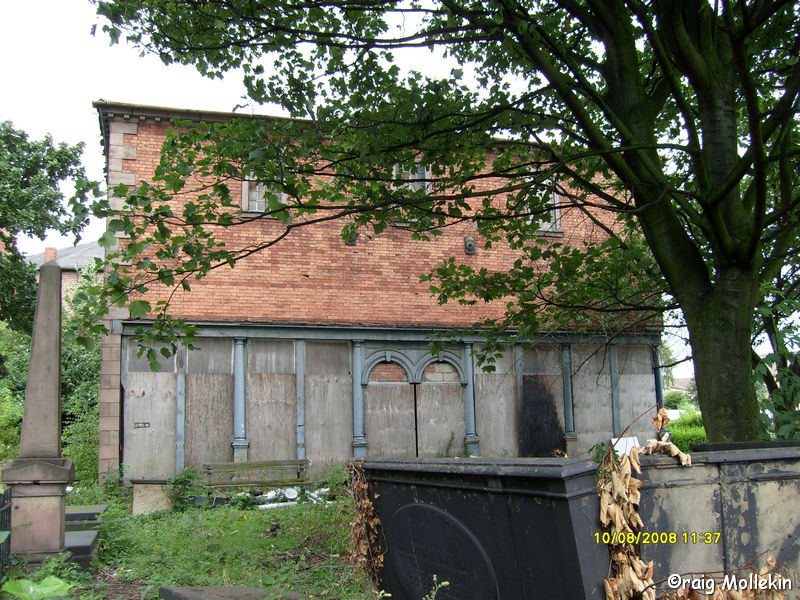
Doncaster Road Congregational Church, Rotherham - 19.08.07 (1)

Doncaster Road Congregational Church

In 1899, in Rotherham, Frederick married Mabel Hutchinson and together they issued five children, called, Leonard (1901 to 1971), Eric (1902 to 1953), Clifford (1905 to 1964), Hannah Mabel (1910 to 1998) and Ernest Harold (1918 to 1963).

Below is Frederick’s obituary. Like his father, Frederick was a Butcher and in 1925, his business is recorded as being located at 31 Rotherham Road, Parkgate.

THE ADVERTISER, SATURDAY 13th DECEMBER, 1952

MR. F. A. EARLY

38 - Moorgate Cemetery, Rotherham (Early) - 17.04.07 (1)

Frederick’s Headstone

The interment took place in the Moorgate Cemetery on Monday, following a service at his home conducted by the Rev. T. J. Williams, of Mr. Frederick Ambrose Early, who died at his home, “Kyngeston,” 96, Broom Lane, Rotherham, on Thursday week, after a short illness.

Mr. Early, who was 77, was born in Rotherham. He was in business on his own account as a butcher and grocer at Parkgate for over 50 years, retiring about six years ago.

He was a lifelong member of the Rotherham Congregational Church. In his younger days he was a keen cricketer, and was also interested in local football.

He leaves a widow, four sons, a daughter and 12 grandchildren.

Walter Early

25 High Street

25 High Street

Walter Early, born in 1872 in Rotherham, is my first cousin, thrice removed and son of Priscilla Walker Berry and Jesse Early.

In 1897, in Rotherham, Walter married Lucy Helena Hutchinson and together, they issued six children.

Walter was a confectioner and had won awards for how well he had decorated his shop on Clifton Lane, Rotherham. In 1925, he is recorded as having seven shops, six of these being in Sheffield. His Rotherham shop at 25 High Street was originally the Three Cranes public house which has recently been restored to it’s former condition.

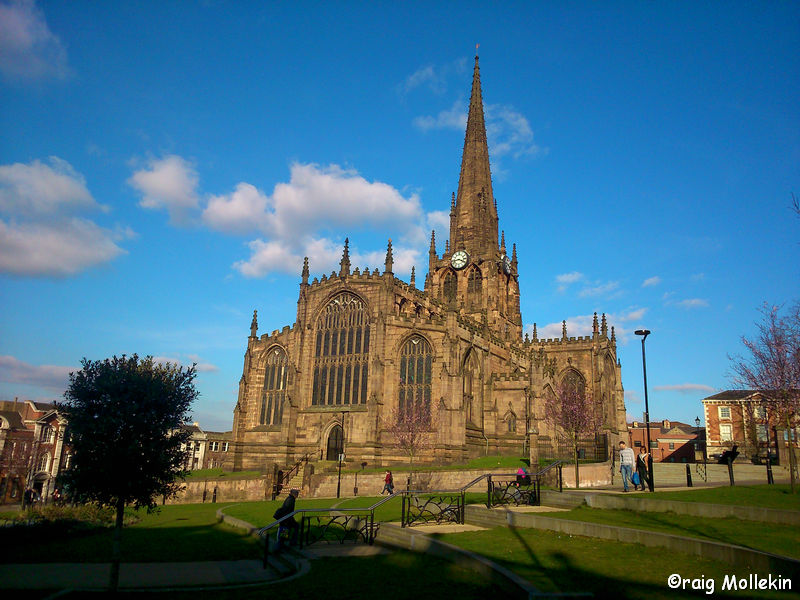
Doncaster Road Congregational Church

Doncaster Road Congregational Church

Below is Walter’s obituary.

THE ADVERTISER, SATURDAY, NOVEMBER 28th, 1941

The death occurred on Sunday morning of Mr. Walter Early, of “Lynwood,” 42, Haugh Lane, Sheffield.

Mr. Early, who was a native of Rotherham, had been ill for a considerable time. He was 69 years of age. About 32 years ago he left Rotherham for Sheffield to control the business of Messrs. Dainties Ltd., confectioners. He retired about 13 years ago.

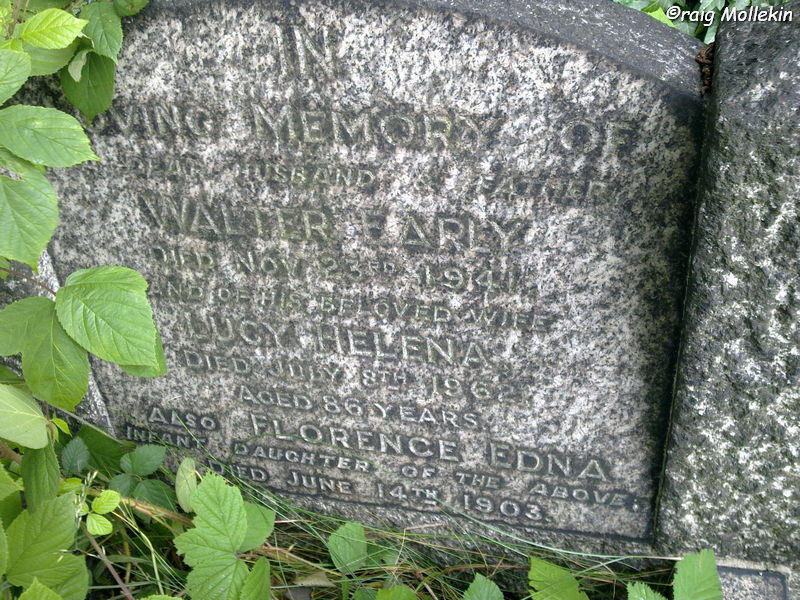
Walter Early

Walter’s grave

A long life Congregationalist, Mr. Early while in Rotherham was a member of the Doncaster Road Congregational Church choir. During his residence in Sheffield he attended the Endcliffe Congregational Church.

He leaves a widow and four daughters.

Prior to interment in the Moorgate Cemetery on Thursday, a service in the Doncaster Road Congregational Church was conducted by the Rev. V. E. Watson (minister).

Irene & Joseph William Wright

All Saints' Church (Minster), Rotherham - 10.03.14 (2)

All Saints’ Church

On Christmas Day, 1910, my second cousin, thrice removed who was called Ada Surtees, married John James Wright in All Saints’ Church, Rotherham.  Ada is the aunt of Irene Surtees who died in tragic circumstances in 1942. Together, Ada and John issued eight children. Below are the obituaries of two of those children.

THE ADVERTISER
FRIDAY, MAY 24th, 1974

Brother and sister die three days apart

Mr. William Joseph Wright, died at his home, 13, Rother View Road, Rotherham, aged 54, just three days after the death of his sister, Mrs. Irene Millard, aged 53, of 8, Remount Way, Kimberworth Park.

Rother View Road, Canklow (demolished section) - 13.07.09 (2)

Rother View Road

Born in Rotherham, Mr. Wright worked at Steel, Peech and Tozer for a number of years, but later moved to Silverwood Colliery where he was employed nearly 30 years.

He was a life member of the Rotherham Trades Club and numbered fishing among his hobbies.

Cremation took place at Rotherham after a service at the crematorium.

Mrs. Millard was born at Rotherham, and she worked in Rotherham and in recent years was involved in hospital work.

Rotherham Crematorium

She leaves a widower, five daughters, a son and several grandchildren. Cremation took place yesterday week at Rotherham following a service at the crematorium.

MILLARD. – Irene, of 8, Remount Way, Kimberworth Park, died May 12th; dear wife of John and loving mother and grandma.

MILLARD. – Mr. J. Millard and family thank relatives, friends and neighbours for the sympathy and floral tributes during their sad loss; also thanks to Rothwel Grange for kindness and floral tributes.

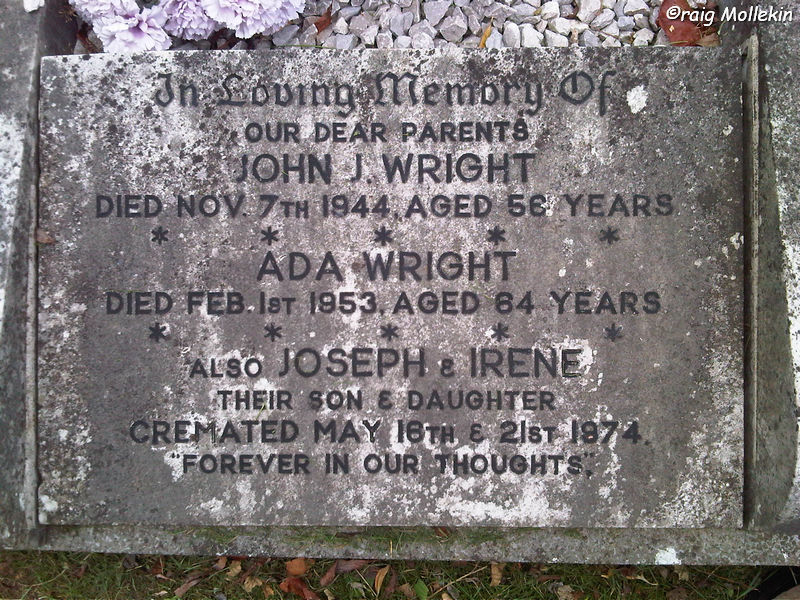
87 - Moorgate Cemetery, Rotherham (Wright) - 21.09.11 (33)

Wright Headstone

WRIGHT. – William Joseph, aged 54 years, and Irene Millard, sister to the above, aged 53 years.

Their families thank relatives and friends for sympathy during their sad loss.

WRIGHT. William Joseph, aged 54 years, suddenly, May 15th, at home, 13, Rother View Road, Canklow, Rotherham.

Alfred Henry Pinder

Masbrough Street

Masbrough Street

Alfred Henry Pinder is my second great uncle. He was born in 1846 to parents, Thomas Pinder and Mary Shackleton.

Alfred was born in 1849 and in 1876, he married Betsy Elenor Jarvis. Together, they issued three children, one of them being Frank Jarvis Pinder.

Alfred died in 1887 and below is his obituary..

THE ROTHERHAM ADVERTISER, SATURDAY, JULY 9, 1887.

Masbrough Independent Chapel

A sad duty remains to be done – to pay a tribute of respect to the memory of Bro. Alfred Henry Pinder, the news of whose sudden death startled all those who heard it yesterday. During a considerable portion of last year, he did not enjoy the best of health, but latterly he seemed to have regained strength. He was one of three sons of the late Mr Thomas Pinder, and they, like their father, have all been members of the Manchester Unity of Oddfellows. Bro. A. H. Pinder was connected with the Phoenix Lodge, and on the formation of the George’s Lodge, at Masbro’, a few years ago, he was appointed secretary, a position which he has held since. When Bro. G. J. Jackson removed to New Zealand, in the autumn of 1885, Bro. A. H. Pinder was appointed corresponding secretary of the district, but at the close of last year he found it necessary to resign the office in consequence of ill-health. He was a Past Provincial Grand Master of the Rotherham District. Almost his last public act in connection with the Oddfellowship was to discharge the duty of one of the marshals of the Manchester Unity portion of the Jubilee procession; and on Monday evening he was in his usual position as secretary of the George’s Lodge, when he was apparently in his ordinary health and strength. He was a member of the choir of the Masbro’ Independent Chapel, and was always willing to lend a hand in musical circles.

Saint Thomas's Church, Kimberworth - 15.11.13 (4)

Saint Thomas’s Church

For many years he had been time-keeper at the Masbro’ Stove Grate works of Messrs. Corbitt and Co., Limited, and he leaves a widow and three young children to mourn his loss. He was 38 years of age. On Wednesday night he had what was apparently a return of the affection of the bowels from which he had suffered previously, and Dr. Walker was hastily summoned. He was unremitting in his attentions, but his death ensued yesterday morning from biliary colic. Bro. Pinder will be missed throughout a wide circle, and much sympathy will be felt for his wife and children. During last year the writer enjoyed Bro. Pinder’s counsel and support in the performance of many arduous duties, and it is with him a melancholy duty to pen this tribute to one who was in every respect a thoroughly good-hearted and genial Oddfellow. The funeral will take place on Sunday afternoon, at Kimberworth Church.

PINDER. – July 8th, at Masbro’ street, Masbro’. Mr Alfred Henry Pinder, aged 38.

John Gilbert Mollekin

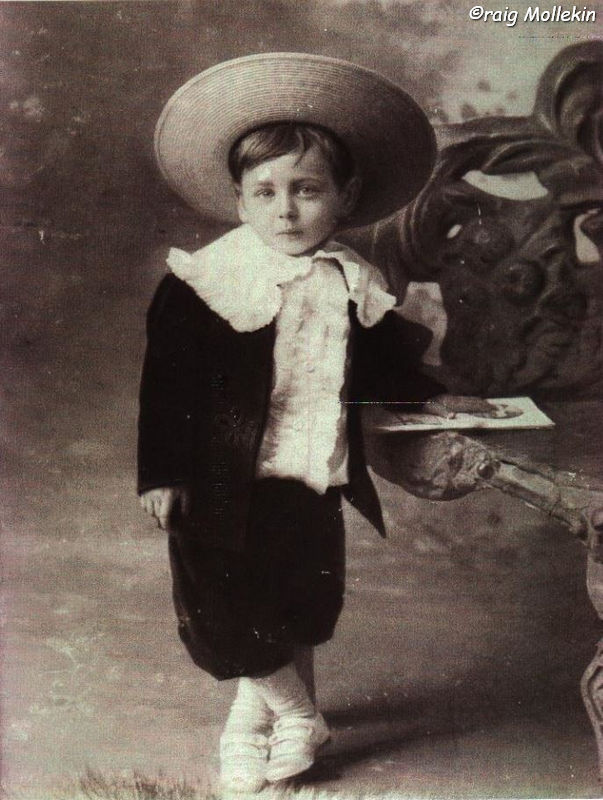
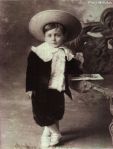
Jack circa 1900

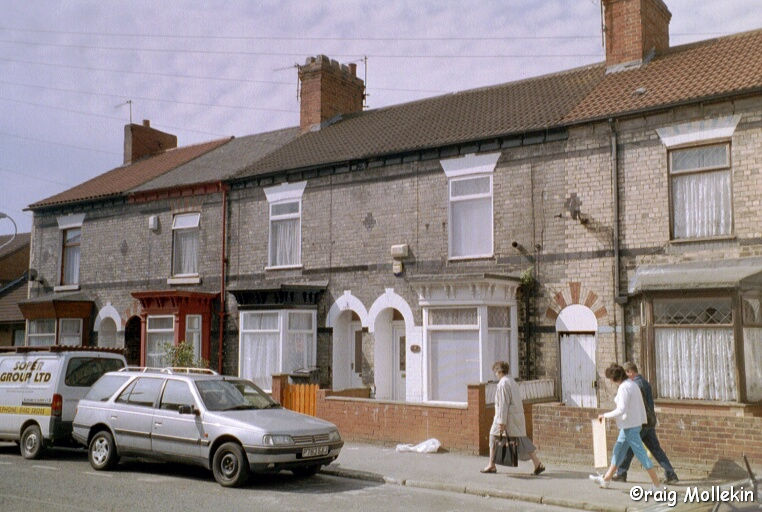
Walliker Street

18th August 2015 marks the 118th anniversary of the birth of John Gilbert Mollekin (known as Jack) who is my paternal grandfather. Jack was born in Walliker Street, Newington, Hull, to parents, Johann Mölleken and Jennie Slingsby. His father was a Master Joiner who built several streets in Hull including Dorothy Grove and Gilbert Avenue (named after his children and demolished circa 2011).

Jack’s sister, Gwendoline, died on his 7th Birthday and he lost his mother, five months later to Pulmonary Phthisis. Jack’s father had five children to bring up alone and consequently his construction business suffered, so he began working for his brother-in-law’s company before moving to the Rotherham area circa 1906 in order to help with his brother’s building activities.

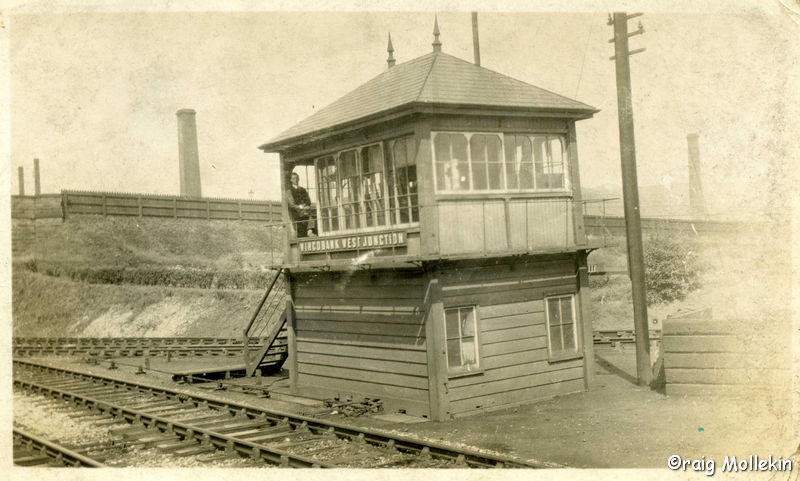
Upon leaving School, Jack worked for the Mollekin building company based in Maltby as a bricklayer until circa 1915 when he trained to become a Signalman on the Railways, a job that occupied him until he retired, working in Wincobank and Rawmarsh.
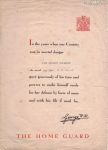
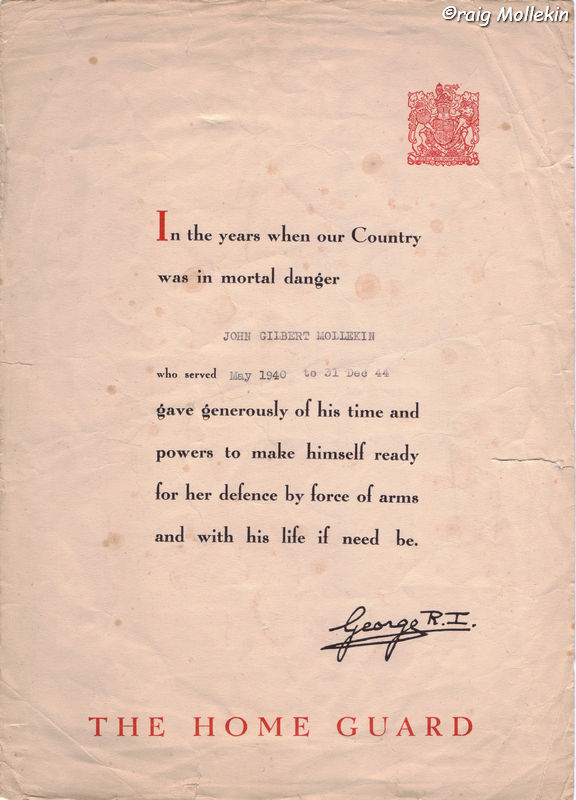
Home Guard

Jack avoided serving in World War One because when he attempted to enlist, it was deemed that he was underweight, the Enlistment Officer joking that he could only be used as a bore brush for the guns.
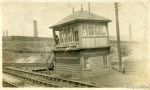
Jack at Wincobank West Junction in 1929

Jack married Edith Mary Pinder in 1925 and together issued three children who were called, Beryl Marjory, John Malcolm and James Barrie. They originally lived in Bramley, Rotherham before moving to a modern house on the newly erected Listerdale Estate in Wickersley, circa 1930.

Jack’s daughter, Beryl, married an American Serviceman in 1945, moved to Tennessee and died the following year. Jack’s wife died in 1952 following a series of strokes.

During World War Two Jack served in the Home Guard. My father recalls this era in Wickersley in this entry.

Jack’s daughter, Beryl, gave birth to a daughter (Linda) shortly before she died and although Jack communicated with Linda’s family on a regular basis via letters, Jack didn’t actually get to meet her until 1963 in America. Jack met and married a lady whilst in Tennessee although this marriage was short-lived.

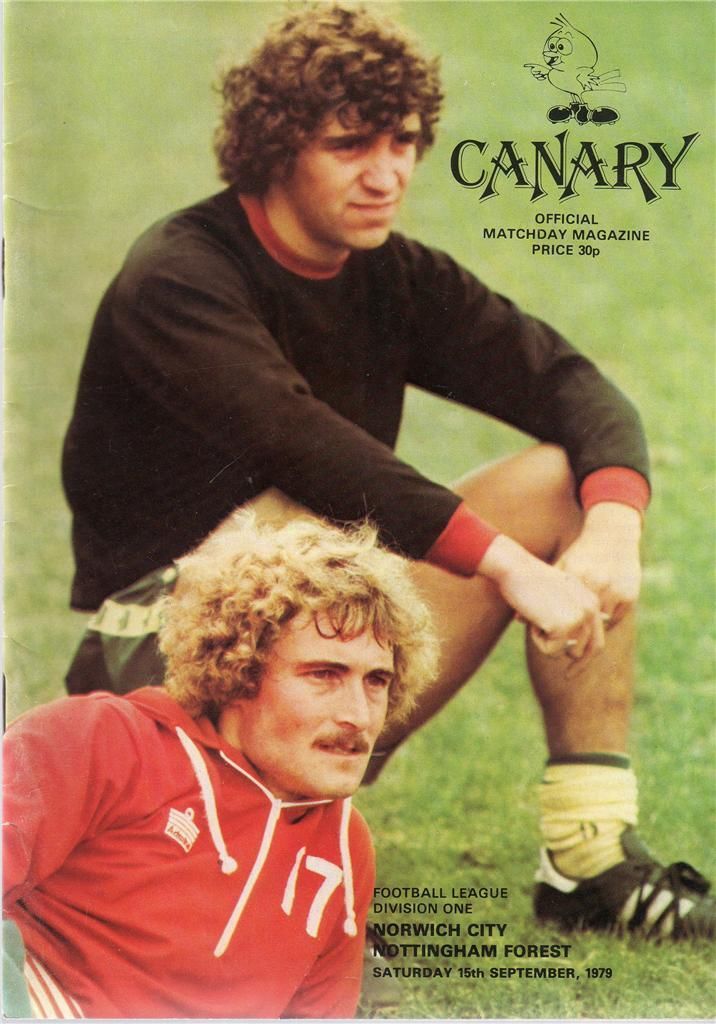
Norwich City F.C. Official Matchday Magazine – 15.09.79

Jack’s father was a Rotherham United supporter, as was Jack, my father and myself also. My family has been supporting Rotherham United since before Rotherham United’s old ground, Millmoor, was erected and I recently discovered that the meaning of the German/Prussian name ‘Mölleken’ roughly translates to ‘Little Miller’. Rotherham United is known as ‘The Millers’. In the 1970s, Jack went to live with his sister-in-law, Evelyn Pinder (nee Wakefield), in Cromer, Norfolk. This meant that Jack could no longer easily support Rotherham United in attendance so began supporting his local team which was Norwich City.
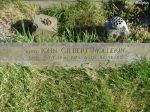
Jack’s grave

On Saturday 15th September 1979, Jack, with a friend, went to watch Norwich City at home in Carrow Lane play Nottingham Forest. Norwich City won the game, 3 goals to 1. Scorers for Norwich were Kevin Reeves (39 minutes), Justin Fashanu (42 minutes) and Keith Robson (57 minutes). John Robertson scored the goal for Nottingham Forest in the 84th minute. John Bond was the manager of Norwich City and I actually met him in 1990 when he was the Manager of Shrewsbury Town. Some time between the 84th minute of the game and the final whistle, Jack passed away, just after saying to his friend, “No more goals will be scored”.
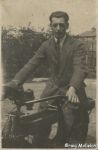
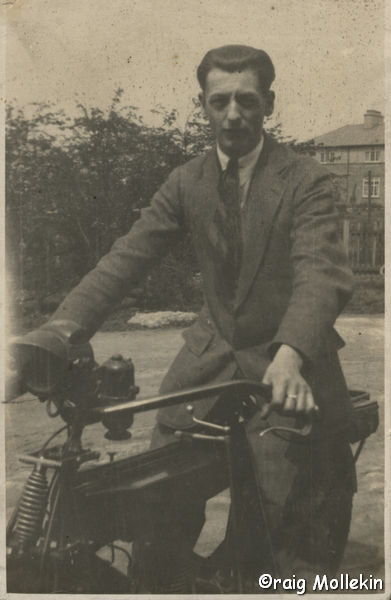
Jack in 1925

I only have a couple of cameo memories of my grandfather as I was just 3 years old when he died. One memory is of when my father was knocking a chimney breast out of a bedroom at home in Swinton and I was jumping up and down on a bed. I remember repeatedly and excitedly asking my father when ‘Grandpa’ was arriving as I knew he was on his way to visit us. When he came through the bedroom door, I bounced off the bed into his arms. Another memory is of when we were both waiting for dinner to be served. We were in the front room at home and on a silver tiered cake stand, on a table between us, were an assortment of tarts etc. I tried to reach for one but my Grandpa stopped me. Both of these memories may even have been from the same day.

On the 2nd September 1989, almost 10 years after my grandfather had passed away, my father took me to Millmoor for the first time to watch Rotherham United draw with Walsall Football Club.  A twist of fate also took me to Rotherham United’s new ground (New York) on the 33rd anniversary of my grandfather’s death on Saturday 15th September 2012, with my brother and sister-in-law, to watch Rotherham United beat Torquay United 1 goal to 0.

John Gilbert Mollekin – 18th August 1897 to 15th September 1979.

Thanks are owed to Ali Morse for sourcing a newspaper report of the Norwich City versus Nottingham Forest game and to Peter Davies for reproducing the photo of Jack as a child.
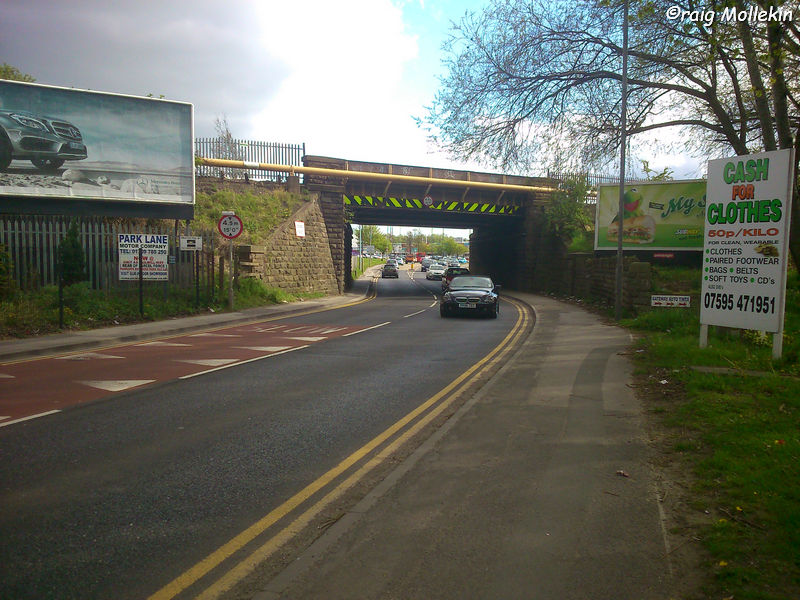
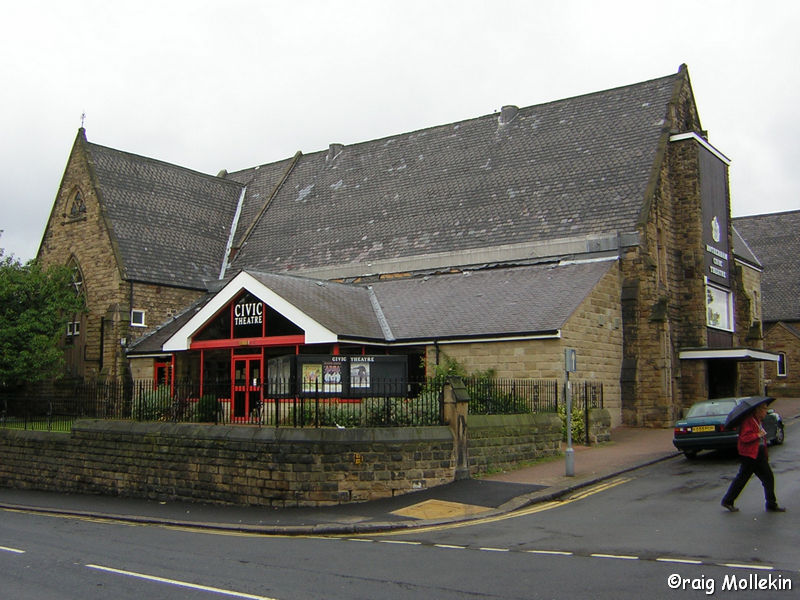
Edwin Barron

Don Street, Rotherham - 24.11.08 (1)

Don Street

Edwin Barron married my second cousin, twice removed, Jennie Jarvis, in 1926. Edwin and Jennie issued two children together, called, Edwin and Peter.

THE ADVERTISER, SAT., NOV. 26TH, 1960

LOCAL SCRAP FIRM CHAIRMAN DIES, AGED 83

MR. EDWIN BARRON, chairman of a local scrap metal firm, of 72, Wickersley Road, Rotherham, died at his home on Monday, aged 83.

Masbrough Independant Chapel, Rotherham - 10.08.08 (11)

Masbrough Independent Chapel

Mr. Barron inherited the scrap metal business from his father. In 1948 it was formed into a limited company, known as E. Barron and Sons Ltd., together with his two sons, Mr. Edwin Barron and Mr. Peter Barron. The firm’s headquarters are at Don Street, Rotherham.

He was a member of the Sitwell Park and Thrybergh golf clubs, and of the Rotherham Golfers’ club. He was also a member of the Rotherham Unionist Club.

Cremation took place yesterday at Sheffield, following a service at the Masbro’ Independent Chapel, conducted by the Rev. W. Unsworth.

The family mourners were Mr. and Mrs. E. Barron (sons and daughters-in-law), Miss M. Barron, Miss A. Wilson, Mr. M. Barron (grand-children), Mr. G. Jarvis, Mr. and Mrs. S. Jarvis (brothers-in-law and sister-in-law).

City Road Cemetery, Sheffield (Crematorium) - 14.11.08 (4)

Sheffield Crematorium

Among the mourners were: Mr. W. Hague (representing C. R. Hague and Co. Ltd., Sheffield), Mr. A. Leigh, J.P., and Mr. F. Allott (representing Allott Brothers and Leigh Ltd., also Mr. E. A. Smith), Mr. L. G Ellis (representing the firm of L. G. Ellis), Mr. and Mrs. G. Millson (representing Millson Brothers), Mr. G. H. Boulton (representing the Rotherham Town Cricket Club), Mr. T. Chambers, Mr. F. P. Enright, Ald. L. J. Tarbit J.P., and Mr. F. D. Sidwick (representing the Rotherham Golfers’ Club), Mr. W. Charles (representing the Rotherham Steel Strip Company Ltd.), Mr. G. T. Spearing (representing the Sitwell Park Golf Club), Mr. J. H. Dickinson, J.P. (representing “The South Yorkshire and Rotherham Advertiser”), Mr. B. Cutts (representing Deans Electrical and Engineering Company Ltd., also Mr. J. Booth (representing Col. W. J. Nutter, Wentworth Estates Company).

Mr. H. H. Styring (also representing Mr. C. Hoskins), Mr. and Mrs. R. V. Hobson (also representing Mr. and Mrs. W. Sides), Mr. and Mrs. R. Bird, Mrs. R. Roberts, Mrs. G. Kniveton, Mr. and Mrs. R. Wormald, Mrs. C. A. Birkett, Mrs. P. Ellse, Mr. A. Noble, Mr. C. D. Burgess, Mrs. G. Brooks, Mr. T. Maw, Mr. A. Coates, Mr. and Mrs. H. S. Downing.

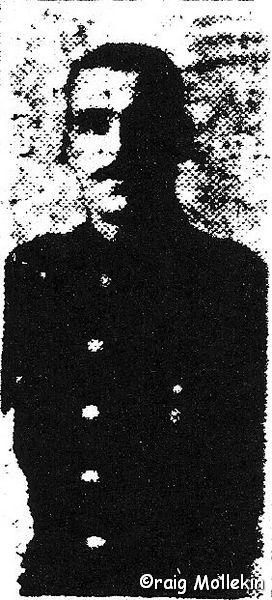
Albert Jennett – War Casualty

Albert Jennett

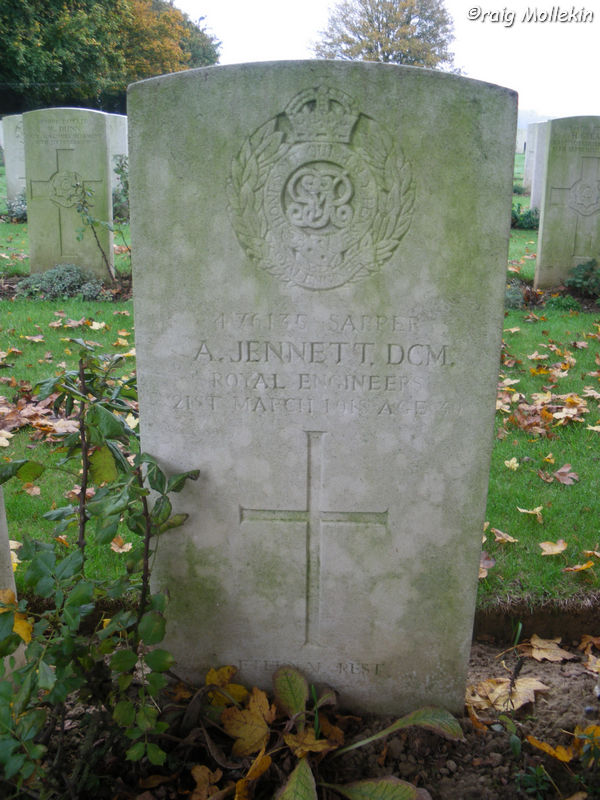
In 1903, Clara Simpkin (my great great aunt) married Albert Jennett and together they issued five children. Albert was born in 1879, in Sheffield, and served in World War One. Albert was awarded the Distinguished Conduct Medal for bravery displayed at Gallipoli in April 1915 and was himself wounded just three months later, but fortunately recovered.

Sadly, Albert was killed in France on 21st March 1918. Albert was serving with the 97th Field Coy Royal Engineers and was positioned within the forward line of the British defence, in anticipation of the German offensive from the Hindenberg Line in 1918. On the 21st March 1918, following a massive bombardment, including gas shells, aimed not at the infantry, but at targets of British HQ’s, communication and supply, artillery and engineers, the Germans attacked with their ’stormtroopers’ recently brought from the Eastern Front. They attacked in small groups intending to break through pockets of resistance, thus allowing the infantry to easily follow. The forward line of British soldiers were quickly overwhelmed and many casualties sustained.

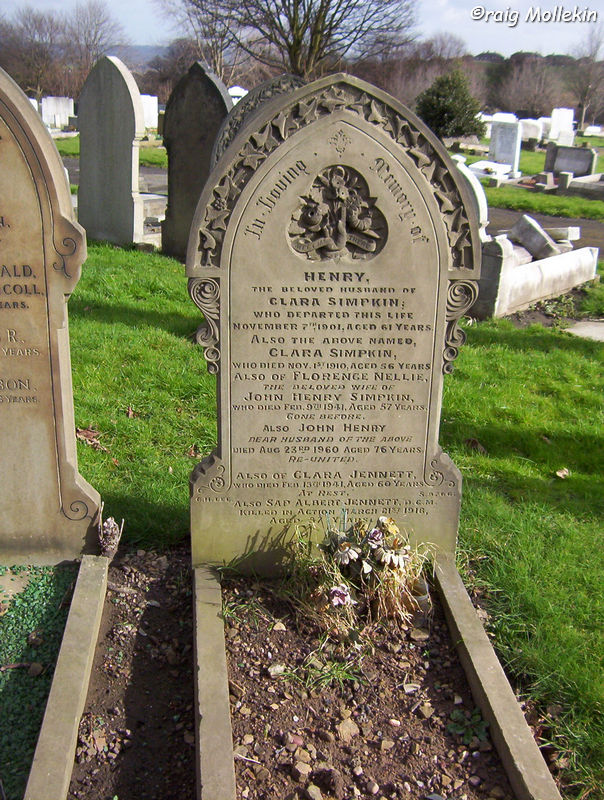
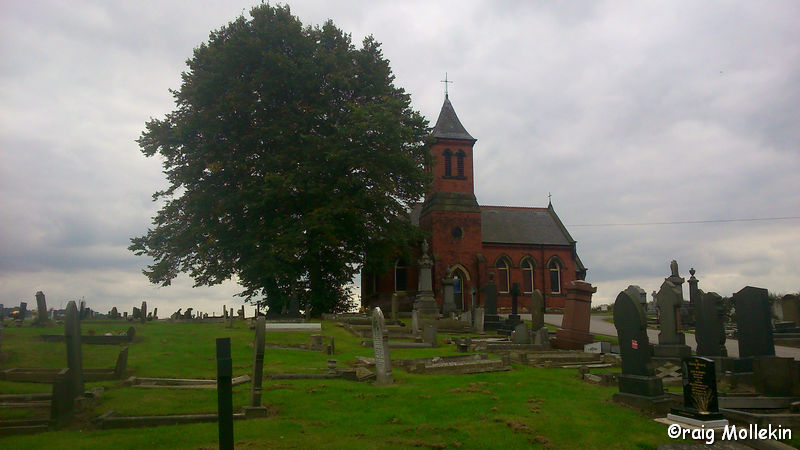
Albert is buried in the Gouzeaucourt New British Cemetery in France but is also remembered on the headstone of my great great grandmother (Clara Simpkin (nee Loukes)) in City Road Cemetery, Sheffield. Below are three newspaper snippets which pertain to Albert’s military career.

SHEFFIELD DAILY TELEGRAPH

Gouzeaucourt New British Cemetery

21ST AUGUST, 1915.

The engineers have been in the Dardanelles operations and Sapper A. Jennett, of the West Riding Field Co., R.E., is among the wounded.

YORKSHIRE TELEGRAPH & STAR
7TH SEPTEMBER, 1915.

D.C.M.’S

HONOURS GAINED BY LOCAL TERRITORIALS

GALLANT DEEDS

Sapper A. Jennett, 1st West Riding Field Company, Royal Engineers (T.F.) – For great bravery on the 28th April, 1915, on the Gallipoli Peninsula. An officer of the Argyll Mountain Battery had had his leg blown off and was lying in the open exposed to a heavy fire. Sapper Jennett, with the assistance of another man, voluntarily went out, crossing over a very difficult wire entanglement under heavy fire, and succeeded in bringing him to safety. He gave a conspicuous example of courage and self-sacrifice.

City Road Cemetery

SHEFFIELD DAILY TELEGRAPH
8TH SEPTEMBER, 1915.

A GALLANT SEVEN

SHEFFIELD SOLDIERS WHO WON THE D.C.M.

Sapper A. Jennett, whose wife and five young children live at 12 Hadfield Terrace, off Hadfield Street, Walkley, rejoined the Sheffield Engineers, in which he had served for many years, on the outbreak of hostilities. He is a machine filecutter, and was in the employ of Messrs. Samuel Osborn and Co. Limited, at their Brookhill Works. Sapper Jennett went out to the Dardanelles in March, and is at present in hospital in Cairo. He was wounded in the thigh on July 11th by a piece of shrapnel while in the act of mashing tea. He is progressing favourably. His father, Mr. John Jennett, file forger, of Robertshaw Street, Sheffield, was a volunteer for several years.

An Unpleasant Experience In Conisbrough

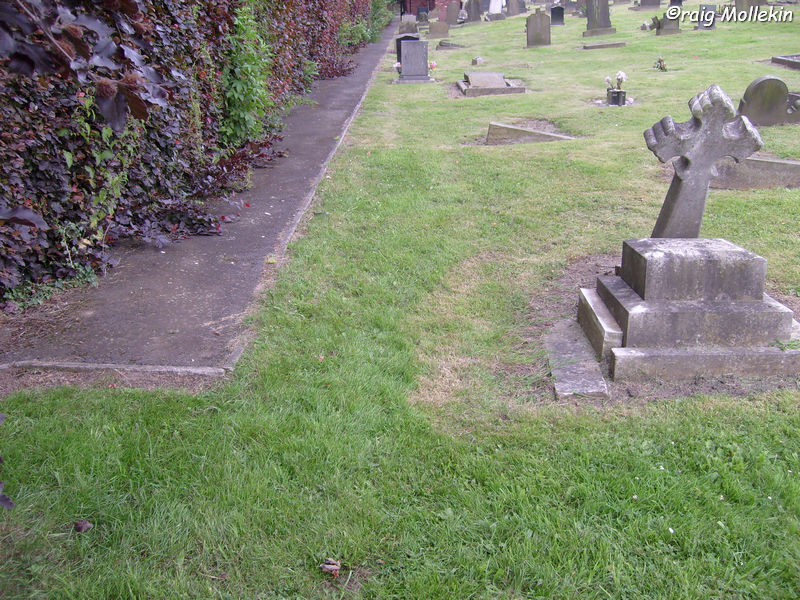
Cemetery, Conisbrough - 02.09.14 (16)

Conisbrough Cemetery

The Jacobs family features in my pedigree and is becoming an increasingly large tree. Research conducted indicates that they were living in the Cambridgeshire region since at least the early 1600s. They mostly worked as agricultural labourers but a couple of branches in the late 1800s and early 1900s decided to try their luck in the north, presumably because of the plentiful and relatively well-paid jobs.

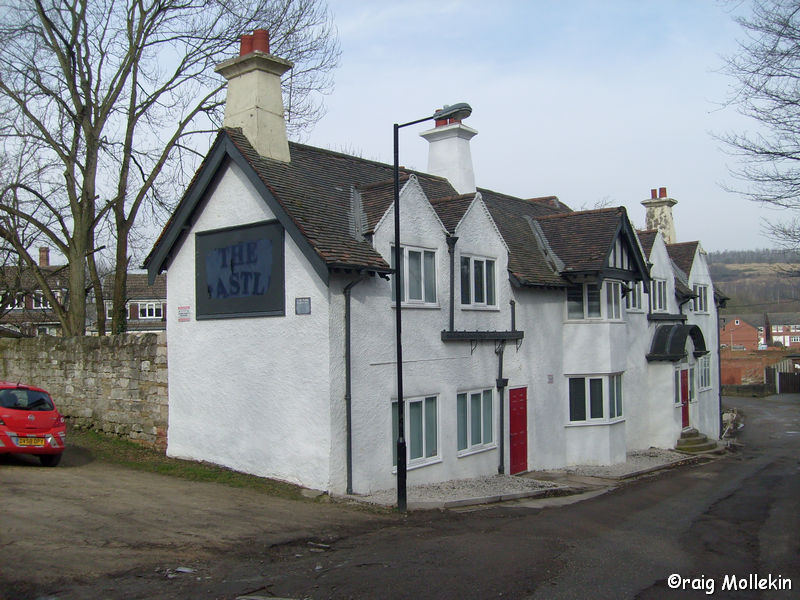
Castle Inn, Conisbrough - 12.03.15 (6)

Castle Inn

My second great grandmother (Eliza Ann Jacobs) along with her family moved to Rotherham in 1902 and settled there. Eliza’s uncle had settled in Wombwell in South Yorkshire, previously, in the 1870s but by 1901 was back in Cambridgeshire. Two of his children stayed in South Yorkshire however. The newspaper article below pertains to one of Samuel’s sons who was called Samuel Charles Jacobs. I’d been unable to find him on the 1911 Census but a cousin recently informed me that he had died in Conisbrough in South Yorkshire in unusual circumstances:-

MEXBOROUGH AND SWINTON TIMES, SATURDAY, JANUARY, 27, 1912

131 - Conisbrough Cemetery (Burton, Jacobs, Sylvester) - 03.07.14 (11)

Unmarked Jacobs grave

UNPLEASANT EXPERIENCE. – Mr. G. Jacobs, the landlord of the Castle Inn, had a rather unpleasant experience towards the end of last week. On the Thursday evening, about 7-20, his brother in a practically destitute condition, put in an unexpected experience. It was soon found out that he had been scouring the country for the past 12 months, and a warrant was out for his arrest on account of his neglecting his wife and family at Chesterton, in Cambridge. He was apparently, in a broken-down state, and said he had come to die. New clothes were given to him, and he retired about nine o’clock. After a restless night he rose shortly after ten o’clock next morning, and medical aid was summoned. He expired, however, shortly after three o’clock on Thursday afternoon while sitting in a chair, about an hour after he had received medical attention. The funeral took place at the cemetery on Sunday afternoon, Mr. Jacobs paying all the expenses incurred. The Rev. W.A. Strawbridge officiated at the graveside. (There appears to be an error in the reporting of the incident as Samuel is reported as arriving on Thursday and then dying during the following day on Thursday)

Arthur Parkin

Arthur Parkin is the husband of my third cousin, thrice removed (Catherine Loukes). Below is the newspaper article published shortly after his death with details of how he demised.

YORKSHIRE TELEGRAPH AND STAR, WEDNESDAY EVENING, MAY 10, 1916.

NO WITNESSES OF CARTER’S FATAL ACCIDENT

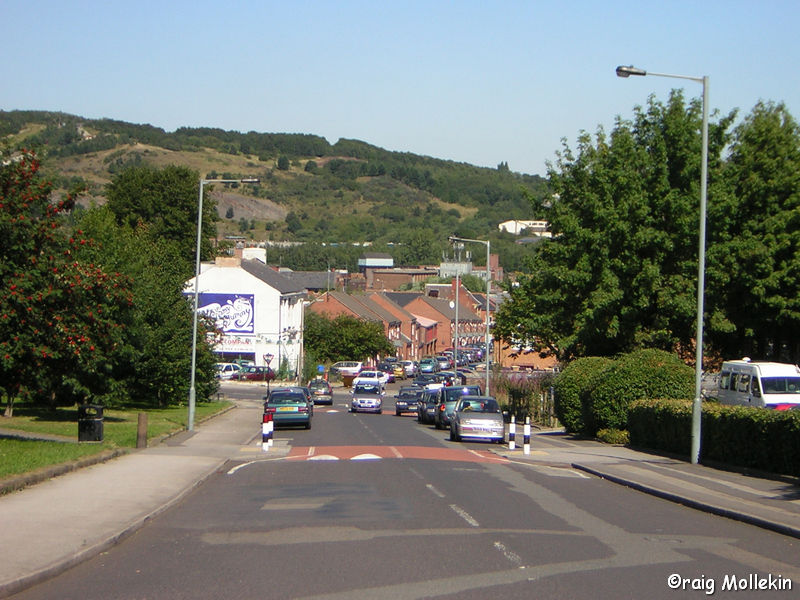
St. Philips Road

In lieu of direct evidence supposition had largely to be reported to at the inquest at the Sheffield Coroner’s Court to-day on the body of Arthur Parkin (48), of 70, Milton Street, a Corporation carter, whose death took place in curious circumstances. From the statements it had been found possible to collect, it appeared that the man, who was a carter in the Cleansing Department, was discovered lying in a pool of blood, suffering from terrible internal injuries, and the theories on which the jury based its verdict of “Accidental Death” were that the man, whilst applying the brakes before proceeding down a hill with his waggon, had been caught by the wheel and run over.

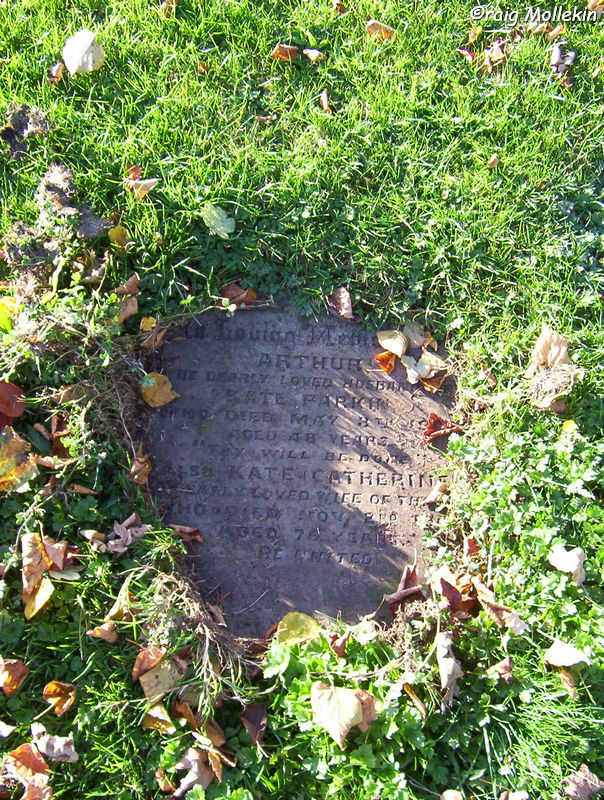
Arthur’s grave

A fellow-workman said that when he left Parkin at 2.45 a.m. he was all right, and was leading his horse and waggon, loaded with nightsoil, up Thomas Street, on his way to the destructor on Penistone Road. Henry Crouch, a Corporation street sweeper, found the body of Parkin in St. Phillip’s Road lying in a pool of blood, but could form no opinion as to what had happened. He made the discovery as day was breaking, and the horse and cart were nowhere to be seen.

Some time later, said another Corporation employee, he found the horse and cart of which the deceased had been in charge near the destructor in Penistone Road. The brakes were hard on, and the horse was pulling up the hill “as though it had gone mad.” In his opinion Parkin had been caught by the wheel whilst applying the brake in St. Phillip’s Road.

Dr. Mowat, of the Royal Infirmary, described the terrible injuries of the man when he was admitted to the institution. All the ribs on the right side were broken, there was a wound reaching down to the bone underneath the chin, and bruises on the chest and head. There were also severe internal injuries.

At the conclusion of the inquest, Mr. E. B. Gibson, who represented the Corporation, expressed the sympathy of the Cleansing Department with the relatives of the dead man. He was a good, honest workman, and the department were very sorry to hear of his death.

Operation Hurricane

Operation Hurricane

Operation Hurricane

In an entry on this site, I wrote about how a couple of my cousins died as civilians during the Sheffield ‘Operation Crucible’ Blitz of 1940. In contrast, in this entry, I write about how three of my German cousins died as civilians during World War II. To set the background as to how I lost English and German cousins in World War II, I’ll explain that through the paternal side of my family, my ancestry can be traced back to Rhineland in Prussia (now Germany). My second great grandfather, Johann Mölleken, came to England with his family circa 1860.

My second cousin, twice removed is called Emilie Mölleken and she was born in 1906 in Hiesfeld, Dinslaken, Rheineland, Prussia. In 1932, she married Friedrich Gerhard Van Laak. Together, they issued three children called Fritz (born 1932), Erwin (born 1934) and Heinz-Dieter (born 1937).

Friedrich Gerhard Van Laak owned a house painting and pharmacy business in Hiesfeld. With tax-payer’s money during World War II, the basement of this store was developed into an air raid shelter. This basement therefore always had to be accessible.

Hiesfeld

Hiesfeld

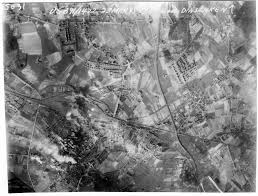
In the early hours of 14th October 1944, the Royal Air Force launched a massive 1000 bomber air raid, codenamed ‘Operation Hurricane’ on the German city of Duisburg in the state of North Rhine-Westphalia. The route of the bombers took them over Hiesfeld. At 08:46, Hiesfeld air defence made a direct hit on a four engined Avro Lancaster heavy bomber flying in at 52,000 meters altitude. Consequently, a second Avro Lancaster was also affected. The two bombers were due to hit the Hiesfeld air defence and their numbers were NF928 and JB297.

A reporter filmed this event out of another aeroplane. Because of the great quantity of bombs and the half full tanks of fuel that the bombers were carrying, the force of the explosions ripped the bombers apart and the cascading large and small debris scattered for miles in and around Hiesfeld. Several witnesses described how aeroplane and body parts fell from the smoke filled sky. Fires broke out across the entire of Hiesfeld. This was followed by sporadic bomb explosions. Several unexploded bombs also scattered around aimlessly. At several points dead Avro Lancaster crew members were found with unopened parachutes still on their backs.

Avro Lancaster

Avro Lancaster

The Van Laak store was hit by falling aircraft debris and was completely destroyed by subsequent fire. In the air raid shelter underneath the store were twenty three civilians, all of which were killed. A fire-fighter, who was recovering the bodies there, reported that the lungs of the causalities were burst due to the huge explosion and pressure wave. They were found with bloody foam at the mouth but otherwise, their bodies were unharmed. The shelter did not collapse and so all of the causalities were found, still sat down. The inputs and outputs of the air raid shelter were filled in, during the explosion. Paint buckets caught fire and exploded which hampered the rescue attempts.

Near to the Van Laak store was a greengrocer’s store and people had gone to buy cabbage that morning. Once the air raid sirens sounded, the people fled into the Van Laak air raid shelter.

Sadly, Emilie and two of her children (my third cousins), Erwin and Heinz-Dieter were killed in the blast. Their eldest child, Fritz (still alive at the time of writing) survived because he was in School.

All 14 crew members of NF928 and JB297 were recovered and buried in the cemetery of Dinslaken. In 1947, they were reburied in the Imperial Forest Cemetery of Kleve.

Special thanks are owed to my cousin, Hermann Mölleken, who provided details of this tragic account.

Van Laak grave (www.moelleken-genealogy.de)

In a twist, the granddaughter of my second great grandfather (Johann Mölleken) was killed as a result of German bombing in Liverpool in 1941. Her name is Hilda Augusta Tudball (nee Köhler) and is my first cousin, twice removed. Unfortunately, Hilda does not seem to appear in the Commonwealth War Graves Commission database (yet) but thanks are owed to her granddaughter, Victoria Carr, for informing me of how she died.

Further information regarding the Mollekin/Mölleken family can be found at http://www.mollekin.net/familytree and http://www.moelleken-genealogy.de