Arthur Head – War Casualty

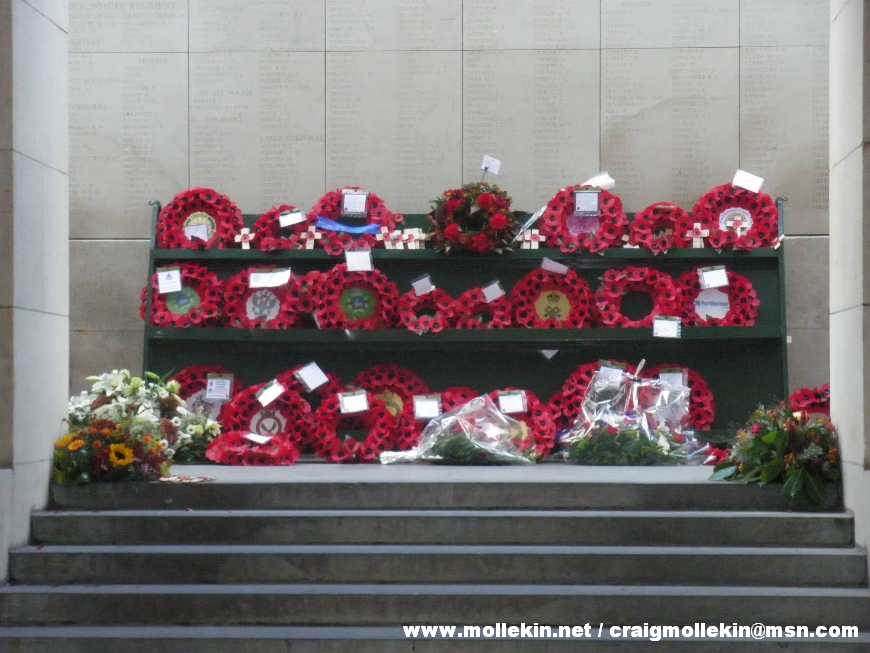
Menin Gate

Arthur Head is my first cousin, four times removed. He was born circa 1885 in March, Cambridgeshire and according to the 1901 Census was a Tailor’s Apprentice and lived at Park Road, Milnthorpe, Westmorland. Special thanks are owed to Trevor Higgins for writing the following text:-

Arthur was a member of the 2nd Btn Duke of Wellington’s Regiment, who in November 1914 were part of the defensive force positioned east of Ypres, attempting to stop further advances by the German forces. The British 1st Division, which included the Dukes, were confronted by 4 Btns of the German Grenadiers who were advancing through Polygon and Nonne Bosschen woods, (Nuns Copse) north of Gheluvelt village. On this front north and south of the Dukes, the British forces numbering 7800 men were confronted by 25 battalions of Germans totalling 17500 infantry.

Fighting was fierce and by midnight of the 11th the Duke of Wellingtons had lost 380 soldiers of on original figure of 826 rank and file, many killed during continuing bombardment from the Germans.

Menin Gate

Arthur’s body was never found and he is commemorated on the Menin Gate inYpres. The Memorial now bears the names of more than 54000 officers and men who have no known grave, and chosen in its present location because of the hundreds of thousands of commonwealth soldiers who marched that way through Ypres on their way to the many battle fronts.

This is a revised version of a post which was originally published on my WordPress Blog on 03/01/2010 and republished on Mollekin Portalite on 11/05/2011.

Harry Ernest Hall – War Casualty

Harry Ernest Hall is second cousin, thrice removed. He was born circa 1896 in Barnsley and according to the 1911 Census was a Coal Agent’s Clerk and lived at 22 Queens Road, Barnsley. Special thanks are owed to Trevor Higgins for writing the following text:-

Harry was a member of the 13th Btn York and Lancaster Regiment, the ‘Barnsley Pals’, which was part of the 31st Division, engaged in offensive operations in the Artois region of France, and more specifically to the east of Arras.

Oppy Wood and village were held by the Germans who would not give up the area, even after several bloody engagements which began on the 3rd May 1917. The casualties to both armies were costly, when they were engaged in the exchange of artillery barrage, and attacks and counter attacks by infantry.

On the 28th June at 7.10 pm, the 12th, 13th and 14th battalions of the York and Lancasters, together with the East Lancashire Regiment, launched an attack on Oppy Wood. A creeping barrage preceded the troops which was devastating on the Germans. The 14th on the right, and the 12th to their left, achieved their objectives with very few casualties. The East Lancashires met their objectives with losses of 10 killed and 74 wounded. The 13th 2 killed and 36 wounded. The wood was captured, and with attacks on Oppy village to the rear, the whole was a complete success.

Because the battle was over before midnight, we can presume Harry was one of the wounded, dying on the 29th. Other information suggests he was buried near the battle site, and re-interred within St Catherines Cemetery after the Armistice. St Catherines is situated in a suburb of Arras, and contains 339 soldiers.

This is a revised version of a post which was originally published on my WordPress Blog on 15/01/2010 and republished on Mollekin Portalite on 10/05/2011.

Maurice Gill – War Casualty

Napier Street

Maurice Gill is my third cousin, twice removed. He was born circa 1895 in Sheffield and according to the 1911 Census was a Farm Servant and lived at 144 Napier Street, Sheffield. Special thanks are owed to Trevor Higgins for writing the following text:-

Maurice was a member of the 1/4 York and Lancaster Regiment (Hallamshires) a Sheffield Battalion.

After protracted research, which has been difficult to trace where the regiment was at the time of Maurice’s death, it is concluded they were north of Ypres making offensive advancement to clear the area of pockets of German soldiers. No major offensive was taking place at this time, and it would appear the Hallamshires were engaged in skirmishes and small engagements with the enemy. Advancing east, just north of the city, fights took place and it appears Maurice was killed near Elverdinghe. His body appears to have been interred in a burial plot at Brielen.

Duhallow Advanced Dressing Station Cemetery, which is situated on the D369 out of Ypres to the north, was begun in July 1917, and after the Armistice, bodies were recovered from small cemeteries and burial plots around Ypres. The cemetery now has 1544 casualties buried there of which 231 are unidentified.

This is a revised version of a post which was originally published on my WordPress Blog on 17/01/2010 and republished on Mollekin Portalite on 10/05/2011.

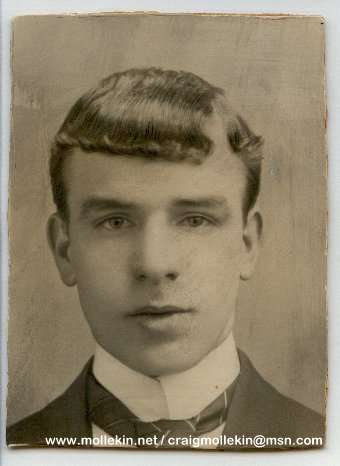
Willie Checkley – War Casualty

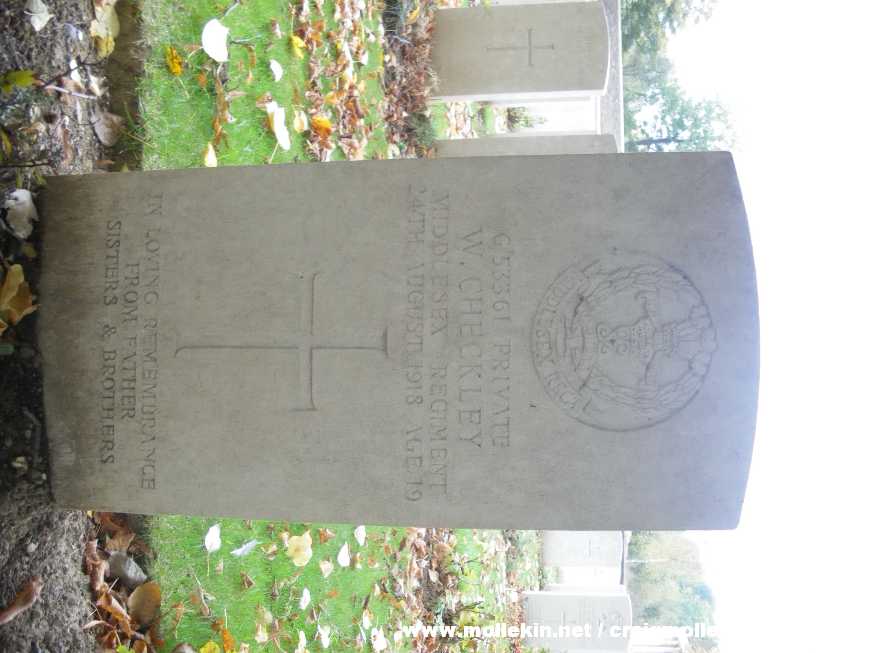
Headstone

Willie Checkley is fourth cousin, twice removed. He was born in 1899 in Sheffield and according to the 1911 Census lived at 31 Kirkstone Road, Hillsborough, Sheffield. Special thanks are owed to Trevor Higgins for writing the following text:-

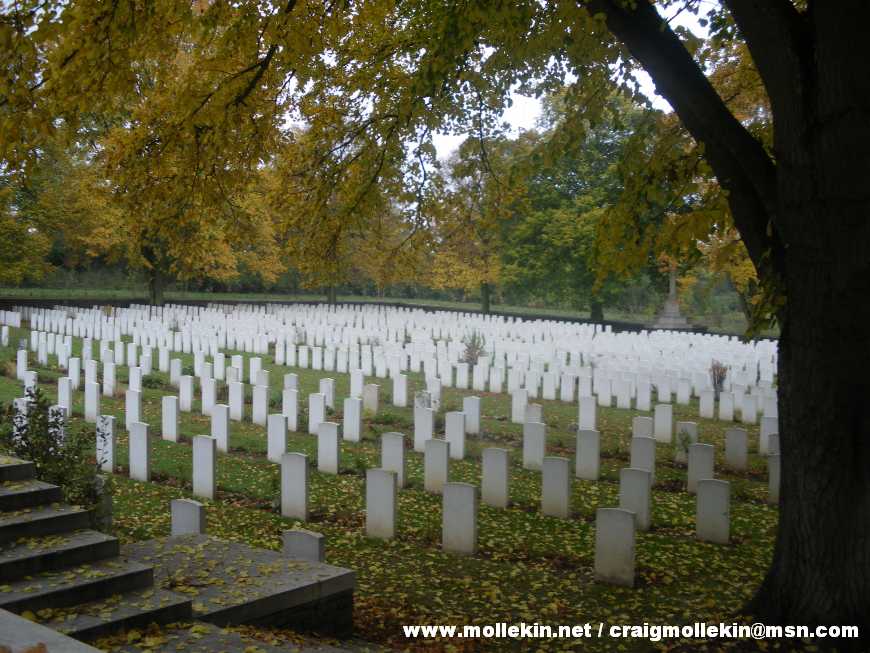
William, whose grave, is in Croisilles British Cemetery, fought in battles to take the Hindenberg Line which crossed Arrasand the northern area of the Somme, and was Germany’s last defensive line. Boyelles, Croisilles, and Bullecourt were three of the main attacks, commencing on the 24th August 1918. At the end of it on 28th August, the Division had lost 123 officers and 2381 other ranks. One can presume William was a member, and casualty, of this attack. The cemetery contains 1173 Commonwealth burials of which 647 are unidentified. A personal message marked on his gravestone states, ‘In loving remembrance from father sisters and brothers’.

Croisilles Cemetery

This is a revised version of a post which was originally published on my WordPress Blog on 10/09/2009 and republished on Mollekin Portalite on 10/05/2011.

Wilfred Higgins – War Casualty

Wilfred Higgins

Wilfred Higgins is my third cousin, thrice removed. He was born circa 1881 in Barnsley and according to the 1911 Census was a Colliery Labourer and lived at 10 Clayfield Road in Mexborough, South Yorkshire. Special thanks are owed to Trevor Higgins for writing the following text:-

Wilf was a member of the 2nd Btn Kings Own Yorkshire Light Infantry who arrived in France and was involved in the battles at Mons, Le Cateau, the Marne and in support of the Canadians in the First Battle of Ypres,at St Julian. On the 4th May 1915, the Btn was withdrawn from Ypres and were ordered to march to Hill 60 at Zwartleen. They were to assist in a counter attack to retake the Hill from the Germans.

Hill 60

Hill 60 was not naturally formed, but a spoil heap created by the Belgians in the construction of the Ypres to Comines railway line. It was named so by the British because it was 60 metres above sea level. Strategically, it was very important to anyone holding it because of the panoramic views of Ypres and the surrounding area. It had been taken from the French in 1914, and was fought for several times.

At 2.30 am on the 7th May, Wilf’s Btn. attacked the forward trenches of the Germans. and within 100 metres, 21 soldiers were killed, from machine gun fire. The btn pressed on taking the first trench after close combat fighting, and carried on forwards. As dawn broke it became evident that although the salient to the hill had been taken, the hill itself was still held by the Germans, and the British withdrew.

Menin Gate

The casualties for this attempt were 21 killed in action, 116 wounded and 40 were missing. Of all the soldiers killed in this action, and future ones, none of the bodies were ever recovered. They were buried in the trenches, both British and German alike, and remain in the soil today. Hill 60 is considered a mass war grave cared for by the CWGC.

This is a revised version of a post which was originally published on my WordPress Blog on 06/01/2010 and republished on Mollekin Portalite on 10/05/2011. Special thanks are also owed to Dawn Stancliffe for donating the photo of James for this post.

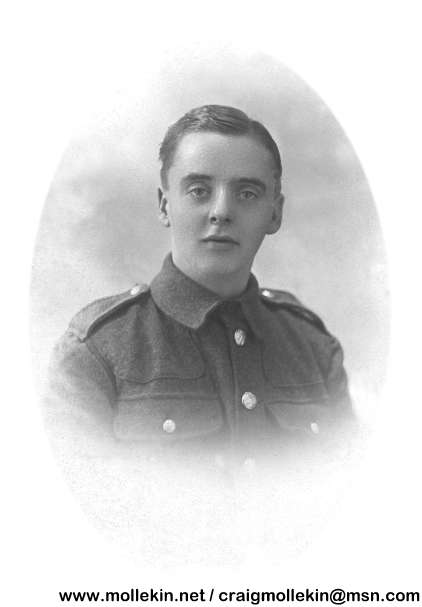
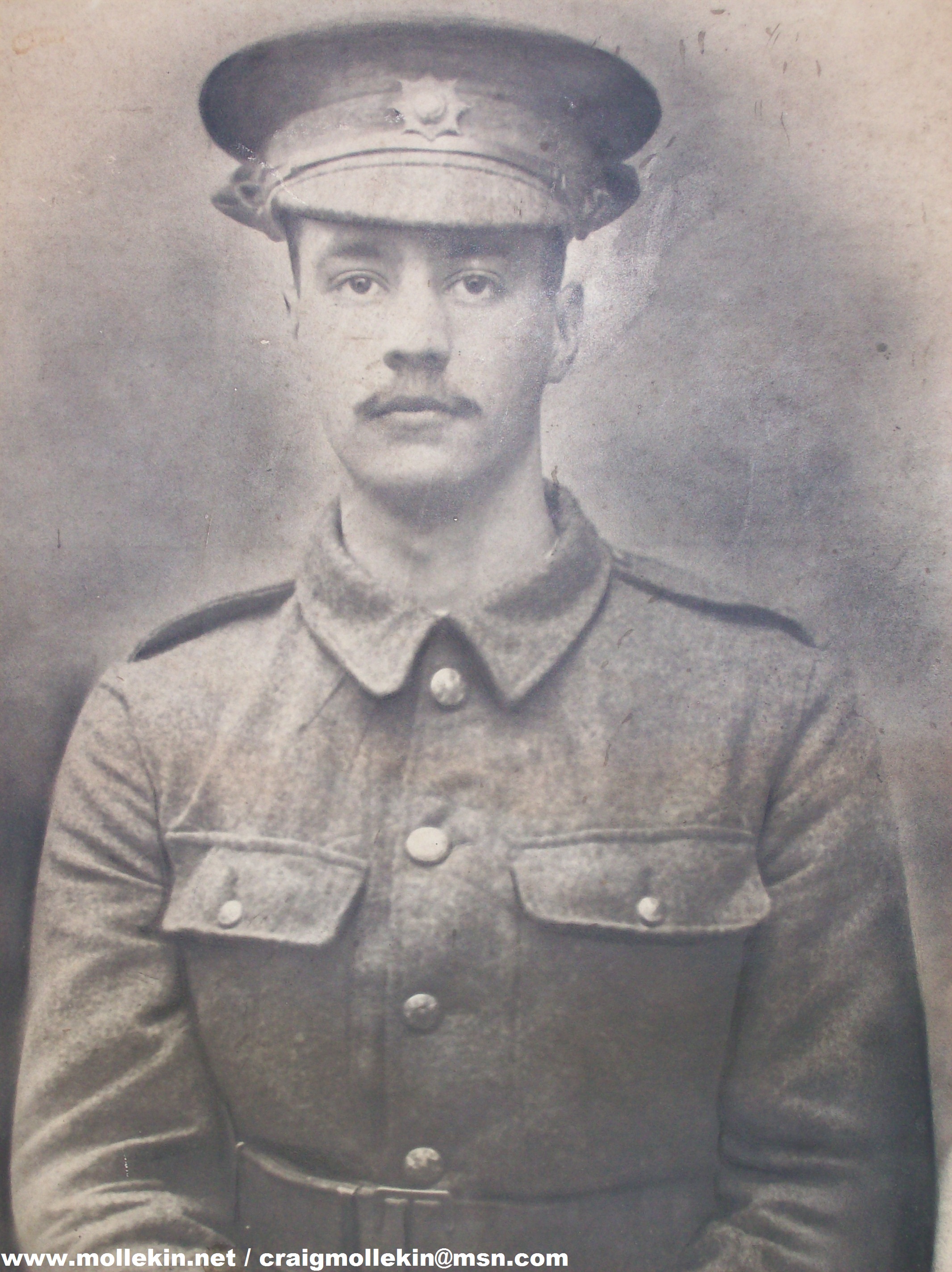
John Edward Berry – War Casualty

John E. Berry

John Edward Berry is my third cousin, thrice removed. He was born circa 1897 in Gawber, Barnsley and according to the 1901 Census, lived in the Wood Vale area of Dodsworth, Barnsley. Special thanks are owed to Trevor Higgins for writing the following text:-

John was a member of the 2/4th Duke of Wellingtons Regiment attached to the 62nd Division, who was attached to the attacking force intending to break through the Hindenburgh Line, positioned on the northern Somme near Cambrai. General Byng’s intention was to ’smash’ the line along a front extending for 12 miles. German intelligence, which was considered very good by all Allied Commanders, were fully aware of the impending offensive, and were prepared. Over 300 British tanks were deployed to assist the infantry. One of the infantry commanders refused to allow his troops to walk closely behind the tanks, thinking they would be killed as artillery targeted the tanks. His troops walked about 150 yards behind the tanks, and were quickly cut down by machine gun fire. The use of tanks was not a success, and by the end of the second day most were out commission.

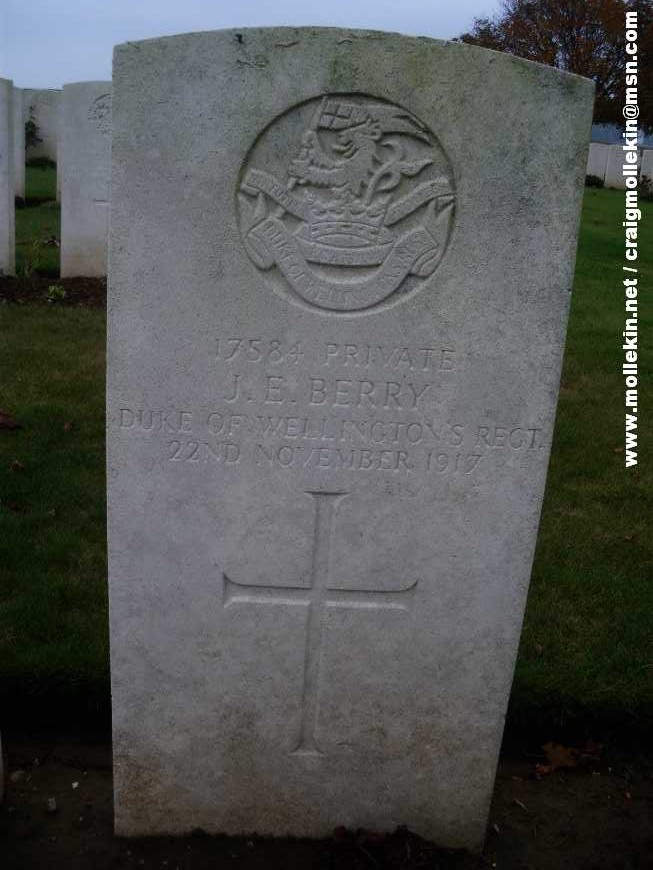
Headstone

The offensive commenced at 8pm on the 20th November, and the first 24 hours, the 62nd made good progress, taking the villages of Havrincourt and Graincourt, a distance of 5 miles behind the German line. On the second day they were halted near to Bourlon Ridge and dug in.

On the 22nd, the 62nd launched an attack on Bourlon Wood. The Germans had taken advantage of the British digging in on the ridge, and had reinforced their troops within the wood. Fighting was fierce, and the 62nd found it impossible to enter the wood. Some 4000 casualties were sustained, 180 tanks were out commission and the British were halted. By the 7th December all British gains had been lost except for a small area near Havrincourt. British losses in total exceeded 45.000.

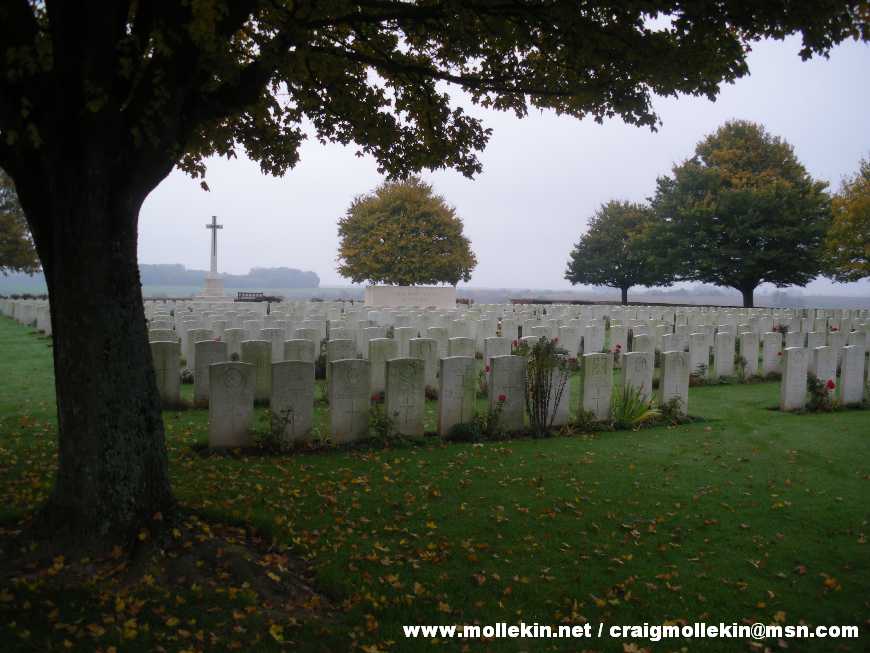
Roquigny-Equancourt Cemetery

John died on the 22nd, no doubt in the attacks on Bourlon Ridge or the Wood. The Roquigny-Equancourt Road Cemetery is situated 5 klms south of Havrincourt midway between the two villages after which it is named. The burials are of soldiers treated at Ytres CCS (4 klms south of Havrincourt). There are 1838 commonwealth burials within the Cemetery.

This is a revised version of a post which was originally published on my WordPress Blog on 30/12/2009 and republished on Mollekin Portalite on 10/05/2011. Special thanks are also owed to Trevor Wood for donating the photo of John for this post.

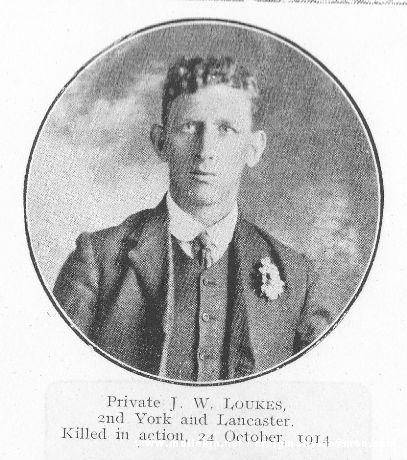
James Wilfred Loukes – War Casualty

James W. Loukes

James Wilfred Loukes is my third cousin, thrice removed. He was born in Sheffield and according to the 1901 Census was a Bricklayer’s Labourer and lived at 2 Little London Place in Sheffield. Special thanks are owed to Trevor Higgins for writing the following text:-

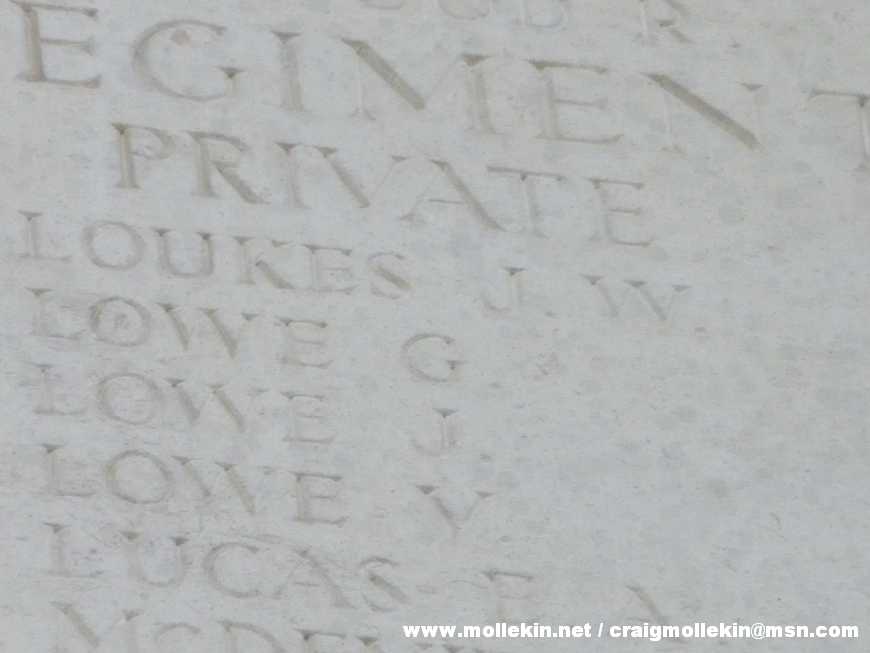
James is commemorated on the Ploegsteert Memorial, which is situated in Berkshire Cemetery, Ploegsteert, Belgium. The memorial contains 11,000 inscriptions of men who died within a defined area, who were never recovered. None of them died in a major offensive, but were casualties during daily trench skirmish, or small engagements in support of offensives taking place nearby.

Memorial

James was a member of the 2nd Btn York and Lancaster Regiment, which is recorded during the battle of Armentiere, as being part of an attacking force to capture Meteren, North West of Armentiere near the town of Bailleul. Bailleul has several large cemeteries with the greatest number of burials in each as ’known only to God’.

This is a revised version of a post which was originally published on my WordPress Blog on 06/01/2010 and republished on Mollekin Portalite on 09/05/2011. Special thanks are also owed to Mel Pack for donating the photo of James for this post.

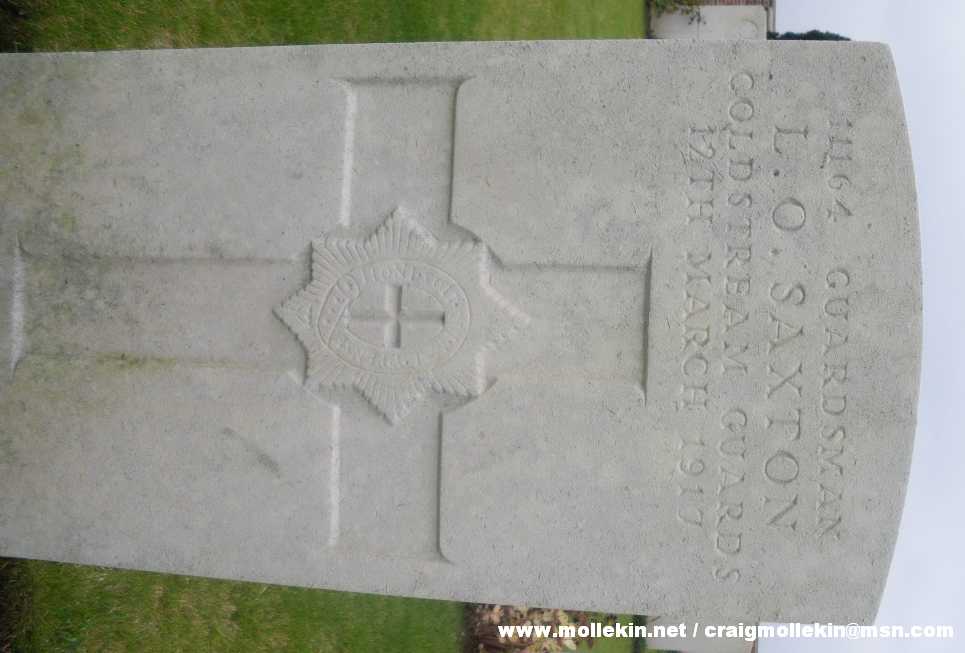
Leonard Osborne Saxton – War Casualty

Leonard O. Saxton

Leonard is my third cousin, thrice removed. He was born in Handsworth near to Sheffield in 1893 and lived in Park Lane, Handsworth on the 1901 Census. Special thanks are owed to Trevor Higgins for writing the following text:-

Leonard was a member of the 1st Btn Coldstream Guards, within the Guards Division.

In February 1917, the German army decided to withdraw from the Somme and retreat to the newly constructed and well defended Hindenburg line. Shorter than the Somme line, it was a series of broken trenches, deeply dug with enforced artillery and machine guns posts. The line was just being reinforced with troops from the Eastern front. In their withdrawal, the Germans caused as much damage as they could to hinder any possible pursuit by the British Army. Villages were destroyed, roadside tree’s cut down to create barriers, wells were poisoned and animals slaughtered.

When the British Army advanced in early March, they left the desolation of the Somme, entering green fields and forests. When leaving

Headstone

Bapaume, they could see the extended chalk banks of the Hindenburg Line about 5 klms in front of them. They were also confronted with pockets of well set German artillery and infantry, strategically placed to further hinder their advance, many Germans hiding in village houses and farm buildings, totally unseen by British forces.

Advances were commenced 10th March, when the Guards Division, together with ANZAC troops, fought for the occupation of villages to clear them of German troops. Their advance was initially slow because of the number of hamlets and villages held by hidden Germans. It is possible Leonard was killed just south of where he is now interred. The cemetery was made after the armistice in 1918, and it is known that 62 members of the foot guards were taken from smaller cemeteries at Charing Cross and Hebule, south of Sailly-Saillisel village. The cemetery now contains 471 commonwealth soldiers.

This is a revised version of a post which was originally published on my WordPress Blog on 05/01/2010 and republished on Mollekin Portalite on 06/05/2011. Special thanks are also owed to Sheila O’Brien for donating the photo of Leonard for this post.

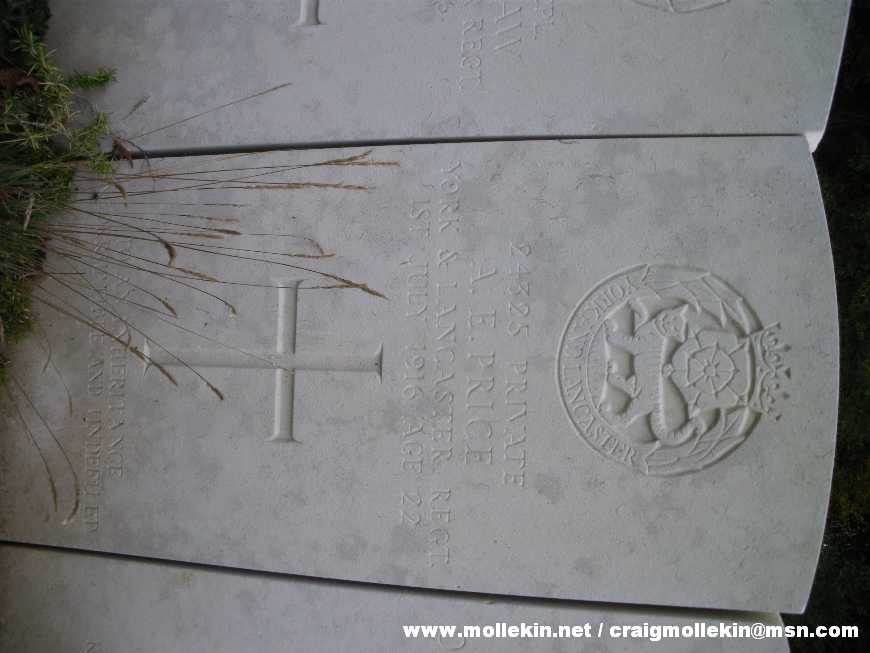
Ernest Alfred Price – War Casualty

Headstone

Ernest is my first cousin, twice removed and son of Amelia Pinder and Alfred Thomas Price.

Ernest was born in Sheffield in 1894 and lived in the Kimberworth area of Rotherham. Five years prior to his death in 1911, he was a Glass and China Shop Assistant.

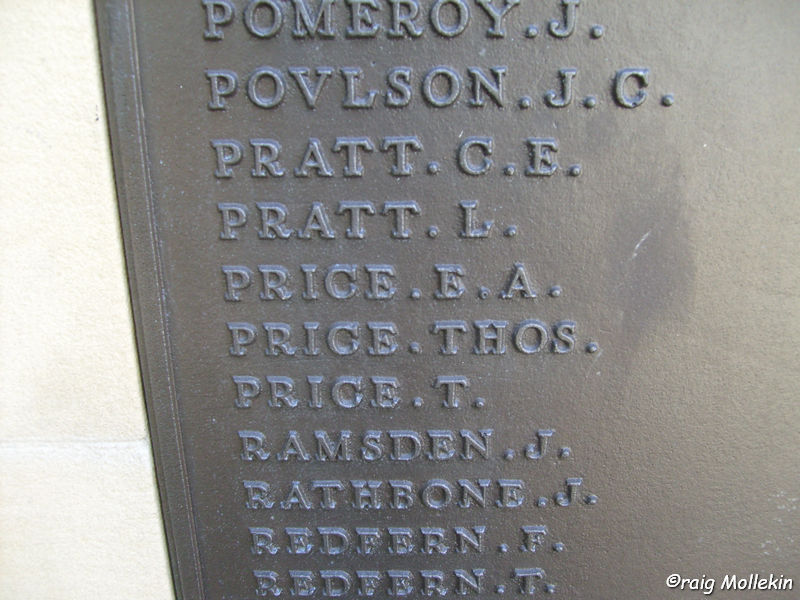
Ernest is remembered in his home town on the cenotaph in Clifton Park, Rotherham.

Special thanks are owed to Trevor Higgins for writing the following text:-

Ernest was a member of the 8th btn York and Lancaster Regiment, which was formed from men of the same geographical area at Pontefract. It was a regiment never given the ‘Pals Battalion’ title as were many other locally formed regiments.

Blighty Valley Cemetery, Authuile Wood  (Copyright Trevor Higgins)

Blighty Valley Cemetery

The 8th were part of 70th Brigade and assigned to the Western Front of the Somme. On the night of the 30th June 1916, the soldiers of the battalion were located to trenches between Authille Wood and Ollivers . Their orders were to take the village of Ollivers when the attack was launched at 7.30 am on the 1st July.

The attack did not go well and many men were killed almost immediately. Those that remained, 70 of them, actually reached the third line of defence of the Germans, but none ever returned. Of those left defending the first trench, including members of the KOYLI Regiment, stood their ground until eventually overwhelmed.

war-memorial-clifton-park-rotherham-01-06-14-9

Rotherham War Memorial

Of 680 soldiers and 23 Officers, only 68 remained to return to the rear.

The Battle of the Somme is written in history as the greatest military loss in one day of conflict, some 19857 men killed or missing. It has also been suggested it was never a battle designed to win but, a campaign to cause the Germans to withdraw troops from Verdun in the south to defend the Western Front. Whatever the reason the battle was bloody and sacrificial. German losses were described as ‘the muddy grave of the German Field Army.’

This is a revised version of a post which was originally published on my WordPress Blog on 10/01/2010.

Recollections of Rotherham, South Yorkshire

Francis Pinder (2)

Francis Pinder

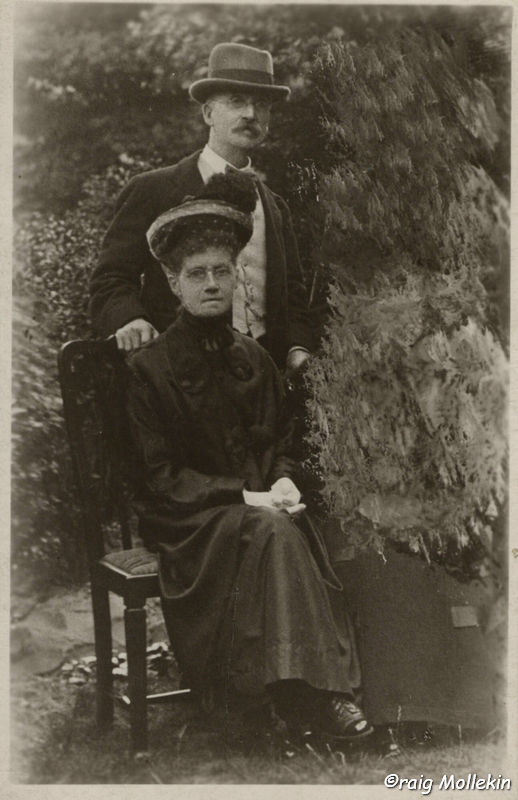
Francis Pinder is my second great grandfather. He was born in 1846 to parents, Thomas Pinder and Mary Shackleton. In 1867, he married Hannah Berry, daughter of Luke Berry.

Francis and Hannah issued eight children who were called, Amelia (1868 to 1924), Matthew Henry (1869 to 1922), Edith (1872 to 1958), Beatrice (1875 to 1958), Francis Clement W. (1879 to 1881), Winifred (1882 to 1956), Francis Thomas (1884 to 1951) and Margaret (1886 to 1974).

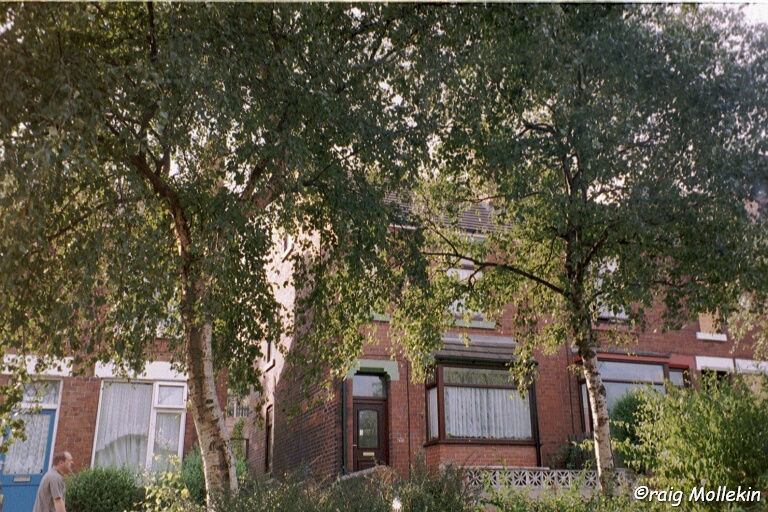
For around thirty years, Francis and his family resided at 45 Carlisle Street, Rotherham. Francis was known as ‘Granda’ by his grandchildren and he would teach them music in 45 Carlisle Street. Hannah had a lovely soprano voice.

Hannah died in 1924:-

THE ADVERTISER, SATURDAY, MARCH 1, 1924
carlisle-street-rotherham-no-45-13-08-03-4

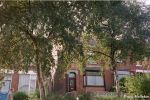
45 Carlisle Street

PINDER. – On Feb. 28, Hannah, the beloved wife of Francis Pinder, aged 78. Interment at Rotherham Cemetery today (Saturday). Service in Talbot Lane Chapel at 2.15 p.m.

In his later years, Francis’s recollections of Rotherham during his long lifetime featured as newspaper articles when interviewed by the Sheffield Independent (1920) and the Express (1929). These articles were based on Francis’s own memoirs. Below is a fascinating transcription of Francis’s recollections of Rotherham which featured in the Express along with his obituary.

EXPRESS – 16TH MARCH 1929 – MR. FRANCIS PINDER – RECOLLECTIONS OF LONG AGO

Bethel  Road, Rotherham (no. 84) - 24.06.07 (1)

84 Bethel Road

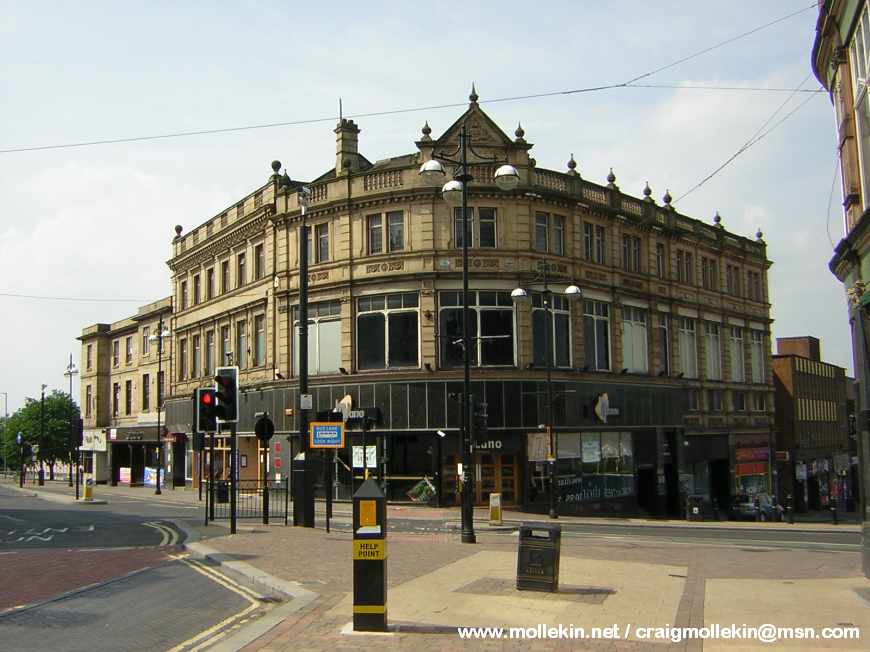
On calling at 84 Bethel Road, Rotherham, on Tuesday afternoon, to congratulate Mr. Francis Pinder on his eighty-third anniversary of his birth, a representative of this newspaper had a hearty reception and heard some interesting reminiscences. Mr. Pinder is hale and hearty. His birthday, by the way, is also the anniversary of the disastrous Sheffield flood. He remembers viewing from Chantry Bridge all kinds of wreckage floating down the river, even dead bodies.

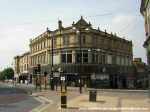
Mr. Pinder is a native of Rotherham, and was born at the top of Westgate, in Needham’s Yard. This site is now occupied by the chemist shop of the Rotherham Co-operative Society.

He recollects being sent to Mrs. Dransfields’ school in Westgate, just beyond Water Lane. The school was combined with a living room, and a sweet shop. One of the things that impressed him was a boy standing on a form with a long conical shaped dunce cap on his head.
Rotherham Cooperative Society - 03.06.07 (1)

Cooperative Society

The recreation ground was round the old Butter Markets and in the open Church Yard, which was without rails at that time.

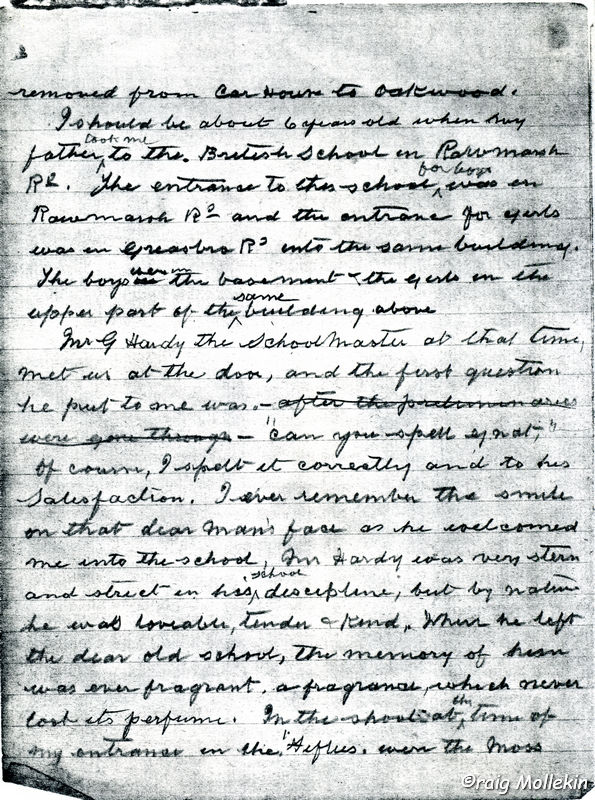
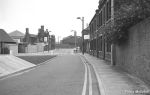
When about six years old, Mr. Pinder was taken by his father to the Old British School, in Rawmarsh Road. The entrance to this school for boys was in Rawmarsh Road whilst that for girls was in Greasbrough Road.

There are very few persons living to-day who received their education at the Old British School, but Mr. Pinder retains a wonderful recollection of events at that time.

On entering the school he was presented to the late Mr. G. Hardy, whose first question to the new scholar was, “Can you spell ‘gnat’”? The master was agreeably surprised when he began the word with ‘g’. A little further along the road stood the house where the Corn Law Rhymer, Ebenezer Elliott, lived. The old school buildings are now in the hands of Messrs. Mappins Brewery.
reminiscences-by-francis-pinder-page-four

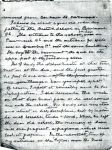
Francis’s Reminiscences

SUCCESSFUL SCHOLARS

Of the scholars who attended that famous school rose to important positions in after life. For instance, there was the Moss Brothers; George, the eldest, became a draughtsman at Messrs. Yates and Haywood’s Effingham Works; John was appointed clerk to the Sheffield School Board; Benjamin succeeded to the nail manufacturing business conducted by Mr. Favell, of Westgate; and Charles Herbert became a partner in the firm of Hart Moss and Co., chartered accountants. Others were Joshua Ward, who at one time was principal of the Academy in College Road; James Webb, who was the lead master of a school at Carbrook; William Badger, who had an engineering business at Masboro; John Earnshaw, afterwards Canon Earnshaw, of Bradford; Charles Whitely, who afterwards became a member of the Sheffield City Council; and Samuel Liversidge, who became a partner in the firm of Messrs. J. and R. Corker, stove grate manufacturers. Mr. Pinder does not know how many of these old school ‘chums’ are still living.

Westgate, Rotherham - 30.01.05 (2)

Westgate

Among the patrons of the school was a Mr. Taylor, who looked in occasionally and addressed the scholars. He resided in a house opposite the school, the side of the present Thatched House. This residence had pleasant gardens which overlooked the silvery Don – a different river from what it is today. Another gentleman, who sometimes paid a visit, was a Mr. Habershon, a member of the family who at that period lived at ‘Northfield House’ in Greasbrough Road. The Moss family and Pinders were neighbours. A little further beyond at Car House, lived another supporter of the school – Mr. James Yates.

Music was a special feature of the school course in the ‘fifties’, and Mr. Pinder recalls a fine paraphrase of the 23rd Psalm by Dr. Watts, which was sung to double chant. Mr. Pinder also recalls the war breaking out between England, Turkey and Russia, known as the Crimean War, which lasted from 1854 to 1856.
rawmarsh-road-rotherham-copyright-colin-leonard-1969-2

Rawmarsh Road

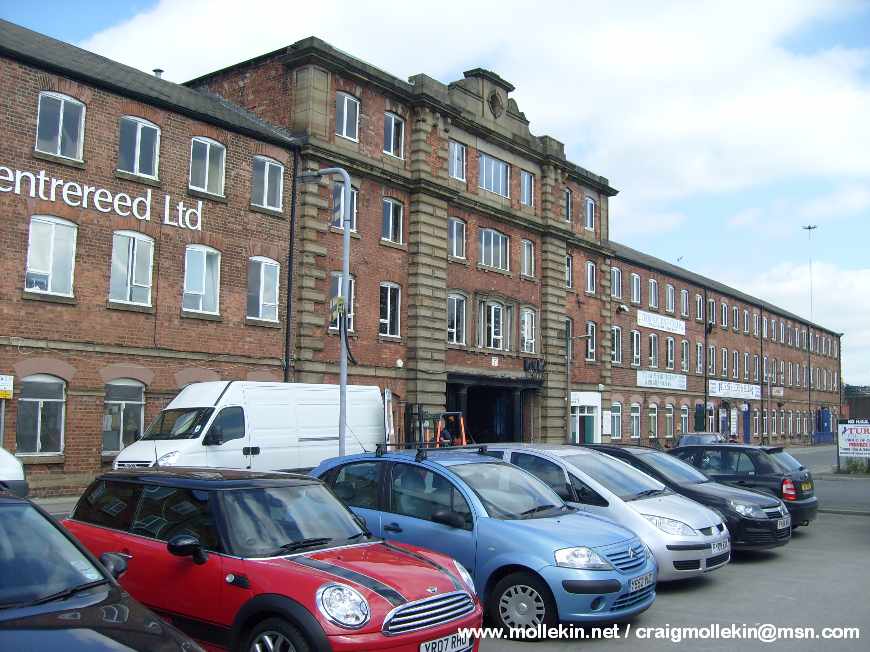
As a boy he went to work for Messrs. Yates, Haywood and Co., stove grate manufacturers. He was employed by the firm for a very large number of years.

He has recollections of Rotherham when it was very different from today. Spaces now occupied by works and houses were then part of a country district with hedgerows dividing green fields. There were the old houses in Pigeon Lane, and the windmill and Moorhouse’s farm. The post office was halfway up High Street, on the left hand side approached by steps. There was a Corn Exchange and a butter marker on the site of the works of Messrs. Guest and Chrimes.

Mr. and Mrs. Pinder were married at Talbot Lane Wesleyan Chapel in June, 1867, by the Rev. Benjamin Smith. The late Mrs. Pinder, it is interesting to note, was the daughter of the late Mr. Luke Berry, who supervised the erection of the engines, still running, at the Frederick Street Pumping Station. Mr. Berry was then appointed waterworks engineer of Rotherham, a position he occupied for many years.
hannah-berry-francis-pinder

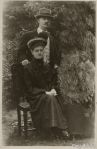
Francis & Hannah

MUSICAL APPOINTMENTS

Mr. Pinder has had an interesting musical career. At the age of sixteen he was organist at the Wesleyan Chapel, Whiston. Between the ages of 18 and 20 he was organist at Rawmarsh Congregational Church. A galaxy of youthful talent could be found in a juvenile choir at Rawmarsh, among the members belong Mr. Thomas Brameld, then a boy; Mr. G. Harrison, and Mr. William Walker, Mr. Edwin Ball and his two sisters.

After his marriage, Mr. Pinder went to Doncaster Road Congregational Church, where his father was one of the deacons. He was thirty years in the choir of Doncaster Road Congs. (1867 to 1897) and for twenty of those years was choirmaster and organist.
Doncaster Road Congregational Church, Rotherham - 19.08.07 (1)

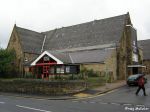
Doncaster Road Congregational Church

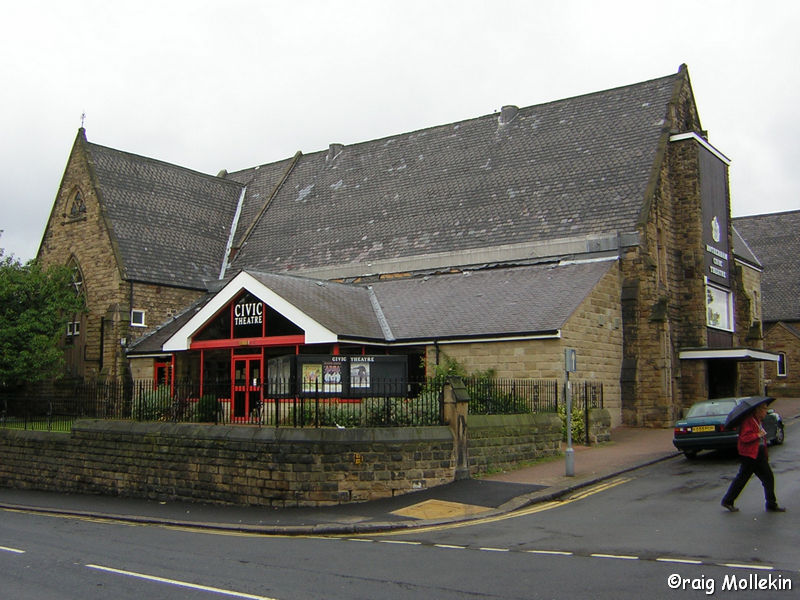
For four years he was choirmaster at Talbot Lane Wesleyan Church, and then an infirmity compelled him to retire. It was during this period that the old Talbot Lane Wesleyan Church was destroyed by fire, which originated in the organ loft while the instrument was undergoing repairs. Mr. Pinder, at the time of the outbreak, was conducting a rehearsal, practising the children for the anniversary, and they were actually singing one of Mr. Pinder’s own tunes while the church was on fire over their heads. Mr. Pinder is the author of a large number of tunes, including ‘When Spring unlocks the flowers’, ‘Work for all’, ‘To the paradise of Jesus’ and ‘O’ these flowers’. A good deal of his music was sung in Swinton Church and Kimberworth Road Congregational Church. He took an active part in connection with the choral societies of the past “in the sixties, seventies and eighties’. Mendelssohn’s ‘Hear my Prayer’ was given for the first time in Rotherham during his choir mastership of the Doncaster Road Church, and by the same choir Mozart’s 12th Mass was given in the Mechanic’s Hall.

Yates and Haywood, Rotherham - 28.05.09 (8)

Effingham Works

Mr Pinder was a member of the old Rotherham drum, flute and fife band. The practices of this band were held in the ante-room adjoining the large hall of the old Mechanic’s Institute. Mr. Pinder was about the youngest member, and is now the only remaining flautist of this once well-known musical organisation. He joined when ten or twelve years old, and when Mr. Bakewell was bandmaster. After a while Mr. Bakewell relinquished the position, which later on was taken up by Mr. John Jessop, who was a fine musician and flautist. He was a member of a family of musicians. His father had a painting business near to the old ‘Angel Inn’ and his sons assisted him. Other members of the band, in addition to John Jessop and his two brothers, were Mr. William and Mr. Samuel Haywood, who were employed at the Effingham Works; Mr. Alfred Holdsworth and his elder brother William (Alfred had a music shop in Wellgate) and two Jarvises – the late Mr. H. Jarvis and his late brother John, who met with a fatal accident in his early manhood.

talbot-lane-church-rotherham-03-08-08-1

Talbot Lane Church

It was Mr. Pinder’s privilege in the practices to play along with Mr. J. Jarvis, and they each played the B flute. There were also men bearing the names of Burns, Grafton and Graham in the band. Mr. J. Jessop and Mr. W. Haywood often entertained the audiences at the popular ‘Penny Readings’ which were held on Saturday evenings at that period.

The old band gave great pleasure to the townspeople when they paraded the street in uniform, which consisted of light trousers with a yellow broad braid at the side and with a special cap. It is Mr. Pinder’s belief that there has not been a band to equal it since those days. They gave the melody and the parts also, for the band consisted of piccolos, B flutes, F flutes, and C flutes, together with side and large drums.

CHAPEL ON THE BRIDGE
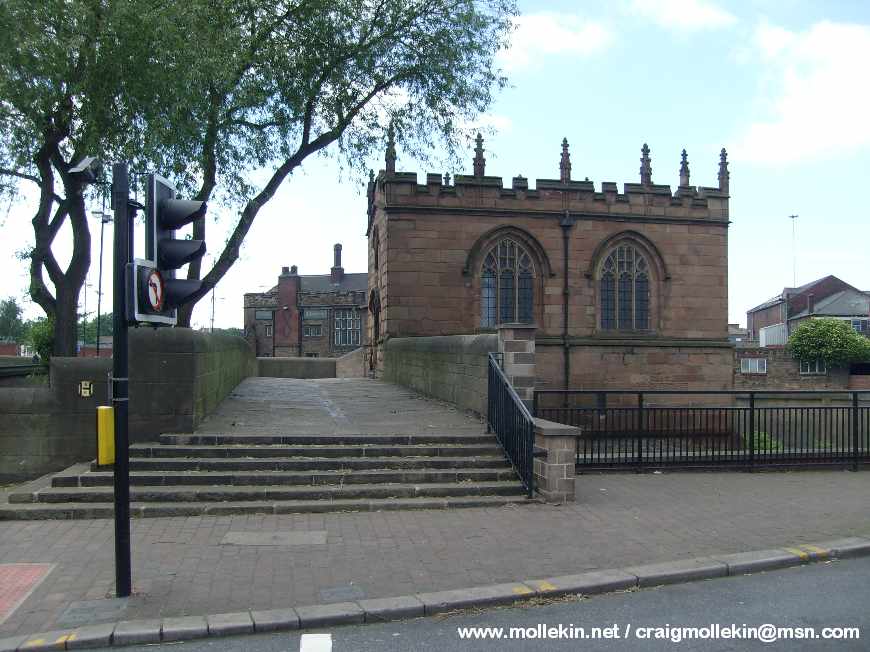
Chapel of our Lady on the Bridge, Rotherham - 28.05.09 (2)

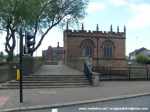
Chapel on the bridge

In view of the working on the Chantry Bridge at present, it would perhaps be appropriate to give a few particulars of Mr. Pinder’s remembrance of the old shrine and the bridge some 70 years ago.

He remembers well the iron railings that stood on the bridge, near to the late buildings of Mr. Thompson, the clothier, which were replaced afterwards by a stone wall. As a youngster he frequently got over the railings and dropped on to the embankment of the river below, making his way through an entrance into a subterranean passage, which led out on the other side of the bridge near the old ‘Bridge Inn’ premises, looking on to the river. This subway, Mr. Pinder believes, was useful in relieving the pressure of water against the bridge when the river was in flood.

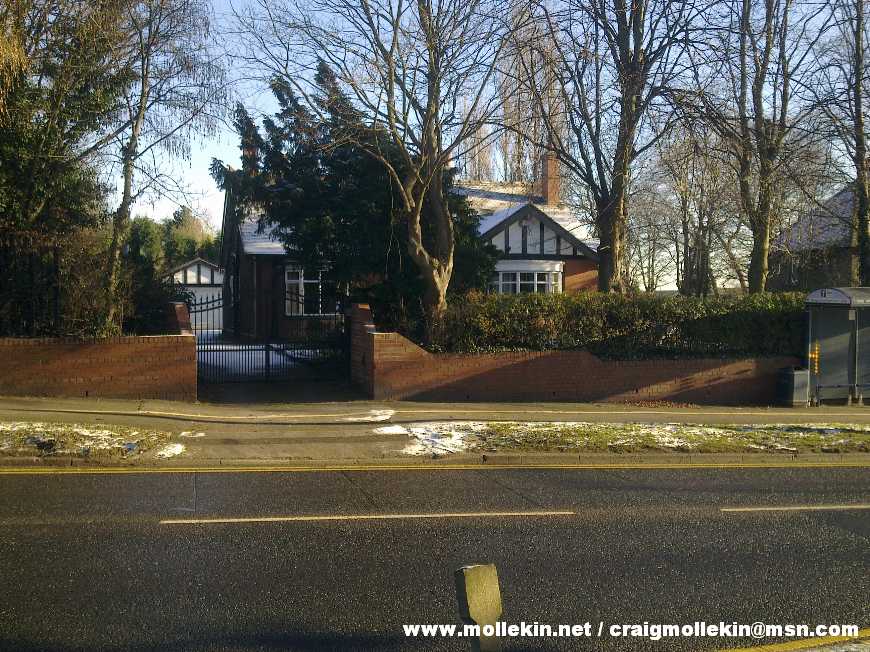
100104 - Moorgate Road (Wyvenhoe), Rotherham (3)

Wyvenhoe

He recollects the custom that was in vogue then of exacting a toll once a year from all vehicles that passed over the bridge – a toll which went into the coffers of the Howards of Effingham, who were lords of the manor of Rotherham. At that period the old chantry was used as a jail, and Mr. Pinder has seen prisoners gazing through small barred windows of the cell, looking for some commiseration from the passer-by.

It was a common occurrence to see the devotees of Izaak Walton standing on the bridge with rod and line fishing into the waters of “the silvery Don” below. The waters at that time were so clear that one could see the fish as one looked over the bridge wall. On the right-hand side of the chapel there was a notice board, announcing that any person found fishing in the waters without permission would be prosecuted to the “utmost rigour of the law,” as the legal phrasing had it. A further sacrilege was perpetrated when the jail was converted into a tobacconist’s shop.
Moorgate Cemetery, Rotherham - 13.07.09 (4)

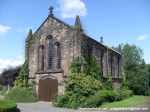
Moorgate Cemetery

It is now a gratification to know that the misuses of the old chapel have some to an end, and that it has at last been restored to its former grandeur. It is no doubt a fine asset to the town, because of its unique character.

THE ADVERTISER, SATURDAY, 10TH, 1935.

DEATH OF FORMER ROTHERHAM CHOIRMASTER.

The death occurred on Tuesday morning, at the home of his daughter, Mrs. Charles of Mr. Francis Pinder.

Mr. Pinder, who was for 66 years a respected employee of Messrs Yates, Haywood and Co., retiring about 13 years ago, was 89 years of age. Until a few years ago he was well known in local musical circles, having been choirmaster at Rotherham Congregational and Talbot Lane Methodist Churches. He was also a reputed organist and music master.
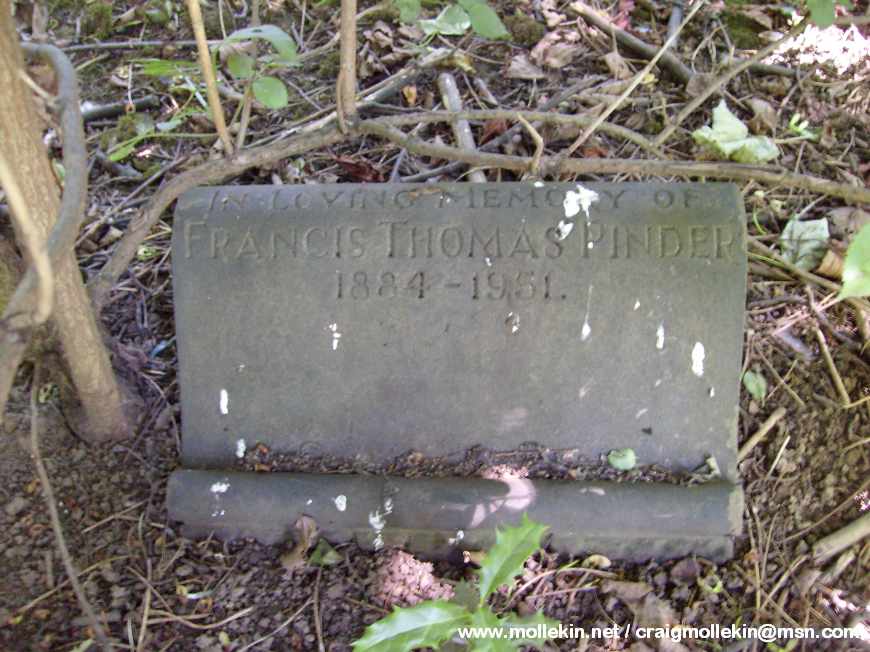
(Grave No. 71) Moorgate Cemetery, Rotherham - 24.06.09 (8)

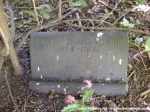
Francis’s headstone

Mr. Pinder had been an invalid for about six years,

The interment took place in Moorgate Cemetery on Thursday morning, the Rev. Victor Watson conducting the service.

This post was originally published on Mollekin Portalite on 04/05/2011 and revised on Week 42.