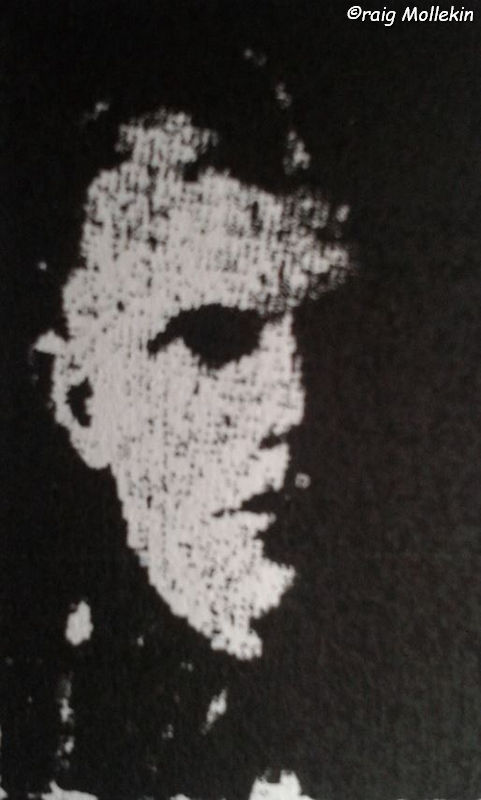
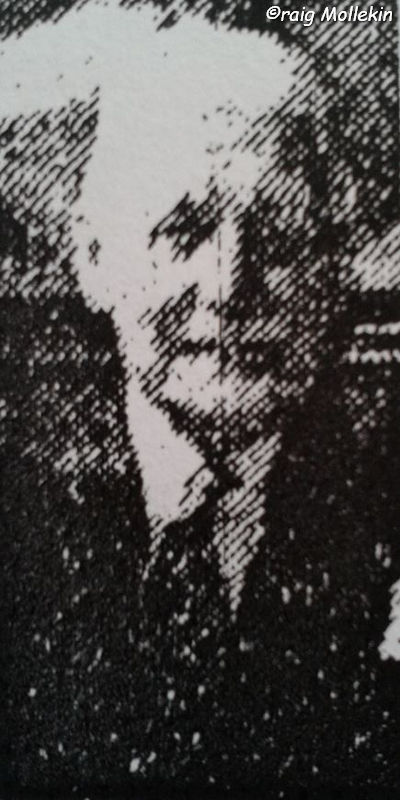
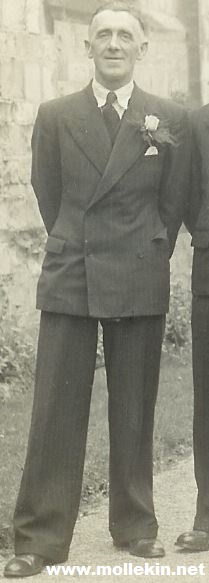
Edwin Barron

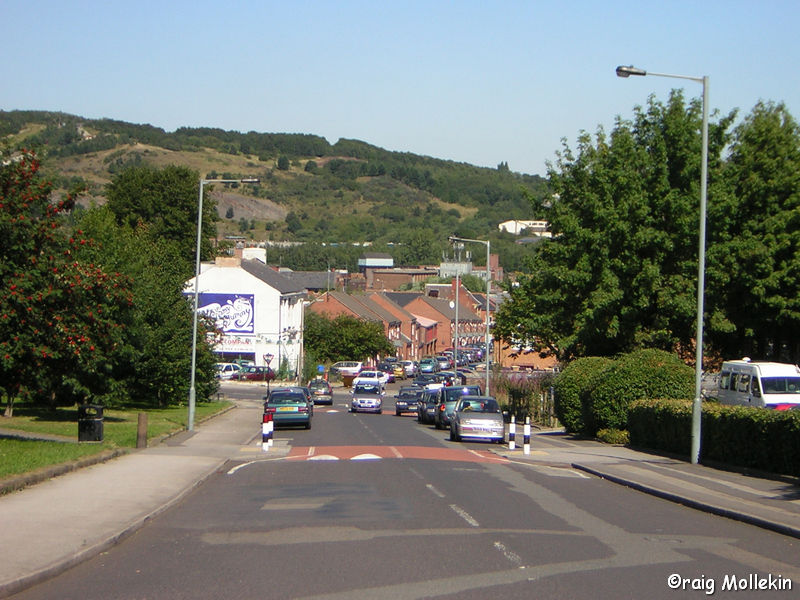
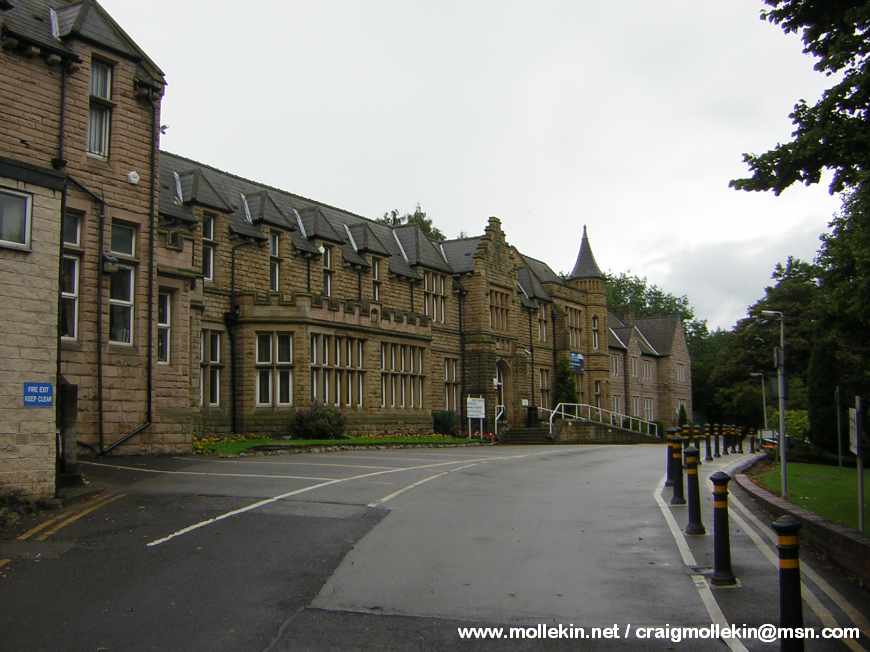
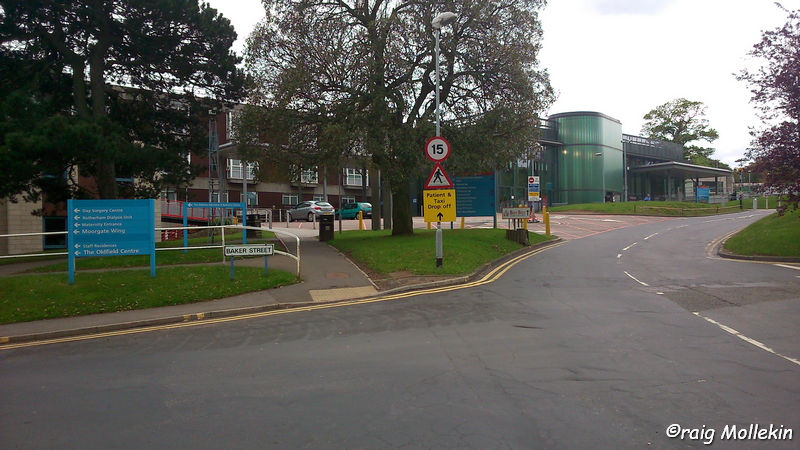
Don Street, Rotherham - 24.11.08 (1)

Don Street

Edwin Barron married my second cousin, twice removed, Jennie Jarvis, in 1926. Edwin and Jennie issued two children together, called, Edwin and Peter.

THE ADVERTISER, SAT., NOV. 26TH, 1960

LOCAL SCRAP FIRM CHAIRMAN DIES, AGED 83

MR. EDWIN BARRON, chairman of a local scrap metal firm, of 72, Wickersley Road, Rotherham, died at his home on Monday, aged 83.
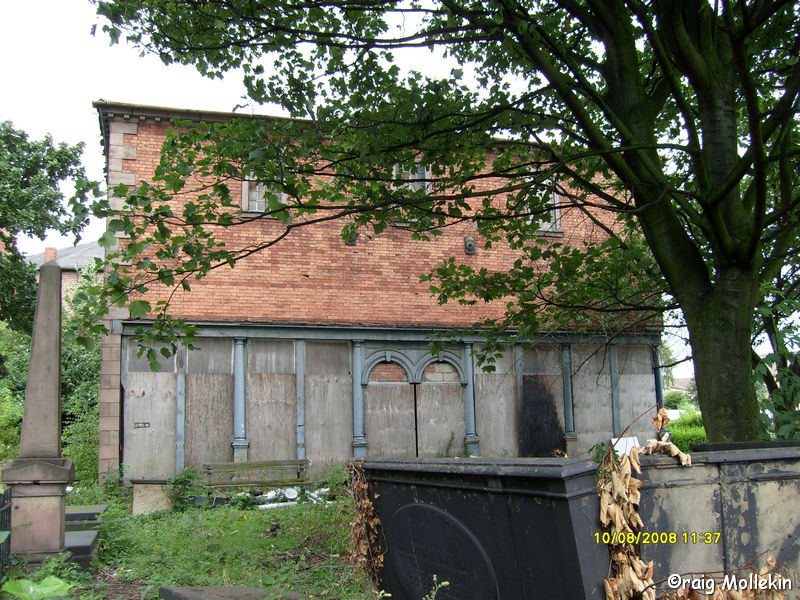
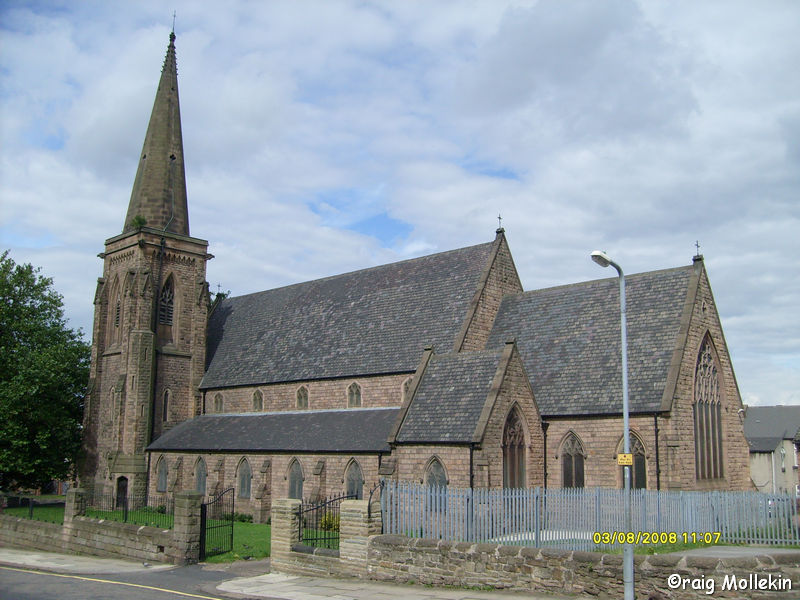
Masbrough Independant Chapel, Rotherham - 10.08.08 (11)

Masbrough Independent Chapel

Mr. Barron inherited the scrap metal business from his father. In 1948 it was formed into a limited company, known as E. Barron and Sons Ltd., together with his two sons, Mr. Edwin Barron and Mr. Peter Barron. The firm’s headquarters are at Don Street, Rotherham.

He was a member of the Sitwell Park and Thrybergh golf clubs, and of the Rotherham Golfers’ club. He was also a member of the Rotherham Unionist Club.

Cremation took place yesterday at Sheffield, following a service at the Masbro’ Independent Chapel, conducted by the Rev. W. Unsworth.

The family mourners were Mr. and Mrs. E. Barron (sons and daughters-in-law), Miss M. Barron, Miss A. Wilson, Mr. M. Barron (grand-children), Mr. G. Jarvis, Mr. and Mrs. S. Jarvis (brothers-in-law and sister-in-law).

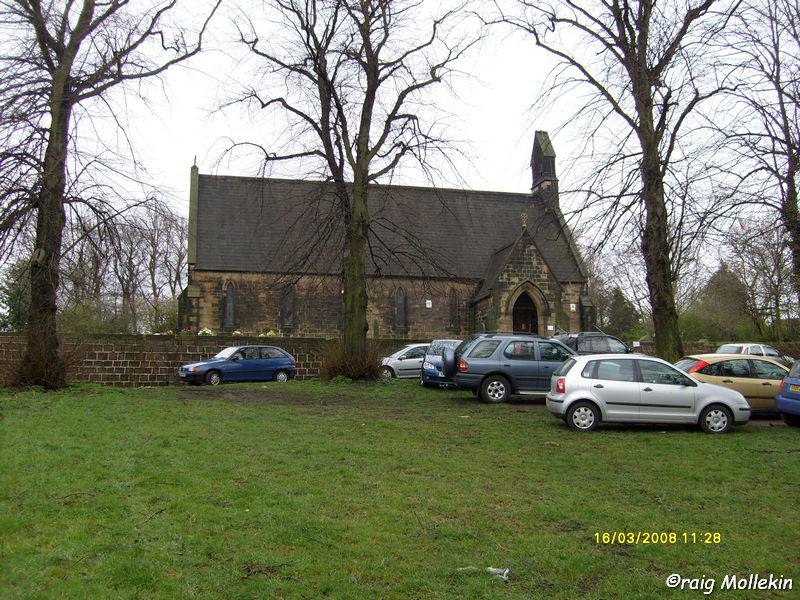
City Road Cemetery, Sheffield (Crematorium) - 14.11.08 (4)

Sheffield Crematorium

Among the mourners were: Mr. W. Hague (representing C. R. Hague and Co. Ltd., Sheffield), Mr. A. Leigh, J.P., and Mr. F. Allott (representing Allott Brothers and Leigh Ltd., also Mr. E. A. Smith), Mr. L. G Ellis (representing the firm of L. G. Ellis), Mr. and Mrs. G. Millson (representing Millson Brothers), Mr. G. H. Boulton (representing the Rotherham Town Cricket Club), Mr. T. Chambers, Mr. F. P. Enright, Ald. L. J. Tarbit J.P., and Mr. F. D. Sidwick (representing the Rotherham Golfers’ Club), Mr. W. Charles (representing the Rotherham Steel Strip Company Ltd.), Mr. G. T. Spearing (representing the Sitwell Park Golf Club), Mr. J. H. Dickinson, J.P. (representing “The South Yorkshire and Rotherham Advertiser”), Mr. B. Cutts (representing Deans Electrical and Engineering Company Ltd., also Mr. J. Booth (representing Col. W. J. Nutter, Wentworth Estates Company).

Mr. H. H. Styring (also representing Mr. C. Hoskins), Mr. and Mrs. R. V. Hobson (also representing Mr. and Mrs. W. Sides), Mr. and Mrs. R. Bird, Mrs. R. Roberts, Mrs. G. Kniveton, Mr. and Mrs. R. Wormald, Mrs. C. A. Birkett, Mrs. P. Ellse, Mr. A. Noble, Mr. C. D. Burgess, Mrs. G. Brooks, Mr. T. Maw, Mr. A. Coates, Mr. and Mrs. H. S. Downing.
An Unpleasant Experience In Conisbrough

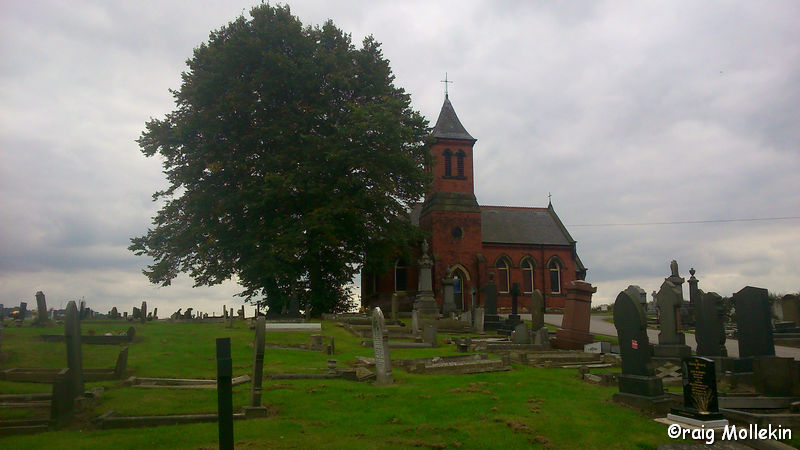
Cemetery, Conisbrough - 02.09.14 (16)

Conisbrough Cemetery

The Jacobs family features in my pedigree and is becoming an increasingly large tree. Research conducted indicates that they were living in the Cambridgeshire region since at least the early 1600s. They mostly worked as agricultural labourers but a couple of branches in the late 1800s and early 1900s decided to try their luck in the north, presumably because of the plentiful and relatively well-paid jobs.

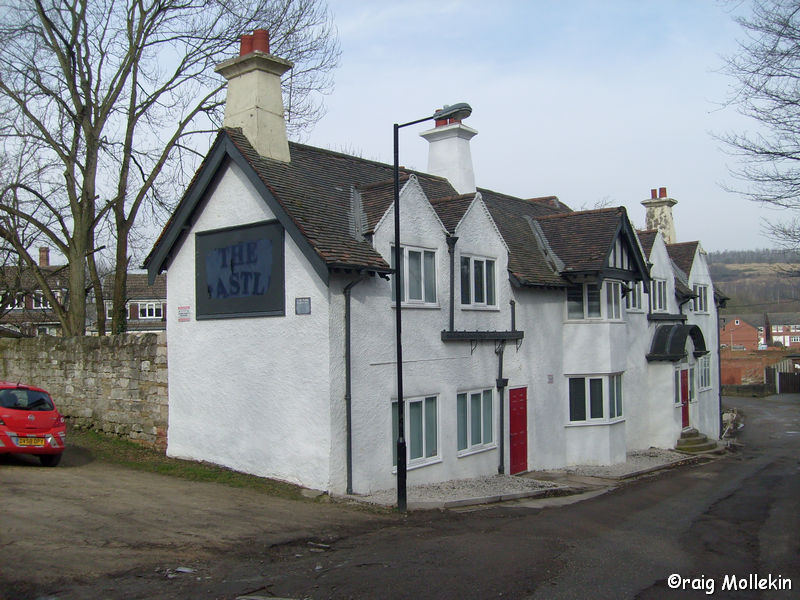
Castle Inn, Conisbrough - 12.03.15 (6)

Castle Inn

My second great grandmother (Eliza Ann Jacobs) along with her family moved to Rotherham in 1902 and settled there. Eliza’s uncle had settled in Wombwell in South Yorkshire, previously, in the 1870s but by 1901 was back in Cambridgeshire. Two of his children stayed in South Yorkshire however. The newspaper article below pertains to one of Samuel’s sons who was called Samuel Charles Jacobs. I’d been unable to find him on the 1911 Census but a cousin recently informed me that he had died in Conisbrough in South Yorkshire in unusual circumstances:-

MEXBOROUGH AND SWINTON TIMES, SATURDAY, JANUARY, 27, 1912

131 - Conisbrough Cemetery (Burton, Jacobs, Sylvester) - 03.07.14 (11)

Unmarked Jacobs grave

UNPLEASANT EXPERIENCE. – Mr. G. Jacobs, the landlord of the Castle Inn, had a rather unpleasant experience towards the end of last week. On the Thursday evening, about 7-20, his brother in a practically destitute condition, put in an unexpected experience. It was soon found out that he had been scouring the country for the past 12 months, and a warrant was out for his arrest on account of his neglecting his wife and family at Chesterton, in Cambridge. He was apparently, in a broken-down state, and said he had come to die. New clothes were given to him, and he retired about nine o’clock. After a restless night he rose shortly after ten o’clock next morning, and medical aid was summoned. He expired, however, shortly after three o’clock on Thursday afternoon while sitting in a chair, about an hour after he had received medical attention. The funeral took place at the cemetery on Sunday afternoon, Mr. Jacobs paying all the expenses incurred. The Rev. W.A. Strawbridge officiated at the graveside. (There appears to be an error in the reporting of the incident as Samuel is reported as arriving on Thursday and then dying during the following day on Thursday)

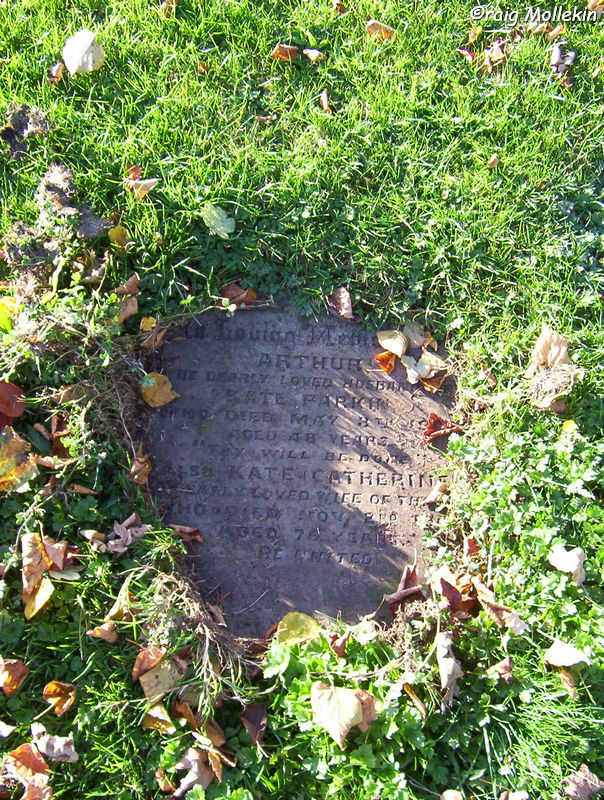
Arthur Parkin

Arthur Parkin is the husband of my third cousin, thrice removed (Catherine Loukes). Below is the newspaper article published shortly after his death with details of how he demised.

YORKSHIRE TELEGRAPH AND STAR, WEDNESDAY EVENING, MAY 10, 1916.

NO WITNESSES OF CARTER’S FATAL ACCIDENT

St. Philips Road

In lieu of direct evidence supposition had largely to be reported to at the inquest at the Sheffield Coroner’s Court to-day on the body of Arthur Parkin (48), of 70, Milton Street, a Corporation carter, whose death took place in curious circumstances. From the statements it had been found possible to collect, it appeared that the man, who was a carter in the Cleansing Department, was discovered lying in a pool of blood, suffering from terrible internal injuries, and the theories on which the jury based its verdict of “Accidental Death” were that the man, whilst applying the brakes before proceeding down a hill with his waggon, had been caught by the wheel and run over.

Arthur’s grave

A fellow-workman said that when he left Parkin at 2.45 a.m. he was all right, and was leading his horse and waggon, loaded with nightsoil, up Thomas Street, on his way to the destructor on Penistone Road. Henry Crouch, a Corporation street sweeper, found the body of Parkin in St. Phillip’s Road lying in a pool of blood, but could form no opinion as to what had happened. He made the discovery as day was breaking, and the horse and cart were nowhere to be seen.

Some time later, said another Corporation employee, he found the horse and cart of which the deceased had been in charge near the destructor in Penistone Road. The brakes were hard on, and the horse was pulling up the hill “as though it had gone mad.” In his opinion Parkin had been caught by the wheel whilst applying the brake in St. Phillip’s Road.

Dr. Mowat, of the Royal Infirmary, described the terrible injuries of the man when he was admitted to the institution. All the ribs on the right side were broken, there was a wound reaching down to the bone underneath the chin, and bruises on the chest and head. There were also severe internal injuries.

At the conclusion of the inquest, Mr. E. B. Gibson, who represented the Corporation, expressed the sympathy of the Cleansing Department with the relatives of the dead man. He was a good, honest workman, and the department were very sorry to hear of his death.

Death of Mary Ann Marsden (nee Pinder)

Leeds Infirmary

Leeds Infirmary

Mary Ann Pinder is my second great aunt. She was born in 1855 to parents, Thomas Pinder and Mary Shackleton.

In July 2009 after meeting a distant cousin, I learnt that Mary had died as a result of a boiler explosion. Because Mary didn’t seem to reveal her true age on Census Returns, trying to find a corresponding death entry was difficult. Mary married Sam Marsden in Rotherham in 1895 and below is a newspaper entry pertaining to her death.

THE YORKSHIRE POST. WEDNESDAY. April 16. 1913.

FIVE DEATHS AT AN INFIRMARY.

Five deaths at the Leeds Infirmary were investigated by the City Coroner (Mr. J. C. Malcolm) at the Town Hall yesterday.

Three of the cases were the results of burning accidents, and the victims were Harry Haigh Fern, two years of age, of 11, Parsonage View, Leeds; Reginald Fletcher, aged three years, of 1, Tennyson Street, Pudsey; and Mary Ann Marsden (48), wife of the caretaker at the Girls’ High School, Headingley Lane, Leeds. The clothing of the two children caught fire while they were playing with matches, and in the case of Mrs. Marsden her blouse was set alight at a gas stove. Verdicts of “Accidental death” were returned in each case.

Jas. Alderson, aged 10 years, of 7, Dalmeny Terrace, Rodley, fell a distance of seven and a half feet from a warehouse “landing” whilst at play on Saturday. He died from hemorrhage caused by the injuries. The jury agreed that the boy’s death was accidental. Frederick George Sales (53), out porter, of 4, Wharfedale Street, Leeds, died whilst under anaesthetic. The jury concurred with the doctor’s statement that an operation was necessary in consequence of internal injuries, and returned a verdict that death was due to misadventure.

Joseph Goodall and the Lund Hill mining disaster

Lundhill mining disaster

Lundhill mining disaster

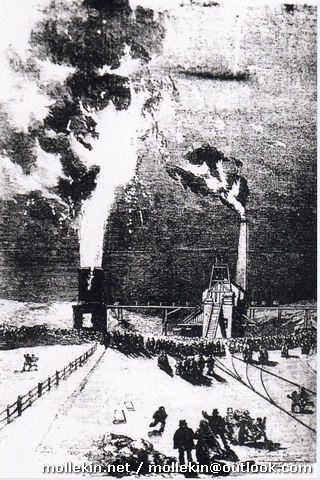
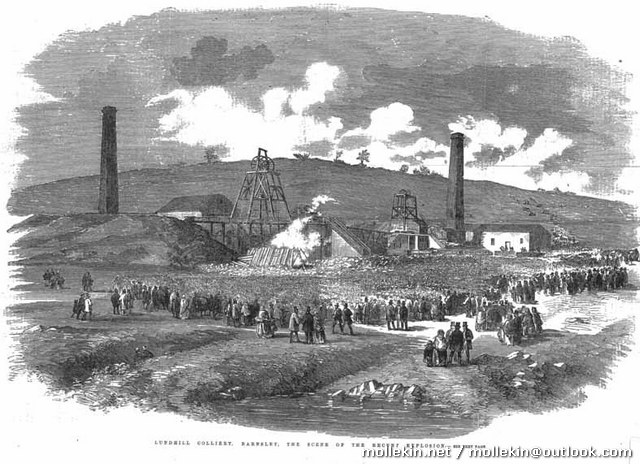
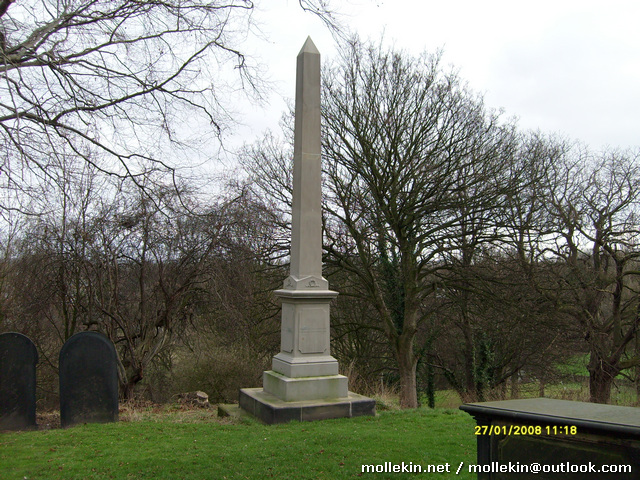
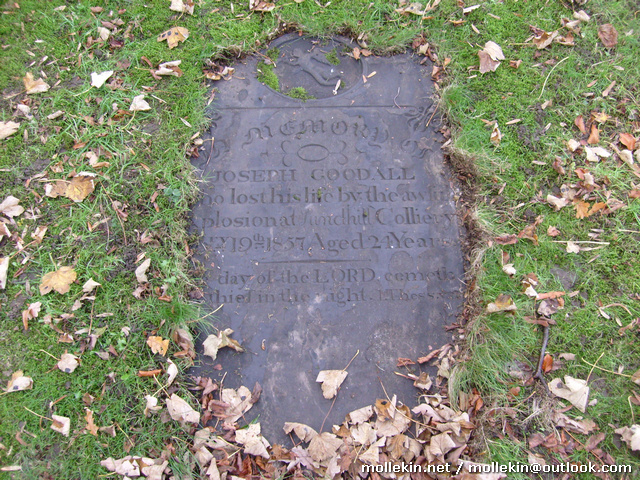
Joseph Goodall is my 4 x great uncle. On 27th February 1857, Joseph was killed in one of the worst mining accidents ever to occur when a fire-damp explosion ripped through the underground workings of the Lund Hill colliery, near Barnsley. 189 men and boys were killed. One family alone lost seven members. It took five months to recover Joseph’s body from the mine after which he was buried in Saint Thomas’s Churchyard in Gawber. Queen Victoria and Prince Albert donated £300 to the disaster fund which was subsequently set up. Below is a transcription of a newspaper article published shortly after the disaster.

DREADFUL COLLIERY ACCIDENT

Lundhill mining disaster

Lundhill mining disaster

It is our melancholy duty to record one of the most awful and fatal colliery accidents which has perhaps taken place in the history of coal mining in this country. The scene of this sad occurrence was at Lund Hill, near Hemingfield, about six miles from this place, and one from the Wombwell station on the South Yorkshire Railway, known as the Lund Hill Colliery, at present worked by a firm under the name of “The Lund Hill Coal Company”. The accident occurred about 12.15 a.m., on Thursday last. During the time that the banksmen and the above-ground workmen were at dinner, a loud explosion was heard, and almost at the same moment the corf and chair suspended in the drawing shaft were driven with extraordinary violence against the head gear of the shaft, by which the latter was considerably broken. The alarm spread immediately, and the most direful consequences of a terrific explosion were soon made evident to all. The cupola of the air shaft was rest asunder; and the volumes of fire and smoke which issued there-from depicted fear all around.

Lundhill disaster monument, Darfield

Lundhill disaster monument, Darfield

The workmen at hand immediately hastened to the spot, and under the superintendence of Mr. Coe, the viewer of the mine, proceeded to repair the head gear of the shaft, in order to render assistance to the workmen down in the mine. But in the mean time no person can describe the scene which speedily followed. As the alarm spread, the most fearful forebodings sat upon each countenance. Messengers were despatched for assistance in every direction to the neighbouring collieries, and in a very shot time the vicinity of the pit was alive with the most distressing and horror-stricken faces. The surgeons from Barnsley and the district were summoned or volunteered to render assistance to any of the men who might be got out. But before any of the unhappy beings who were at work in the mine could be got out, a large concourse of the wives, children, and relatives of those in the mine were gathered round the pit hill, and the most appalling and heart-rending sight was presented. The despairing shrieks of the women and children, and the fear which sat upon the faces of all assembled cannot be here adequately described.

Saint Thomas the Apostle, Gawber

Saint Thomas the Apostle

Joseph Goodall's grave

Joseph Goodall’s grave

The number of persons who descended the shaft in the morning would be about 180, including men and boys; and from the above-ground appearances, those experienced in mining expressed but faint hopes for the lives of those below, The utmost efforts were, however, made to prepare for a descent into the mine, and many times were those persons attempting to gain an entrance drawn up and down the shaft before the chair could descend to the bottom. The effort being at last successful, they, however, only succeeded in rescuing about 19 from the bottom of the shaft. Those men, being engaged in the dip workings, had rushed to the pit shaft on the first shock of the explosion; and, awful to relate, these 19, with about 12 persons who came out of the pit at dinner time, and just before the explosion took place, are all that are that saved out of the number who entered that morning. The sacrifice of life must therefore amount to near 150 persons who have thus met an untimely death, in this most fearful of all calamities which has yet befallen this mining district. The report of the disaster soon spread far and wide, and but few persons could at first believe the report circulated, so fabulous indeed did it appear. The owners of the colliery were telegraphed for, and messengers despatched to inform them of the awful tidings. Mr. (missing text) work to subdue the fire, but, at the hour of our account leaving on Friday the fire still continued, and the pit remained sealed up to stop the current of air which feeds the flame in the cupola shaft. On Friday the interest seemed only to increase, and thousands of persons assembled at the colliery. Many to satisfy themselves of the reality of the accident, and many more unhappily to bewail the fate of those buried in the dark abyss below. We shall endeavour, in our subsequent editions of the week’s paper, to present any further information which we can obtain relevant to this dreadful catastrophe.

H1N1

H1N1

H1N1

The 1918 flu pandemic (the H1N1 strain) that lasted between January 1918 and December 1920 infected 500 million people and killed up to 100 million. Unlike normal influenza, the 1918 strain generally affected healthy, younger people. This was due to their stronger immune systems overreacting. People would often contract pneumonia and die due to suffocation from their own secretions. It is interesting to note that the 1918 flu pandemic caused more deaths than the whole of World War One. It is thought to have originated at Camp Funston in Kansas, America in March 1918. Due to the infected troops living in close proximity to each other and because they travelled around the world, the deadly flu virus soon spread.

Fred Rowbottom

Fred Rowbottom - death certificate

Fred’s death certificate

My great grandfather, Fred Rowbottom, born in 1873 in Parkgate, Rotherham and husband of Frances Emily Brough, died from the 1918 flu virus. Fred caught it and his doctor told him to stay in his house, but he decided that the pub might make him feel better. He went out on a very cold night, contracted pneumonia and subsequently died. Fred is the son of Albert Rowbottom and Charlotte Yates

I know that at least 4 other members of my family tree died from this deadly virus. Below are a couple of newspaper articles regarding two families in my tree that suffered. The first regards the death of my great great granduncle who was called William Henry Remmington and the second is regarding my first cousin, thrice removed (Bernard Vincent Early (son of Priscilla Walker Berry and Jesse Early)) and his family.

Remmington. W. H.

Remmington. W. H.

William H. Remmington

THE ADVERTISER. SATURDAY. JANUARY 11. 1919.

DEATH OF ONE OF THE ORIGINAL TERRITORIALS

A VICTIM TO INFLUENZA

Transport Driver W. Remington (1/5 York and Lancaster Reg.), son of Mr. and Mrs. Remington, of 9, The Crofts, Rotherham, who is reported to have died of pneumonia, following influenza, in France on December 20th last, was one of the original members of the 1/5 Batt. York and Lancaster Regt. (the local Territorials) which left England in April, 1915. He was 23 years of age, and joined the Army on the outbreak of the war. At the time of his illness he was on the point of being demobilised in order to return to work at the Silverwood Colliery.

36 - Moorgate Cemetery, Rotherham (Early) - 28.08.05 (1)

Early grave

THE ADVERTISER. SATURDAY. MARCH 8. 1919.

EARLY. – Bernard Vincent Early, aged 30, died at 6, Lister Street, on Thursday, Feb. 27, from influenza. Elizabeth Early, aged 31, wife of the above, who died on Friday, Feb 28. Cyril Early, aged 11 months, infant son of the above, died March 5.

The relatives of the above beg to thank the workmen of Messrs. Steel, Peech and Tozer Ltd. for their practical sympathy, the bearers who volunteered to carry the little family to the grave, and all friends for their expressions of grief in this sad event.

Frank Jarvis Pinder

Frank J. Pinder

Frank Jarvis Pinder is my first cousin, thrice removed and son of Alfred Henry Pinder.

Frank was born in 1877 and in 1903, he married Bertha Longdon.  Together, they issued two children, one of them being Alfred Henry Pinder.

Below is a newspaper article(s) published shortly after his death.

THE ADVERTISER, SAT., JAN. 19TH, 1963

OBITUARY

MR. F. J. PINDER

Mr. Frank Jarvis Pinder, of 33, Fitzwilliam Road, Rotherham, died on Tuesday at the home of his grand-daughter. He was 85.

Born in Masbro’ Street, Mr. Jarvis had lived in the Rotherham area all his life. He was employed as a brass finisher at Gummer’s Ltd., for more than 50 years, and retired when he was 82. Previously, he had worked in a similar capacity at Stone’s and Gumby’s, of Rotherham.

Mr. Pinder was a keen gardener, and was a former secretary of the St. Ann’s Gardens and Allotments Society. During World War I he served as secretary to the Rotherham Hospitals Potato Scheme. Singing was another of his interests.

Saint Stephen’s Church

He attended the St. Stephen’s Church, Eastwood, where he was a member of the Parochial Church Council, and had been a sidesman.

He leaves two sons, and a grand-daughter. His wife died more than 10 years ago. Cremation takes place to-day, at Rotherham after a service at St. Stephen’s Church, Eastwood.

PINDER. – Suddenly, on January 15th, at his grand-daughter’s residence, 21, Vernon Road. Frank Jarvis, aged 85 years, of 33, Fitzwilliam Road, a dear father and grandad. Service at St. Stephen’s Church, to-day (Saturday), 11 a.m., cremation, Herringthorpe, 11.30 a.m.

Leonard George Briggs

holy-trinity-church-dalton-16-03-08-4

Holy Trinity Church, Dalton

Leonard George Briggs, born in Rotherham, is my fourth cousin and son of George T. Briggs and Phyllis Brunt. Below is a newspaper article(s) published shortly after his death.

THE SOUTH YORKSHIRE AND ROTHERHAM ADVERTISER, SATURDAY, DECEMBER 17TH, 1966

GIFT FOR YOUTH PROJECT INSTEAD OF A WREATH

Neighbours of a 19-years old Rotherham youth, who died of cancer on Monday have started a collection for a project at the Dalton Parish Church Youth Club, an organisation which the youth, Leonard George Briggs, of 143, Herringthorpe Valley Road, East Herringthorpe, Rotherham, always supported.

The collection, which will probably be used to help to purchase a Land Rover for the youth club, was first intended to buy flowers for Leonard’s funeral yesterday, but his mother, Mrs. Phyllis Briggs, decided that the money would be far better spent buying something of lasting use to the youth club.

Doncaster Gate Hospital, Rotherham - 19.08.07 (4)

Rotherham Hospital

Mrs. Briggs told “The Advertiser” this week: “When the collection was first started among the neighbours, it was intended to buy a wreath for Leonard’s funeral, but after having a word with the Rev. Peter Challen, we decided that the money would be of far more use if it was put towards some youth project. As my son took a great deal of interest in the Dalton Parish Youth Club, it was thought that this would be the best place for the money”

Leonard, who died at his home, had been an Able Seaman with the Royal Navy, and developed cancer while abroad. In January of this year, he was discharged from the Royal Navy Hospital, Portsmouth, where he had been receiving treatment, and was admitted to the Rotherham Hospital, Doncaster Gate. In February, he was allowed home, but after a short time was taken to the Sheffield Royal Infirmary.

VERY HAPPY

After two weeks, Leonard was once again allowed home, where he spent most of his time practising for the driving test which he had hoped to take next year: “We never told him the nature of his illness as we did not want to worry him unduly. In fact, right to the end he was very happy and had even made plans for a camping holiday in Scotland next year”.

East Herringthorpe Cemetery, Rotherham - 29.12.15

Rotherham Crematorium

Leonard received an honourable discharge from the Navy in September, along with a report of his excellent character and the Borneo Star for fighting in Vietnam and Singapore.

He was educated at the High Greave Primary School and Spurley Hey Secondary School. He was also a member of the Eastwood View Working Men’s Club. He leaves his mother, father, two brothers and two sisters.

Cremation took place at Rotherham yesterday, following a service at the Dalton Parish Church, conducted by the Rev. P. Challen.

BRIGGS. – Leonard George, aged 19 years: ex-Royal Navy, eldest son of George and Phyllis Briggs (nee Brunt), and beloved brother of Lynn, Gerald, Carol and David; passed peacefully away after much suffering, December 12th.

Reunited with Grandma and Aunty Dot.

Beautiful memories woven in gold. This is the memory we tenderly hold.

BRIGGS. – Leonard, aged 19 years, passed peacefully away after much suffering, December 12th at home, 134, Valley Road. Beloved nephew of Margaret and Lol, and a beloved grandson of George and the late Dolly.

BRIGGS. – Leonard George, beloved nephew of Nora and George, dear cousin of Steven and Philip.

BRIGGS. – Leonard George.

Never to be forgotten.

Grandad and Grandma Brunt.

George Herbert Mollekin

George H. Mollekin

George H. Mollekin

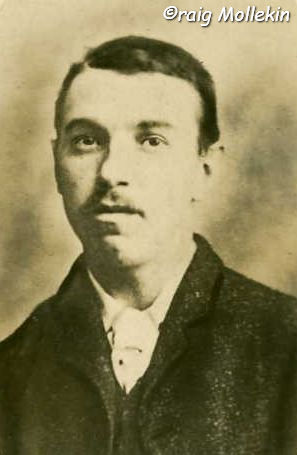
George Herbert Mollekin, born in 1889 in Hull, is my first cousin, twice removed and son of Herbert Mollekin.

Bert marred twice, firstly to Mary Allison who died suddenly in 1952 and secondly, to Daisy’s friend, Dulcie Wild, in 1953.

Bert issued one child, called, Herbert Randal Mollekin.

Below are a couple of newspaper articles published shortly after Bert’s death.

THE ADVERTISER, FRI., MAR. 6TH, 1970

DEATH OF MR. G. H. MOLLEKIN

The death occurred recently at his home, of Mr. George Herbert Mollekin, of 16, Harvest Road, Wickersley. He was 80, and a former building contractor.

For most of his working life, Mr. Mollekin was associated with the Maltby firm of C. Mollekin Ltd. He began work at the firm with his father, and after his death, Mr. Mollekin and his brother, Mr. E. Mollekin, took control of the business for a number of years.

Mr. Mollekin spent most of his life in Maltby and had lived in Wickersley for about three years. During his younger days he was a keen sportsman.

He leaves a widow. Cremation took place last Saturday at Rotherham following a service conducted by Cannon W. Sorby Briggs.

MOLLEKIN. – On February 25th, George Herbert, the beloved husband of Dulcie Mollekin, passed away at his home, 16, Harvest Road, Wickersley. Service and cremation was at Rotherham Crematorium, Saturday, February 28th.

Suzanne Jarvis

rotherham-general-hospital-09-05-15-3

Rotherham General Hospital

Suzanne Jarvis is my fourth cousin, once removed and daughter of Leslie Jarvis and Elsie Breckin.  Below is a newspaper article published shortly after an inquest into her tragic death.

THE ADVERTISER, FRI. MAY 25TH, 1984

HORSE FALL GIRL HAD BLOOD CLOT IN HER HEART

A contraceptive pill could have contributed to the death of a 21 years-old girl who died almost a month after being thrown from a horse, a Rotherham inquest heard this week.

Suzanne Jarvis, of Simmonite Road, Kimberworth Park, died in Rotherham District General Hospital from a blood clot in her heart.

At the time, doctors were finally winning their battle to heal the injuries she sustained in the riding accident, revealed Dr David Slater, the consultant pathologist at the Royal Hallamshire Hospital.

Suzanne was thrown from her horse on January 7th, while she and her friend, 17 years-old Julie Hatfield, were exercising two horses from a riding stables on West Bawtry Road, where Julie was on a youth training scheme.

As the girls rode towards Whiston traffic lights, Suzanne’s horse started to shy as an articulated lorry went by.

Suzanne, who was leading the way, was thrown into the road after the horse fell down on its right side.

Julie said that the horse had turned 180 degrees while shying, but added that she hadn’t seen exactly what had happened next because she was struggling to keep her own horse under control.

Delivery driver Mr Anthony Doddy, who was following the lorry up the hill told the inquest the lorry was going very slowly and was not particularly close to the kerb.

He remembered seeing a horse’s tail and looking in to his rear mirror to see if he could pull out because he knew there was something ahead in the road.

“As I got nearer, I saw the girl lying in the road and I had to swerve to avoid her”, he said.

Lorry driver Mr Graham Kelly said the horse could have been frightened by the noise the engine of his lorry, which was carrying six tonnes of red dust for BSC.

“The lorry was making a lot of noise, but I didn’t expect it to disturb the horses. As I drew level with the first one, I saw its head go back and, when I looked in my near-side mirror, I saw the rear of the horse come close to the trailer, so I stopped further up to find out what exactly had happened”, he said.

Forensic tests showed that there was blue paint on some of Suzanne’s clothes and footwear which matched that from the near side mudguard of the lorry. But no traces were found on the saddle or on the horse, which suffered only slight scratches and lacerations, which were thought to have been caused when it struggled to its feet.

When Suzanne was admitted to the accident emergency unit at the the District Hospital, she was found to be suffering from multiple injuries.

Consultant orthopaedic surgeon, Mr Patrit Majumdar told the inquest she had fractured pelvis bones which were causing a pelvic haemorrhage. Because of this he didn’t prescribe anti coagulant therapy – treatment which would have helped to prevent blood clots from forming.

“If I had given her this treatment during the first week after the accident she would have died within 48 hours from a massive internal haemorrhage” he said.

“We had to weigh the risks” he added.

The day Suzanne died she was visited by two plastic surgeons from the Royal Hallamshire Hospital, who were to perform skin grafts on her legs.

She had to have operations on her legs to remove skin which had died through lack of blood, explained Mr Majumdar.

Another doctor told how impressed they were with the treatment Suzanne was receiving.

The court heard that Suzanne died at 11pm, after a major disturbance in her heart.

Consultant pathologist Dr David Slater said “It was probably the immobilisation which caused the deep veined thrombosis from which she died but with her type of injuries immobilisation was inevitable.”

“There is a small but significant risk of clots to any woman on the contraceptive pill – as was Suzanne”, he added. “It is unlikely that this was the cause f her clots, but it was an initiating factor.”

He added that thrombosis could set in despite the greatest medical care and attention.

The horse which Suzanne was riding was a seven years-old gelding which had been lodged at the stables for three months.

Its owner, Christine Griffiths, of Sheffield, explained that she had frequently exercised it on the same route. It had never showed signs of shying.

The inquest also heard that Suzanne was a proficient horse rider, who was studying to become an instructress.

Coroner Mr Kenneth Potter recorded a verdict of accidental death.