Presentation at Rotherstoke, Rotherham

rotherstoke-rotherham-circa-1925

Rotherstoke

Ada Rowbottom, nee Harrison, is the wife of my great grand uncle, David Rowbottom.

Ada spent the last nine years of her life living in ‘Rotherstoke’, which was a care home for the elderly.

Rotherstoke was a large house built on Moorgate Road, Rotherham, by the industrialist, George Haywood, in the 19th century. George was a partner in Yates, Haywood and Co. Ironfounders, of Effingham Works, Rotherham.

Yates and Haywood, Rotherham - 28.05.09 (8)

Effingham Works

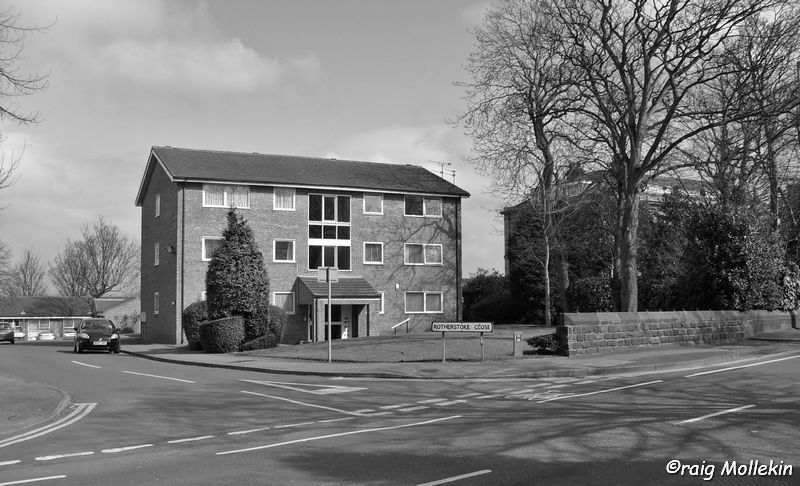
Rotherstoke was demolished circa 1980s and residential accommodation was built on the site.

Below is a newspaper article pertaining to Ada’s time living in Rotherstoke.

THE ADVERTISER, SAT., APRIL 2nd, 1955

Site of Rotherstoke, Moorgate, Rotherham - 03.04.08 (3)

Site of Rotherstoke in 2008

Presentation at “Rotherstoke”

Mrs. Ada Rowbotham, one of the first residents at “Rotherstoke,” Moorgate, Rotherham, presented a clock to the matron and superintendent, Mr. and Mrs. A. V. Hall, at a ceremony attended by the residents and staff on Tuesday.

The presentation was made on behalf of those in residence at the home in recognition of Mr. and Mrs. Hall’s services during the five years since “Rotherstoke” was opened.

Owing to the failing health of Mrs. Hall, they have had to resign from their respective positions, but they will still reside in Rotherham.

Plant Hotel, Swinton

Plant, Mexborough

Plant Hotel, Mexborough

This early 20th century public house closed for business early in 2011. It took its name from the nearby railway plant and at the time of its construction, was in the Roman Terrace (Wath Road) area of Swinton (now Mexborough). It was demolished in 2013 and in the Spring of 2013, a Farmfoods retail outlet was built on the site.

Landlords have included:-

?

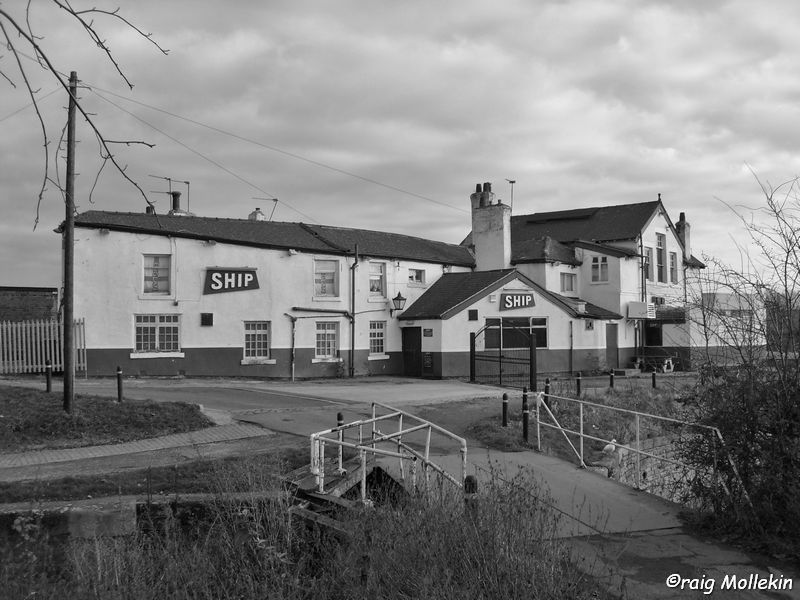
Ship Inn, Swinton

Ship Inn, Swinton

Ship Inn, Swinton

This mid 18th century public house was built in the shape of a ship, by Charles Simpson who was a barge builder in the adjacent canal basin. It closed for business in 2009 and was purchased by Rotherham Council in the same year. It was demolished in March 2012.

Landlords have included:-

Charles Simpson – 1800s
Brett Jones – ? to 2009

Other notable members of staff include:-

Gary Atkinson (Bouncer)

Church Hall, Swinton

church-hall-swinton-13-05-12-9

Swinton’s Church Hall

When Saint Margaret’s Church was erected in 1816, Swinton’s Norman chapel of ease was demolished. In its place was built a Glebe House which in the early 19th century was converted into an infants’ school. A Glebe House is a church house provided for a member of the clergy.

In 1911, the above Glebe House was demolished and in 1913, Saint Margaret’s Church Hall was built in its place. Whilst preparing the land for the construction of the Church Hall, the remains of ten people were found. It is thought that they were victims of the Plague and had been buried in a mass grave. The remains were exhumed and interred in Saint Margaret’s Churchyard.

The Church Hall was, over the years, used for a number of different purposes. As well as serving the Church’s social functions, schoolchildren from the nearby Fitzwilliam School would eat their dinners and perform P.E. here. It was also used by social clubs, such as Swinton’s badminton club.

As of November 2017, the Church Hall is surplus to the requirements of Saint Margaret’s Church and is up for sale.

Parish Church Wedding

Paul G. Little & Elaine M. Shadwick - All Saints' Church, Rotherham - 31.08.1968

Paul G. Little & Elaine M. Shadwick

Elaine Margaret Shadwick, born circa 1947 in the Rotherham area, is my fifth cousin and daughter of Arnold Albert Shadwick and Lilian Louvain Easthope.

Below is a newspaper article published shortly after Elaine’s marriage to Paul Granville Little.

THE ADVERTISER, SAT., SEPT. 7th, 1968

PARISH CHURCH WEDDING

The marriage took place at Rotherham Parish Church last Saturday of Miss Elaine Margaret Shadwick, only daughter of Mr. and Mrs. A. A. Shadwick, of 9, Richard Road, Rotherham, and Mr. Paul Granville Little, second son of Mr. and Mrs. J. R. Little, of 12, Far Lane, Rotherham. The service was conducted by the Rev. E. Duckett, and the organist was Mr. W. Shepherd.

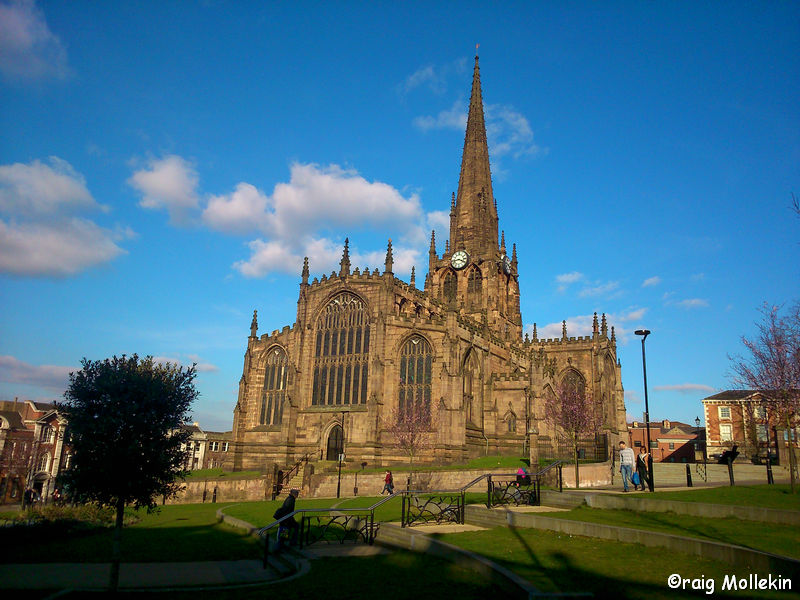
All Saints' Church (Minster), Rotherham - 10.03.14 (2)

All Saints’ Church

Given away by her father, the bride wore a full-length white crystal satin dress with front panel embroidered with white and silver flowers, and a long cathedral train. Her three tier bouffant veil was held in place by a bomb shaped flowered head-dress, and she carried a bouquet of shaded pink roses, white roses and white stephanotis.

She was attended by Misses Petra and Tracy Little (bridegroom’s nieces), who wore long deep pink crystal satin dresses, trimmed with pale pink satin, and head-dresses of pale pink satin hair bands, with white stephanotis and pink rosebuds in their hair. They carried balls of white carnations and pink roses.

steel-peach-and-tozer-from-blackburn-meadows-rotherham-07-10-07-4

Steel, Peach and Tozer from Blackburn Meadows

The best man was Mr. Rex Driffill, the groomsmen were Mr. Graham Bunce and Mr. Michael Hughes, and the ushers were Mr. Dennis Easthope and Mr. Anthony Pingree.

Many gifts were received by the couple from the various departments of Steel, Peech and Tozer, where the bride is a typist, and from the Don Side Auto Garage, where the bridegroom is the manager, and from the Rosedale Garage at Rawmarsh, its associated garage.

Rotherham Cooperative Society - 03.06.07 (1)

Cooperative Society

A reception, for 80 guests, was held at the Rotherham Co-operative Restaurant. The bride’s mother wore an oyster silk brocade dress and brown stole, and coffee coloured chiffon and brown net hat, with brown accessories. The bridegroom’s mother was dressed in a brown silk brocade dress and coat trimmed with cream mink, and blue chiffon hat, with cream coloured accessories.

The honeymoon is being spent in Wales, the bride travelling in a pink and grey dress and coat, with french navy accessories.

The bride and bridegroom’s future place of residence is 92, Newman Road, Grange Estate, Rotherham.

The Rotherham Steel Strip Company

William Charles at Wyvenhoe, Rotherham (Copyright Ros Templeman)

William Charles

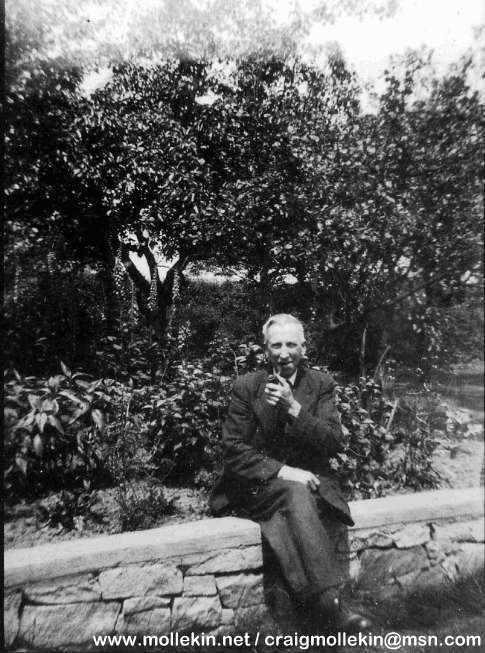
William Charles, born in 1880 in Masbrough, Rotherham, married my second great aunt, Winifred Pinder, in 1908.

William co-founded both the Rotherham Steel Strip Company and the Rother Boiler Company.

Below are a couple of articles pertaining to the Rotherham Steel Strip Company.

The 1937 Rotherham and District Annual

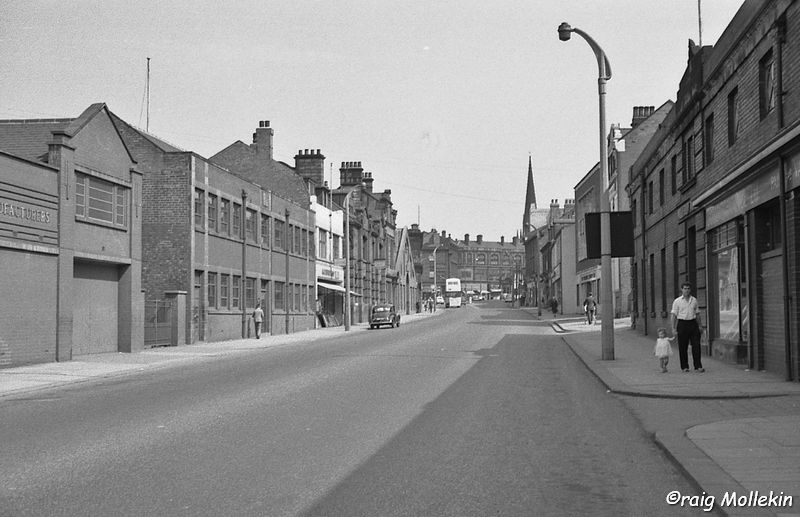
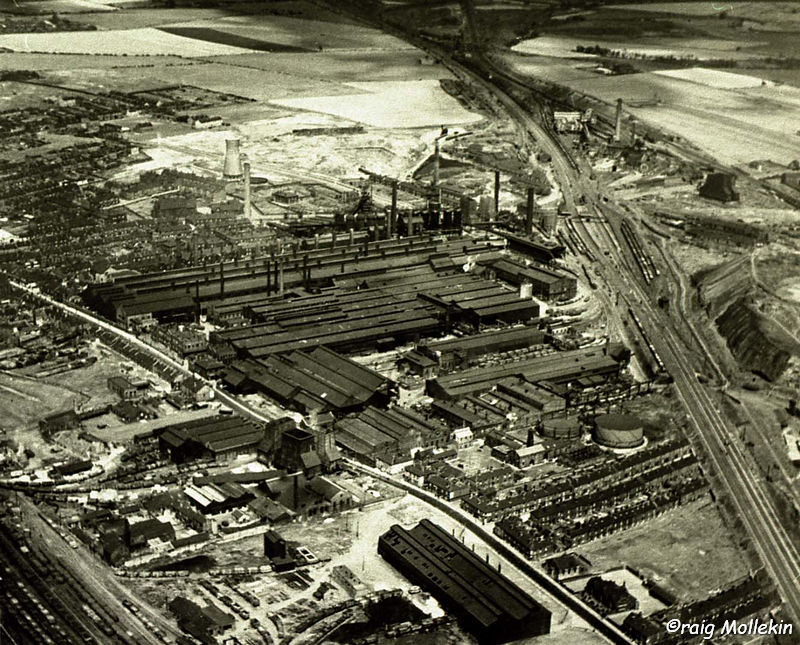
The Rotherham Steel Strip Co., Ltd., are manufacturers of cold rolled steel strip, and they works are at Westgate, Rotherham. The firm bought the Baths Foundry, which had been standing idle many years, and installed a cold rolling mill, work commencing in January, 1917.
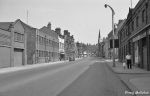
Rotherham Steel Strip Company Limited, Westgate, Rotherham

Rotherham Steel Strip Company Limited (left-hand side)

The business was founded by Mr. John Beever, the late Mr. Arthur Beever, Mr. Alfred Charles, and Mr. William Charles. Mr. John Beever and the late Mr. Arthur Beever had had experience in this trade during the whole of their lives, and saw it grow from very small beginnings. For many years they were managers of a local cold rolling mill.

The members of the firm are all local men hailing from the Kimberworth district. From the commencement to December, 1920, things went very slowly, but in January, 1921, Mr. Beever gathered together several men who had worked with him before and who were fully experienced, and began to extend. There are now 24 pairs of cold rolls, six annealing furnaces, and ten slitting and pairing machine, and 160 men are employed.
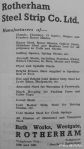
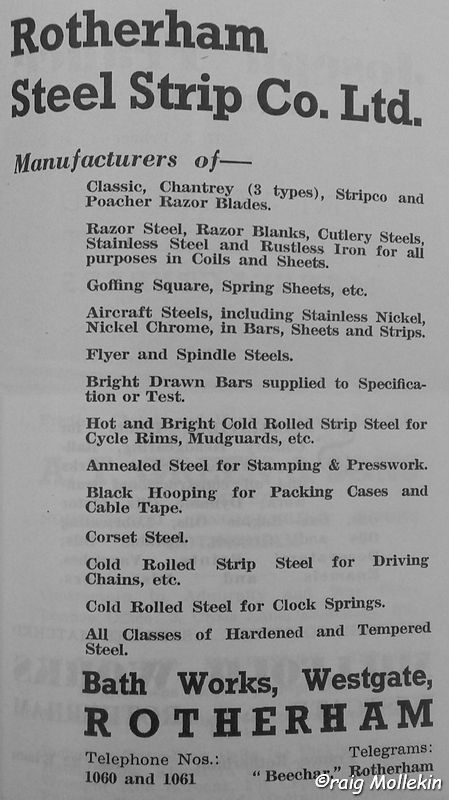
Rotherham Steel Strip Company (advert)

Rotherham Steel Strip Company (advert)

The firm are doing a large business with the cycle and motor trades, and can keep the present mills in employment. There is room to extend, and as trade improves, more plant will be installed and the output increased. The present capacity of the works is about 200 tons per week.

The firm’s specialities are bright cold rolled strip steel for cycle rims, mudguards, etc., annealed steel for stamping and presswork, black hooping for packing cases and cable tape, corset steel, cold rolled strip steel for driving chains, etc., cold rolled steel for clock springs, and all classes of hardened and tempered steel; stainless steel, rustless iron, cutlery steel, goffing square, aircraft steel, including stainless, nickel, nickel chrome, in bars, sheets, and strips, flyer and spindle steel, and razor steel strip.

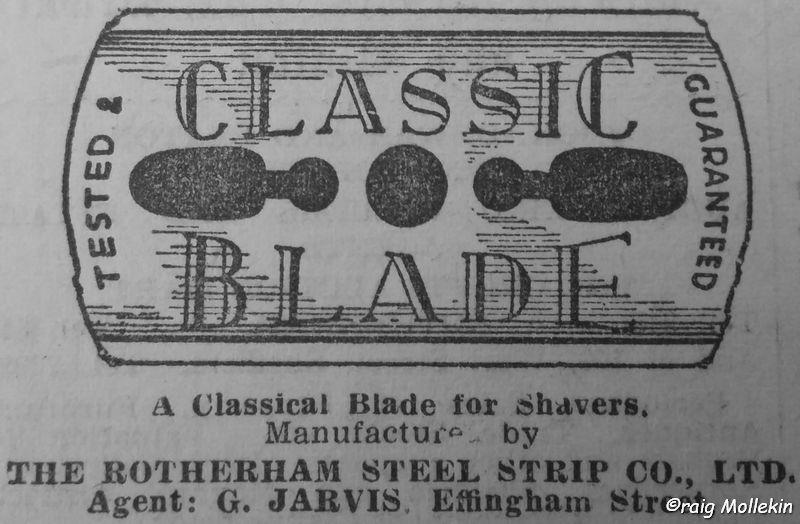
The firm have now installed plant for the manufacture of safety razor blades, and have one of the most up to date factories in the country. All the firm’s blades are manufactured at their works from the billet to the finished blade and from guaranteed Sheffield steel. They make blades to fit all types of holders at popular prices.

Rotherham Steel Strip Classic Blade - George Jarvis - 1937

Rotherham Steel Strip Classic Blade – 1937

THE ADVERTISER, SATURDAY, NOVEMBER 24, 1923.

LOCAL WORKS FIRE.

DAMAGE ESTIMATED AT £5000.

It is estimated that £5000 damage was caused on Saturday night by a fire at the works occupied by the Rotherham Steel Strip Company Ltd., and the Rother Boiler Company, Ltd., Baths Foundry, Westgate, Rotherham.

After receiving the call at 8.35 p.m., the Corporation Fire Brigade, under Sergt. Briddon, found on their arrival that a two-storey building at the bottom of the yard was blazing fiercely, the roof being in jeopardy. Four jets from the street mains were directed on to the blazing building, and the fire was got under control in about half an hour.

It is fortunate that the flames were prevented from spreading to the adjoining shops, among which are oil and paint stores belonging to another firm.
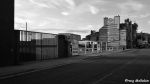
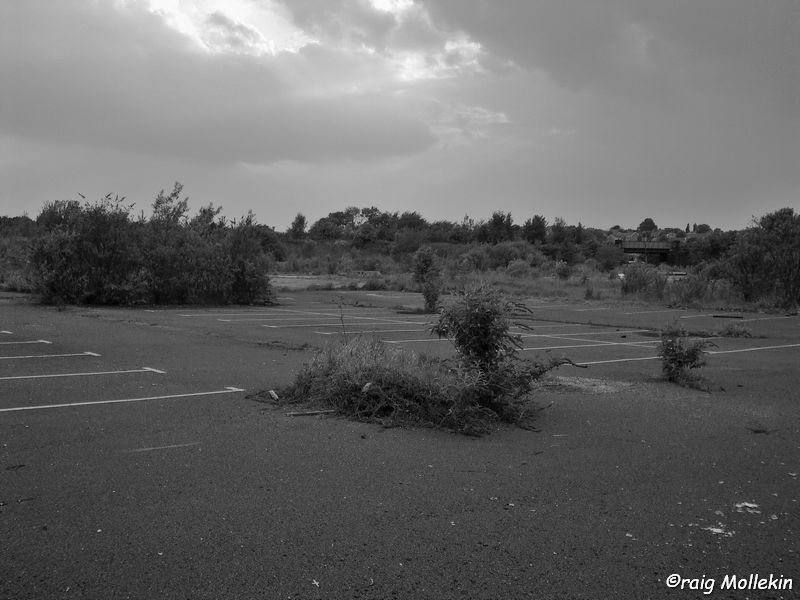
Rotherham Steel Strip Company Limited (site of), Westgate, Rotherham - 14.09.17

Rotherham Steel Strip Company Limited (site of)

The manufacture of steel strips was carried on on the ground floor of the works involved, and the rooms above were devoted to boiler making in copper, etc. Damage was done to the plant and machinery, and about 20 men will be temporarily thrown out of employment.

It is thought that a defective flue was the cause of the outbreak.

In another part of the same works on Saturday morning a slight fire was caused by a quantity of oil becoming alight near a furnace.

The same evening the severing of a 2.5 inch gas main caused considerable trouble, a big blaze having to be dealt with before the supply could be cut off.

Medieval Public House, Swinton

Chapel Hill, Swinton

Chapel Hill, Swinton

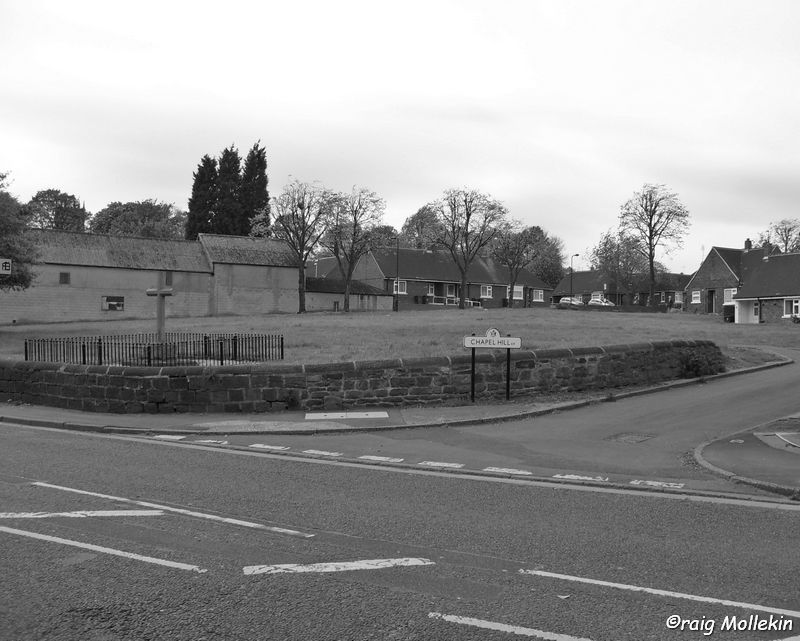
This ancient public house was situated close to the Norman Chapel, at Chapel Hill, and is perhaps the oldest of all Swinton’s inns which dated back to the medieval times.

Francis Burton

moorgate-hospital-rotherham-1

Moorgate Hospital

Francis Burton, born in 1906 in Rotherham, is my second cousin, twice removed and son of Francis Burton and Sarah Ann Hudson Sturman.

In 1933, Francis married Marjorie Brothwell.

Below are newspaper articles published shortly after Francis’s death.

THE ADVERTISER, SAT., JAN. 10th, 1970

parkgate-iron-steel-company

Parkgate Iron & Steel Company

BURTON. – At Moorgate General Hospital, Francis, aged 63, dearly loved husband of Marjorie (nee Brothwell), of 48, Toll Bar Road, Brecks, brother of Leonard, Edith and Elizabeth. Service and cremation at Rotherham Crematorium, Monday, January 12th, 2 p.m.

THE ADVERTISER, SAT., JAN. 17th, 1970

Mr. Francis Burton, of 48, Toll Bar, Road, Brecks, died recently at Moorgate General Hospital, Rotherham. He was 67, was born at Rotherham, and had lived at the Brecks for 36 years.

Hare and Hounds, Rotherham

Hare and Hounds, Rotherham

Mr. Burton was employed by the Park Gate Iron and Steel Co. Ltd, for 39 years in the open hearth department, and he was a sample passer when he retired two years ago.

In his younger days, he played football for the Hare and Hounds, and cricket for Greasbro’, Brecks, Scholes, and inter-keen supporter of Rotherham United.

Mr. Burton leaves a widow.

Cremation took place at Rotherham on Monday, a service being conducted by his nephew, the Rev. Paul D. Brothwell. The mourners were Mrs. M. Burton (widow), Mr. and Mrs. L. Burton (brother and sister-in-law), Miss E. Burton, Mrs. T. Miller (sisters), Mr. S. Brothwell (also representing Mrs. K. Brothwell), Mr. and Mrs. J. L. Brothwell (brothers-in-law and sisters-in-law), Mr. C. Brothwell, Mr. J. Brothwell (nephews), Mr. L. Jarvis, Mr. and Mrs. H. Wigley, Mr. D. Wigley, Mr. and Mrs. P. Wigley, Mrs. F. Webb, Mr. G. Webb, Mrs. D. Tonks, Mrs. J. Bealey, Mr. W. Thompson, Mr. H. Hopewell, Mr. and Mrs. M. Jelfs, Mr. and Mrs. H. Hinchcliffe, Mr. and Mrs. G. Mousley (cousins), Mr. and Mrs. S. Batty, Mr. L. Tupling, Mrs. J. Allot, Mr. and Mrs. T. Bunclark, Mrs. B. Monks, Mr. and Mrs. R. Stuttard, Mrs. M. Tupling (also representing Mr. P. Tupling), Mr. T. Wood, Mr. and Mrs. G. Hardy, Mr. E. Law (friends), Mr. W. Hawke and Mr. S. Wesson and other representatives of the Park Gate Iron and Steel Works and friends.

Rotherham United Football Club - 29.05.09 (11)

Rotherham United

Thanks

BURTON. – Mrs. M. Burton thanks relatives, friends and neighbours for their kind expressions of sympathy and flowers, doctors and staff at Moorgate General Hospital, management, staff and friends of Francis at Park Gate Iron and Steel Co., Ltd., union officials of B.I.S.A.K.T.A., and the Rotherham Co-operative Society, grateful thanks to my nephew, the Rev. P. D. Brothwell, for his beautiful service and words of comfort.

Swinton Chemical Works Explosion

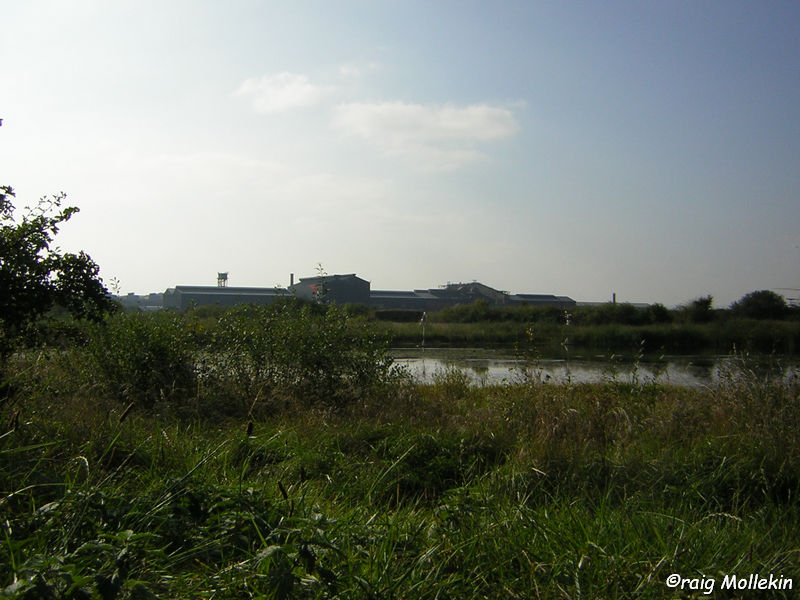
Former Croda, Kilnhurst

Former Croda Site

SHEFFIELD AND ROTHERHAM INDEPENDENT, MONDAY, OCTOBER 13, 1890

EXPLOSION AT THE SWINTON CHEMICAL WORKS.

EXCITING SCENES.

Early on Saturday morning the unusual sound of the fire bell was heard at Mexbro’. It transpired that an explosion had occurred at the chemical works at Swinton, and that a great destruction of property had been the result. This was the third disaster at the works within a comparatively brief period. About a year ago a workman lost his life by the poisonous fumes emanating from one of the large vats in which he was working, and a mate was only “brought round” with great difficulty. Prior to this a quantity of the inflammable liquid became ignited, and considerable loss was sustained by the owners, Messrs. Ellison and Mitchell, who also carry on similar works at Cleckheaton. It appears that about ten minutes to eight on Saturday morning an employee named James Lawrence, of Doncaster, was on duty at the works. He had been firing up a still which was preparing about 3000 gallons of benzoline. One of the proprietors would have been engaged near the same spot in all probability had he not met with a slight accident to one of his feet the previous day. He had interrogated Lawrence just before the accident as to whether all was right, and received a reply in the affirmative. Suddenly, however, there was a terrific report with a simultaneous flash of fire, which appeared to envelope the whole premises. Before it was known what had happened, residents at Swinton and Kilnhurst had feared an explosion had occurred at the Thrybergh Hall Colliery, and the wildest rumours were afloat. The workman, Lawrence, considers himself fortunate that he was not killed on the spot. When the explosion occurred he was far from the still, and the concussion “carried” him several yards away. The flames caught him, and the partial disfigurement of his face is proof of the great danger he was in. It is remarkable that he was not more seriously injured. He was promptly removed to the hospital at Mexbro’, after previous treatment by Dr. M’Call, of Kilnhurst, and it is hoped he may soon recover the burns appearing to be only facial and superficial. He has sustained no internal injury, beyond the shock to the nervous system. Another workman named Joseph Lee was on the ground, but he escaped unscathed. As an illustration of the force of the explosion, the top of the still, constructed of half-inch boiler plates and said to weight seven or eight tons, was carried through the air some 50 or 60 yards, finally alighting in a large tank of water. In its flight it just missed a tall chimney, which thus escaped demolition. The masonry of the benzoline shed – containing ten large boilers, capable of containing 3000 of liquid each – collapsed with a great crash, while the flames were darting heavenwards. The mechanism which ensured the security of the boilers also gave way, and the flames then devoured the benzoline inside. The boilers were fortunately by no means full, but there was ample liquid to cause a startling conflagration, which lasted a long time, until the benzoline had all been devoured. There was no wind at the time, otherwise the consequences would have been much more disastrous. The width of the building was about 11 yards, and the length about 40 yards. When the members of the fire brigade arrived from Mexbro’, their endeavour was to save that portion of the works which had thus far escaped. Between 30 and 40 benzoline barrels were on the ground, and these were removed to a safe distance from the fire. Water was poured upon the contiguous property in as large volumes as possible, though at the first the jet appeared much inadequate for the purpose. The labours of the brigade were not only arduous, but dangerous, while they stood in the vicinity of the blazing building, which every now and again gave ominous cracks, as though the whole would collapse. But no one was hurt. Captain Humphries (who is surveyor to the Mexbro’ Local Board) had charge of the brigade. Amongst others who zealously assisted were Mr. H. A. Fenner, the company’s analyst, Mr. W. H. Mitchell, and Mr. J. C. Haller, surveyor to the Swinton Local Board. Large crowds assembled from Mexbro’, Swinton and Kilnhurst, having been attracted by the fire bell and the flames. The extent of the damage is at present a matter of speculation, though it is calculated to amount to £2000 or £3000. The loss will be only very partially met by insurance. The cause of the explosion is not definitely known, but it is surmised that the “worm” at the top of the still had become clogged, thus preventing the escape of steam from the benzoline, under which was the furnace.

Dale Brown Social Club, Swinton

Dale Brown Social Club, Swinton (site of) - 21.07.13

Site on the Dale Brown Social Club, Swinton

This club was connected to the Dale and Brown glass works that was located nearby. This club closed 1995/1996 and the snooker tables were sold to Bowbroom W.M.C. The club buildings have since been demolished. Football is still played on the sports ground which was connected to the club.